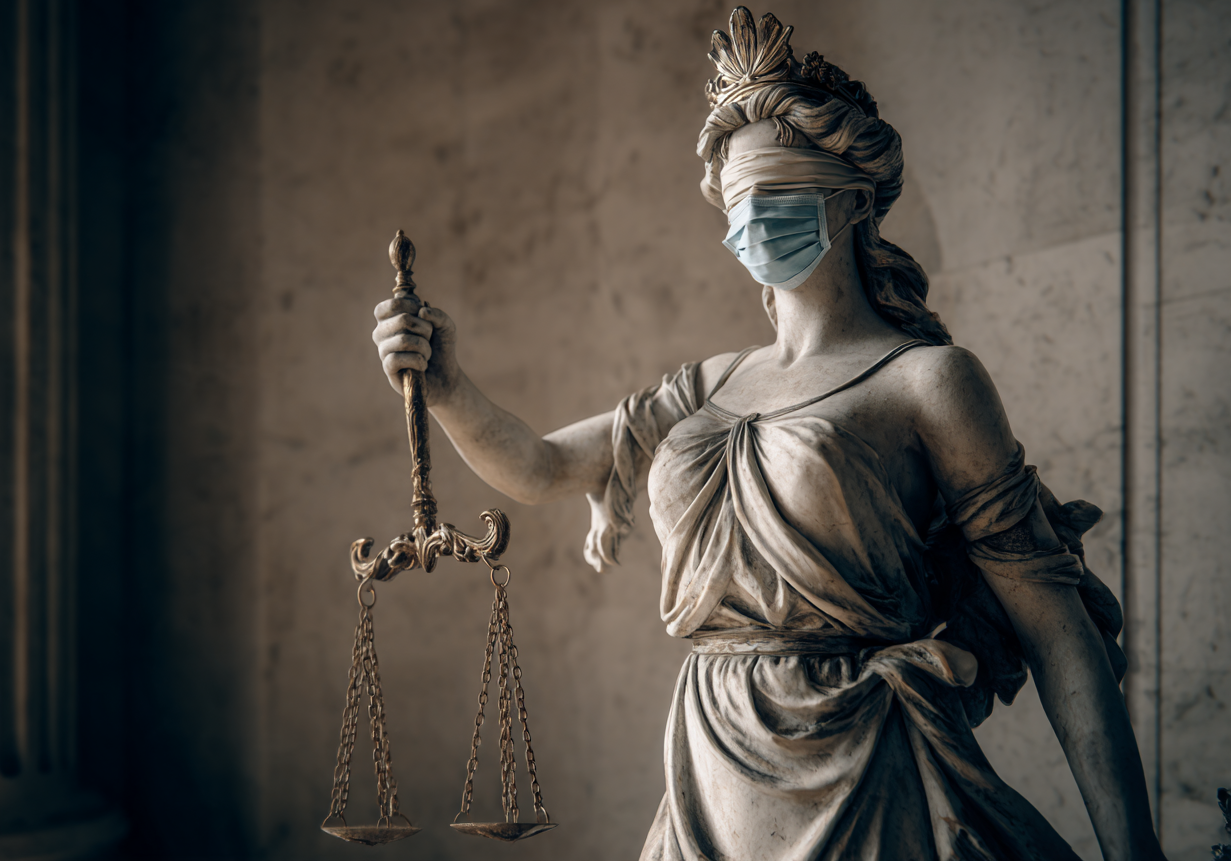
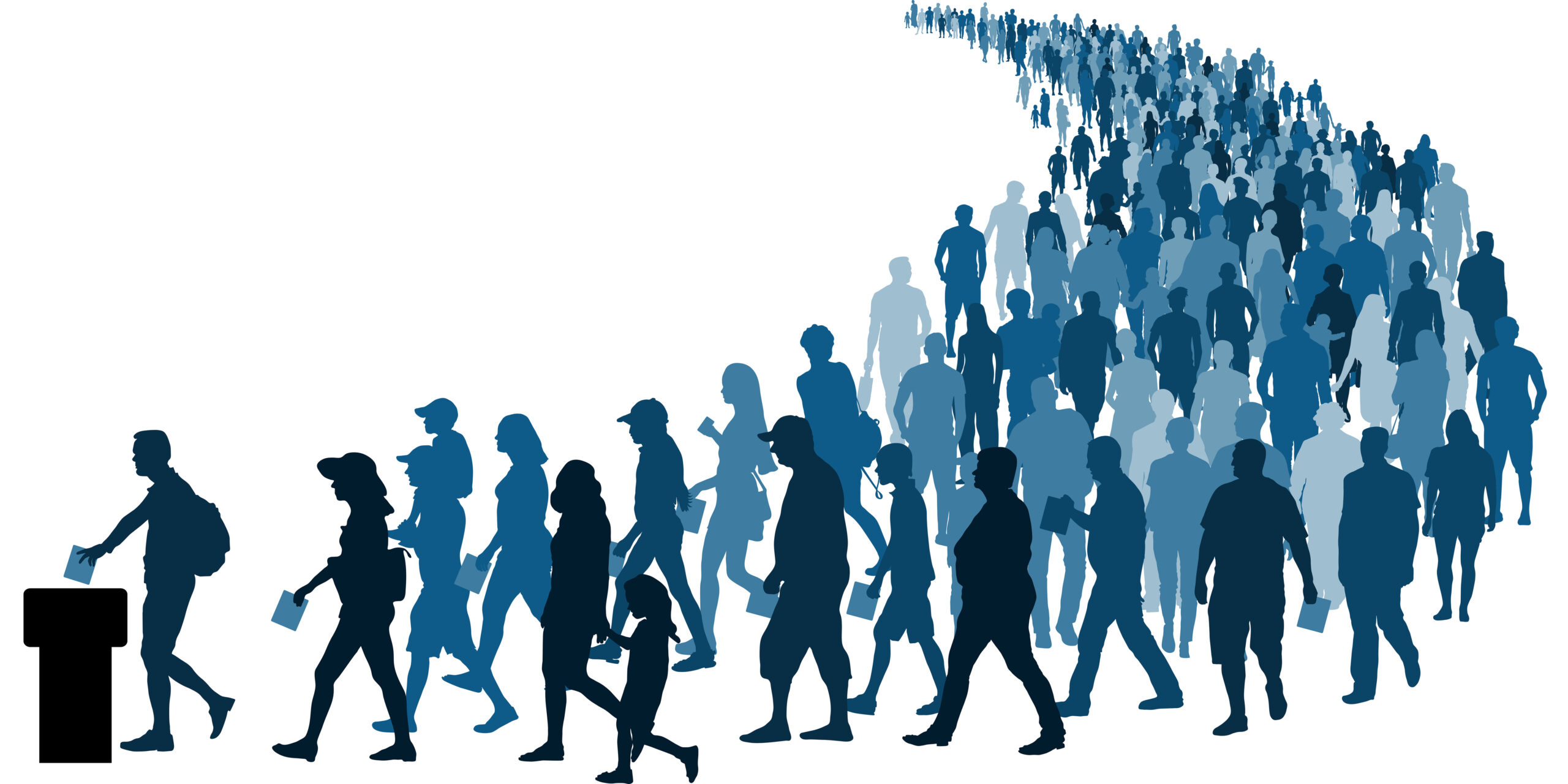
My dear friends, your vote is precious, almost sacred.
John Lewis, U.S. civil rights leader and longtime congressman
Your decisions affect where housing is built, what’s on store shelves, and how fast your internet is. After all, every few years, you march to the polls, mark a box, and history pivots. That’s what changes civilization and moves daily life, right?
Not so fast.
Voting does have an impact. But to change the world around you, a stronger lever sits in your pocket—one that doesn’t overpromise and underdeliver while wasting precious resources. Every day, you impact the world around you with your purchasing decisions.
Every rent check, grocery run, and coffee order has an impact on the world. Each choice to buy—or not—nudges the market. Budgets speak louder than slogans.
Each Action
With each tap, swipe, and checkout, you redirect factories, rewrite product roadmaps, and fund or defund new enterprises. Your choices shape resource allocation at the mom-and-pop shop down the street and at the multibillion-dollar corporation across the globe. Your vote arrives like a comet: bright, rare, symbolic.
In a democratic system, voters gather every few years to choose large policy bundles that may or may not be carried out as promised and may or may not produce the intended results.
In contrast, your market behavior flows like a river, changing its surroundings over time. In the market, you make specific choices, for or against goods and services, with or without certain features, at a given price.
If someone can fulfill your wishes at a lower price, they can jump into the race for your business at any time. With your next purchase, you decide whether their product or a rival’s is better. You decide which features matter most. You don’t need permission to leave—just switch.
Democracy—literally “rule by the people,” from the Greek demos (people) and kratos (rule)—isn’t particularly good at expressing individual wants. Markets allocate resources more effectively to meet individuals’ needs, urgent and otherwise. While democracy reacts to your wishes every few years, the market reacts by the second.
Miraculous Coordination
Humanity keeps relearning that markets are the best way to allocate resources. Every collectivist utopia that hands resource distribution to a central committee teaches the lesson again. And it’s a hard lesson indeed.
Wherever a central committee dictates trade, shortages and waste soon follow. At the same time, there is too little and too much. Resources aren’t allocated well for a simple reason: No decision maker can hold all the information needed to set prices and distribute goods. Prices are a real-time, crowdsourced computation of millions of local facts, processed by individual minds.
No single entity can know even an infinitesimal fraction of those facts at any moment. Worse, the facts shift from moment to moment. No technology can compute a complete, real-time allocation. Even if one could, we’d have no practical way to gather and input all the decentralized knowledge people hold.
When a natural disaster wipes out crops, when innovation heightens demand for a metal, or when a key supplier cuts output, prices rise. Buyers use products more efficiently, and new producers enter.
When a health scare spreads, when technology makes a product easier to manufacture, or when a viable substitute appears, prices fall. Buyers use more of the product, and would-be competitors invest elsewhere.
Root of Progress
Not only are markets the best way to distribute resources, they are the cornerstone of progress. In the past, when rulers left even a little room for individual choice, people invested and built the foundations of growth. If rulers had kept consuming every surplus their subjects produced, the remarkable advances of the past two millennia, culminating in the last two centuries, wouldn’t have happened. (For more on this theme, see Rodney Stark’s The Victory of Reason.)
What’s your political type?
Find out right now by taking The World’s Smallest Political Quiz.
Take the QuizThe free market enables progress through these features; as a participant, you influence each one:
- Knowledge becomes signals. Prices compress countless local facts into a single number that guides action. Every purchase you make updates those signals.
- Profit and loss create incentives. Not by decree but through voluntary exchange, they punish waste and reward solving real problems. Rising demand attracts capital; falling demand releases it. You’re part of that demand.
- Specialization and trade create abundance. You focus on your comparative advantage—on what you do best. You sell your labor or output, buy what others do better, and more is produced with the same inputs.
- Experimentation and selection enable the best ideas to win. Open entry, competition, and bankruptcy allow tiny seeds to grow into great trees. Winners scale up; losers free up resources for better uses. Your purchases help decide who wins and who loses.
In a democracy, you get to vote every few years, and the change you want may or may not happen. By contrast, your decisions impact the market—and change the flow of human society—every single day.
Making Decisions
Now you know how your purchases shape what gets made and how. You are part of a beautiful symphony.
If you want to make a conscious impact, stop buying from companies that don’t reflect your values. If enough customers walk away over ethics, a business will notice and either adjust or fail. Don’t complain; simply change your behavior to change the world.
If you see a problem many people share, take a shot at solving it. There might be an opportunity there. What starts as a side hustle may even become your main source of income.
Democracy, the rule of the people, is a system imposing the “will of the people” on every individual by force. That “will of the people” (actually just a majority or plurality of voters) is then carried out by a small number of politicians who claim to represent you. Or maybe it isn’t.
The free market, by contrast, lets you shape your surroundings every day. It works without force, directing resources where they most effectively and efficiently fulfill people’s wants. You spend your money on what matters most to you. Suppliers are incentivized to provide what is most valued, what has the most money behind it.
Micromanagement
Democracy is the loud room where we influence only a sliver of the world’s direction, and we do it the worst way: by force. You can argue that a little force is necessary to live together, but it must be minimal.
Don’t ask democracy to micromanage breakfast cereal, smartphone features, or the Tuesday shift schedule. Markets are the quiet network coordinating millions of tiny, honest choices and opinions to discover what works. The free market provides a more effective way to design what the world should look like.