I’ve often said that navigating healthcare is a full-contact sport. You get sick, and then what? Most people freeze, defer to the most expensive option by default, and end up paying for it in more ways than one.
All of this begs the question: what if the single most powerful thing you could do for your health and your wallet was simply to understand how the system works?
That's what I am sharing with you. Not policy nor politics but practical knowledge that puts you in the driver's seat, where you belong.
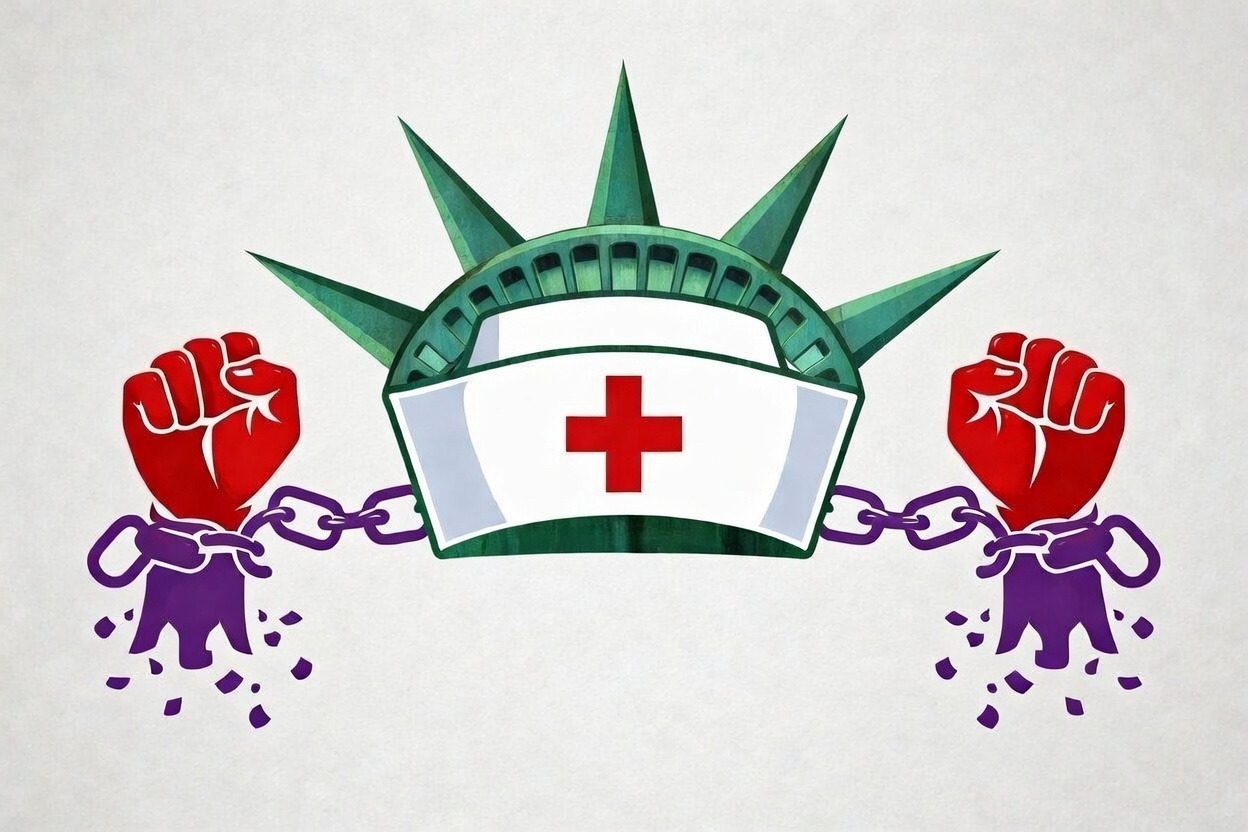
The broader argument here is worth stating plainly: the best healthcare system, for you as an individual, is one in which you call the shots. Not a government agency, not an insurance bureaucracy, not a hospital billing department, but you.
The market has unfortunately failed to give consumers real price transparency. Mandates and regulations have obscured real costs. Employers and insurers have intermediated the relationship between patient and provider in ways that strip out accountability. The result is a system that often works against the very people it is supposed to serve. The antidote is not more centralization. It is more you.
Start Where You Are: Prevention Is Leverage
If you're healthy, stay that way. Reduce your risk factors. Eat well, don't smoke, exercise consistently, manage stress, and keep your social connections strong. These are not platitudes; they are compounding investments in your most important asset.
The self-directed case for prevention is simple and has nothing to do with government mandates: your health is your property. Protecting it is an act of self-ownership. The choices you make about sleep, diet, movement, and stress management either add to your long-term capital or erode it. No insurance policy substitutes for that.
That being said, even if you do everything right, something may catch up with you. Prevention is leverage, and is not guaranteed. The goal is to reduce the odds and to be prepared when life fails to cooperate.
The Five Terms You Cannot Afford Not to Know
Before anything else, you need fluency in the language of your own insurance plan. These five terms are non-negotiable:
Premium: Your monthly cost for coverage, whether you use it or not.
Deductible: What you pay out of pocket before your insurance begins to cover costs.
Co-insurance: The percentage split between you and the insurer after your deductible is met. A typical arrangement is 80% insurer, 20% you.
Copay: A fixed dollar amount for a specific service, regardless of the total bill.
Annual Out-of-Pocket Maximum: The ceiling on what you will pay in a given year. Once you hit it, the insurer covers 100%. This figure typically runs between $3,000 and $8,000 for individuals, and roughly double that for families.
Know these numbers cold. They are the terms of your contract. Ignorance of them is expensive, and in a system that doesn't volunteer clarity, a lack of knowledge is what the system counts on.
Where You Fall on the Continuum
A useful frame: roughly 80% of people are reasonably healthy and incur minimal medical costs in a given year. About 19% have something going on that requires genuine care. The remaining 1% account for approximately 50% of all healthcare spending. Knowing where you sit on this continuum shapes every decision you make about coverage, savings, and care.
Healthcare is also one of the few goods you cannot effectively comparison shop in real time. Pricing is opaque by design. Your access to cost tools depends heavily on your insurance type: employer-based, ACA marketplace, Medicaid, Medicare, or uninsured. Each operates by a different set of rules, and your job is to know yours cold.
This opacity is not an accident. It is the predictable outcome of a system built on third-party payment, regulatory capture, and institutional incentives that reward volume over value. When you are not the one writing the check at the moment of care, the natural feedback loop between price, quality, and consumer choice is severed. Restoring that feedback loop, even partially, is what self-directed healthcare is fundamentally about.
The 2 a.m. Test: Avoiding the Most Expensive Door
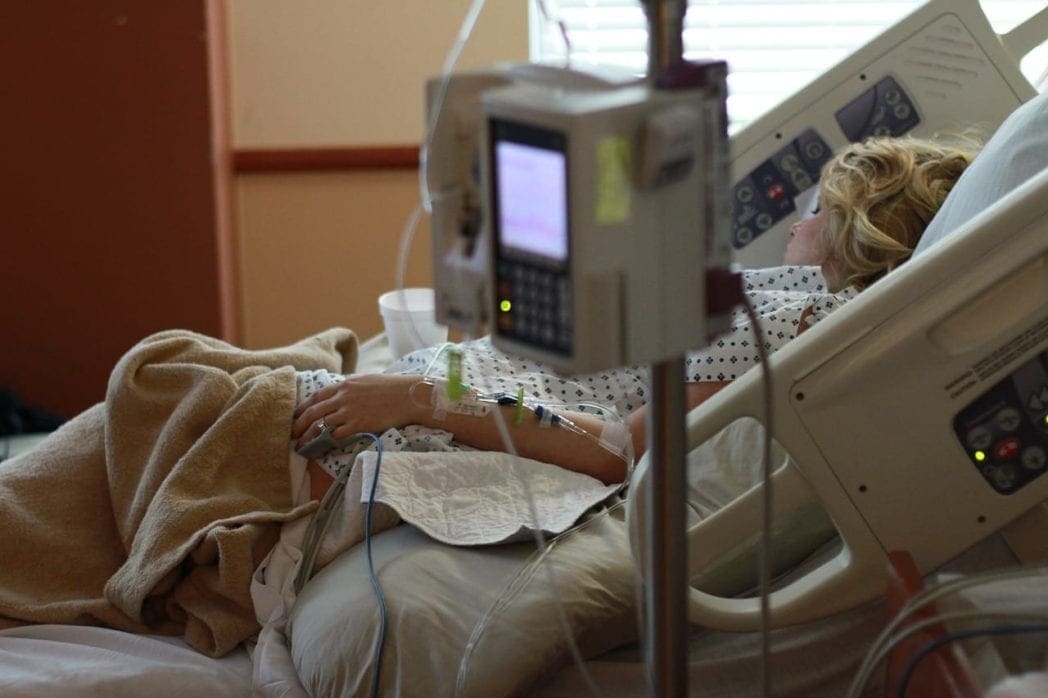
Consider a scenario that plays out thousands of times a night across this country. It's 2 a.m. on a Saturday, and you have abdominal pain that is not abating. The first thought for most people is to head straight to the emergency room. That instinct is understandable, and sometimes it's right. But the ER is the most expensive place you can receive care, and in most non-emergency situations, it is entirely avoidable.
Here’s a hypothetical example: a four-hour ER visit generated a $15,000 hospital bill. After insurance applied the deductible and out-of-pocket provisions, the patient's share came to $5,000. For a non-emergency that could have been handled another way, that's a costly default.
Here is what most people don't know: nearly every health plan offers a 24-hour nurse line or telemedicine access. These resources can triage your situation and determine whether an ER visit is actually warranted. If the pain subsides, a Monday morning call to your primary care doctor may be all you need. That single decision can save you thousands of dollars.
Beyond cost, this kind of triage is an act of self-governance. You are gathering information, weighing your options, and making a reasoned decision rather than defaulting to the most expensive and least targeted intervention available. That is exactly the behavior a functioning healthcare market would reward, and exactly the behavior that is most beneficial to you personally.
If You're Uninsured: You Have More Options Than You Think
The uninsured often feel they have no options, so they end up in the ER by default. What most people don't know is this: if you present at an emergency room without insurance, many hospitals can now enroll you in Medicaid on the spot if you qualify.
If you don't qualify and can't pay, hospitals write off unpaid bills from patients with no assets. Collections on a zero-asset situation rarely produces results. But if you have a home, a car, or bank accounts, collection agencies can pursue wages, place liens, and create lasting financial damage. The key is to engage early and proactively. Do not ignore the bills.
What’s your political type?
Find out right now by taking The World’s Smallest Political Quiz.
Take the Political QuizAnd here is the most important thing the hospital will not tell you up front: they are required to offer a payment plan. Beyond that, they will negotiate the total balance, particularly for the uninsured. Hospitals routinely accept 30 cents on the dollar from insurance companies. There is no structural reason they won't do the same for you, or better. You just have to ask.
This negotiation dynamic reflects a broader truth about voluntary exchange that gets obscured in healthcare: prices are rarely fixed. They are starting positions. The person who walks in informed, asks direct questions, and engages the billing department as a peer rather than a supplicant almost always comes out ahead. That is not gaming the system. It’s how markets are supposed to work.
Cost Transparency: Your Right, Not a Favor
For non-emergency care, cost-shopping is not only possible, it is your right. Most health plans now include cost estimators that allow you to compare prices for the same doctor's visit, imaging procedure, or lab work across different providers. The variation is often striking, and the hospital is almost always the most expensive option on the list.
Whether you have insurance or not, you are entitled to request an estimate before you receive services. This is not a rude question. It is a smart consumer exercising a basic contractual right. If you have insurance, your plan documents spell out what specific services cost under your plan. So be sure to read them.
There is a growing movement, driven in part by direct primary care practices and cash-pay clinics, to make healthcare pricing transparent by default rather than by exception. These models, built on direct voluntary relationships between patient and provider, often deliver comparable care at dramatically lower prices precisely because they cut out the administrative overhead of third-party billing. They are worth knowing about and, in many cases, worth choosing.
The HSA: One of the Most Underused Financial Tools Available
If your employer offers a consumer-directed health plan, or you have enrolled in one through the ACA marketplace, you may be eligible to open a Health Savings Account. This is one of the most tax-efficient vehicles in the entire financial system, and it is systematically underused.
The mechanics are compelling: contributions are tax-deductible, earnings grow tax-free, and withdrawals for qualified medical expenses are also tax-free. If your employer contributes to your HSA, that money is yours immediately. Annual contribution limits apply, with catch-up provisions available after age 55.
I believe that the best strategies are straightforward. Contribute consistently, keep the money invested and growing, and avoid touching it until later in life. An HSA can be used in retirement to pay Medicare premiums, out-of-pocket medical expenses, and long-term care costs. It functions as a second retirement account with a healthcare designation. Few people take full advantage of it. You should.
From a self-governance standpoint, the HSA is also philosophically significant in that it shifts the financial relationship in healthcare back toward the individual. Your money, your account, your decisions. It creates exactly the kind of skin in the game that makes consumers more deliberate, more price-conscious, and ultimately better stewards of their own care. Government policy rarely produces elegant outcomes, but the HSA is one worth using to its full advantages.
The Bottom Line: Be Your Own Advocate
The healthcare system is not designed to make things easy for you. Pricing is opaque, incentives are misaligned, and the default pathways tend to be the most expensive ones. But the system does have rules, and if you know those rules, you can work them to your advantage.
Know your plan's key terms. Use the nurse line before the ER. Ask for a cost estimate before you accept a service. Negotiate the bill if it comes to that. Fund your HSA like a second retirement account. Explore direct primary care or cash-pay options in your area. None of this requires a policy degree. It requires the willingness to treat your own healthcare decisions with the same deliberate attention you'd give any major financial commitment.
The deeper point is that no institution, no program, and no mandate will ever be as invested in your health as you are. Systems operate on averages. You are not an average. You are a specific person with specific needs, specific risks, and specific resources. The more authority you take over your own care, the better your decisions will be, and the less subject you will be to a system that profits from your passivity.
Being your own best advocate will reduce stress and save you money. The system is navigable. You just have to decide to navigate it.