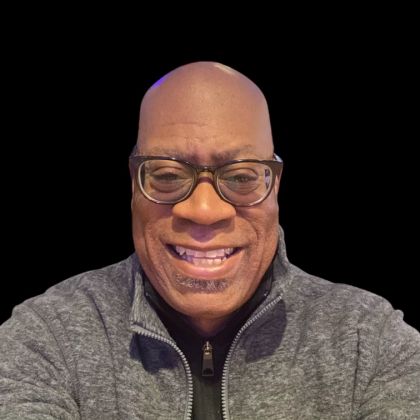

It’s a Tuesday in Fort Collins, and I’m at one of my favorite tea houses—the kind with exposed brick and tea sommeliers who take their knowledge of green tea, oolong, and other tasty beverages on the menu very seriously.
After a long stretch locked into my computer screen, I glanced up from my notebook and did a slow scan of the room. I counted thirteen patrons—every single one of us staring at a screen, void of any social connection. Not a single pair of eyes meeting across a table. Just each of us sealed inside our own glowing rectangle, physically present but mentally elsewhere.
One couple, clearly on a (maybe Tinder) date, were both scrolling their separate phones in total silence, sitting close enough to hold hands and apparently seeing no reason to. I wanted to walk over, very gently, and ask, Is this going well for you? Because from over here, it looks like you are both attending different funerals. But I refrained because quite frankly, as a raging extrovert, I am working on my boundaries.
But I sat with that image in my head for a long time. What I felt was not judgment but something closer to grief. Because I remember, vividly, viscerally, in my whole body, what it felt like when rooms were alive.
I am here to share with you, with everything I have learned from Lao Tzu to Confucius to thirty-plus years of showing up in rooms and betting on people: What we have traded away in terms of in-person engagement is not a small thing. The genuinely thrilling news, though, is that we are beginning to want it back. And that in itself is a revolutionary act.
The River Always Returns to Its Banks
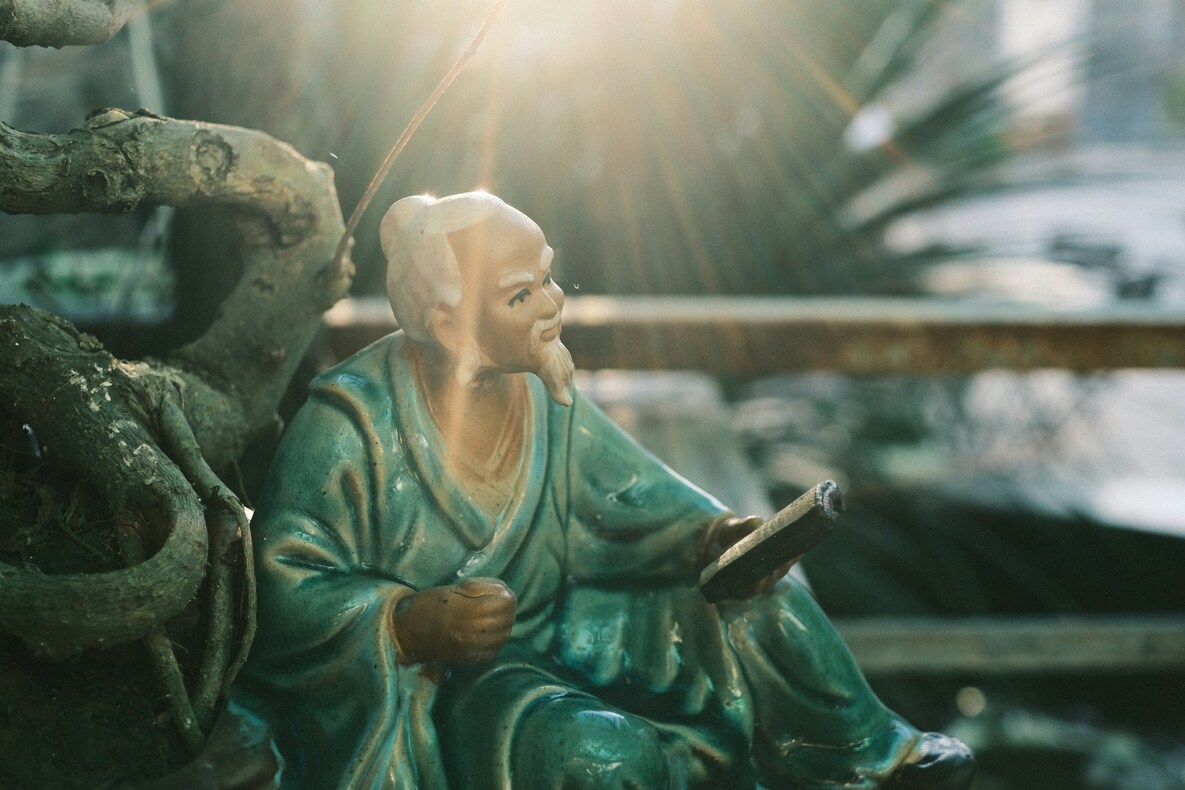
The Taoists have a way of saying things that sounds perfectly simple until three in the morning, when it lands on you like a piano falling from a great height. Lao Tzu, in the Tao Te Ching, writes that the highest good is like water. It flows without forcing, nourishes without demanding, and always, always finds its natural level. You can dam water. You can redirect it, pipe it through concrete for miles. But it never stops moving toward where it is meant to go.
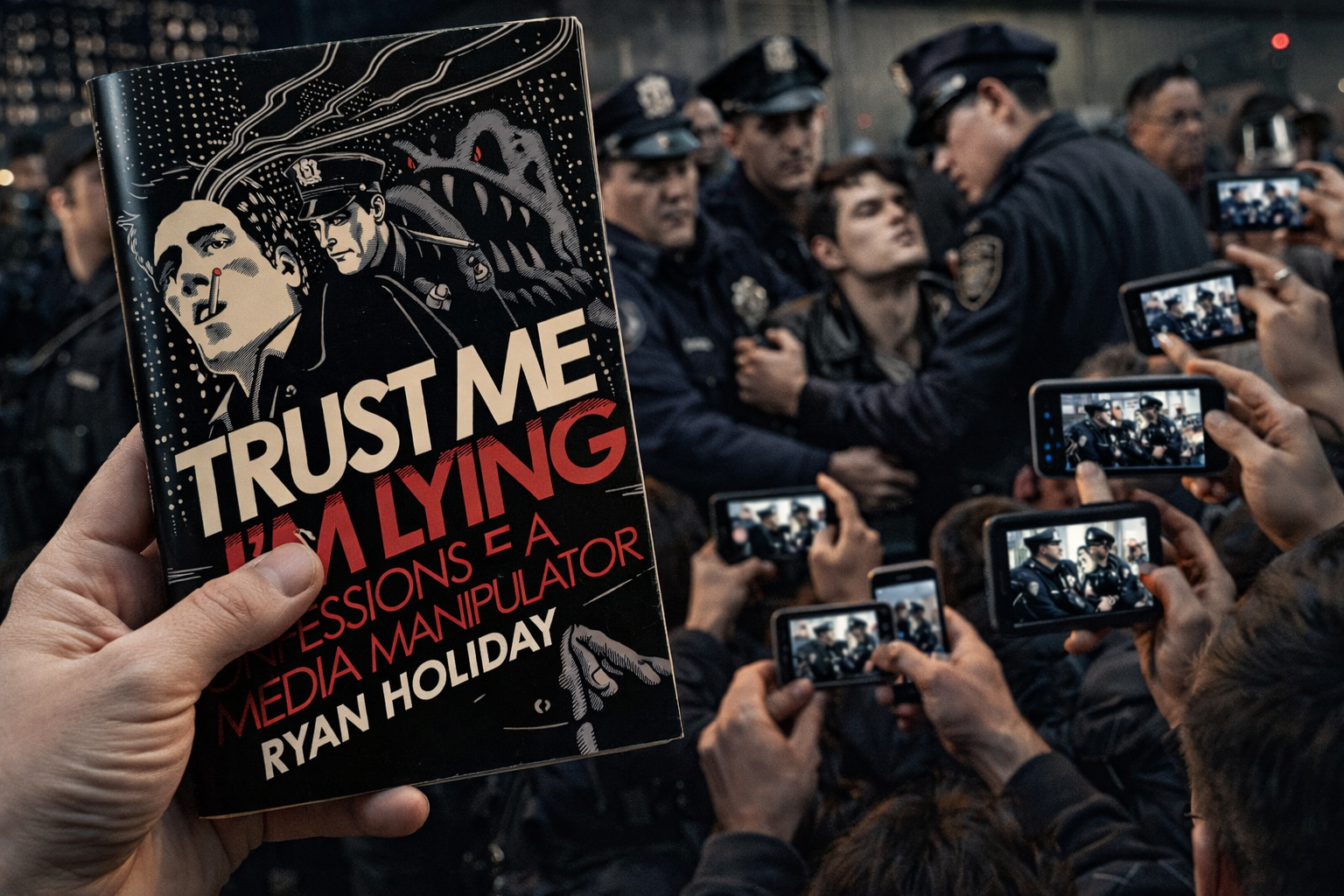
Human connection is that water. For the better part of two decades, we have been trying to dam it inside devices, compressing the infinite and irreplaceable texture of real relationships into a thumbs-up emoji and an AI-generated comment that reads like warmth but lands like a handshake from a very confident scarecrow. And slowly, in the marrow of our bones, in the quiet ache we feel scrolling at midnight when the feed has nothing left to offer, we have been registering the loss.
David Sax, in his quietly prophetic book The Future Is Analog, names what many of us have been feeling without quite having the language for it: The pendulum is swinging. Not because technology failed on its own terms, since it delivered exactly what it promised, which was scale, but because human beings were never built for scale.
We were built for depth. We were built for the conversation that goes three hours and solves nothing and changes everything, for the eye contact that says what words cannot, for the handshake that carries the whole quiet history of trust between two people who have actually shown up for each other.
The analog renaissance is not a trend. It is a survival mechanism. And as we continue to emerge from the sequestered world that the Covid-19 pandemic ushered in, many of us are starting to take notice, to choose the room over the feed, the face over the screen, the handshake over the notification.
Chicago. 1993. No Wi-Fi. No Excuses. No Problem.
Picture an evening in Chicago, the city doing what only a Midwestern autumn city can do: producing that particular cocktail of lake wind, ambition, and someone's deep-dish pizza drifting from two blocks over like a delicious rumor.
I am in my twenties and am a newly minted freelancer living my best life in a world that feels like freedom, and hungry in every sense of the word. I am carrying a stack of business cards like a man who has staked his entire future on the belief, radical, old-fashioned, and absolutely correct, that people are worth knowing.
There are three events that night. A civic gathering near the Loop. A chamber mixer on the North Side. A dinner roundtable downtown. I will make all three. I will shake hands, hold eye contact, and laugh too loudly at a joke I half-heard over the beautiful din of a crowded living room.
I will scribble notes on the back of someone's card in handwriting that only I can read: “sharp, follow through, introduce to Raymond.” I will drive home past midnight in my blue Buick Regal Grand Sport to suburban Lombard with my head full of new ideas, new names, and the warm, particular residue of genuine human contact. The kind you carry in your chest, not your phone.
Nothing that happened that night required a password. None of it needed a signal. All of it was alive in the way that only real things can relate to.
This was, in the precise Confucian understanding, the cultivation of ren, meaning humaneness and benevolence—the quality that Confucius insisted could only be grown in authentic relationship with another person. He asserted in his writings that words and an insinuating appearance are seldom associated with true virtue. In other words, he may never have imagined a LinkedIn recommendation written by AI. But he absolutely saw it coming.
That same year, I was transitioning out of a decade in healthcare administration, making the pivot to independent work, to a life built entirely on showing up, being present, and trusting that social gatherings that I navigated on a regular basis contained more intelligence and possibility than any algorithm could replicate.
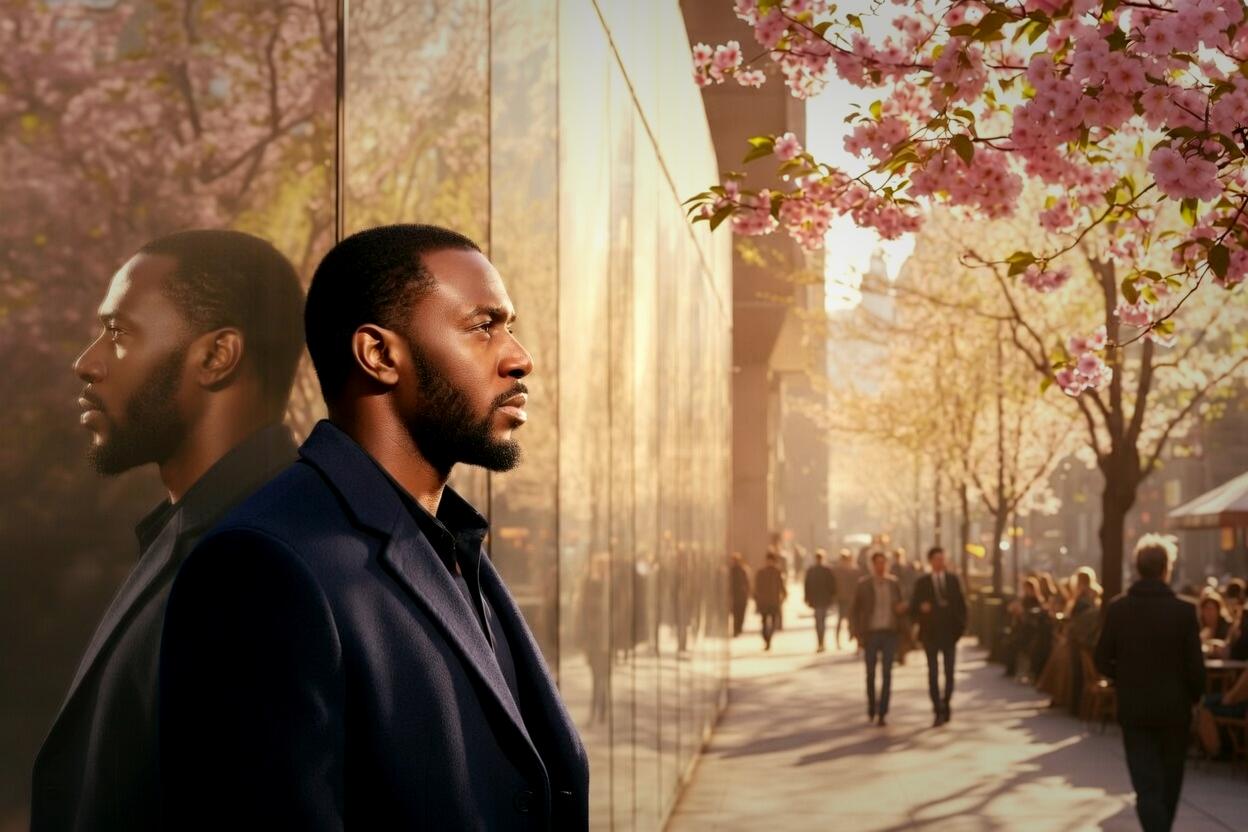
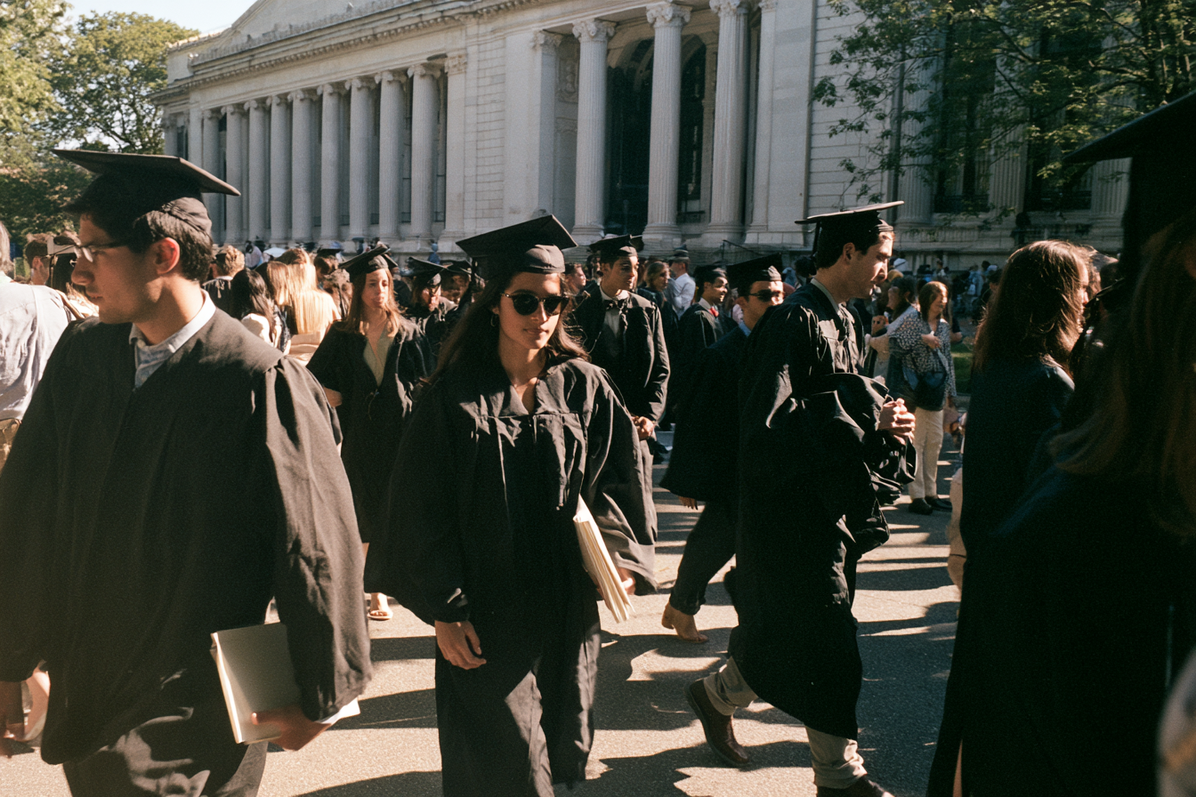
More than thirty years later, I am more convinced of that than ever. The free agent is not a technophobe. The free agent is someone who has chosen to govern their own time, relationships, and attention, and who understands that the most durable capital any entrepreneur or citizen can possess is the kind built face to face.
The Ghost in the Algorithm Has No Soul, and Honestly, It Shows
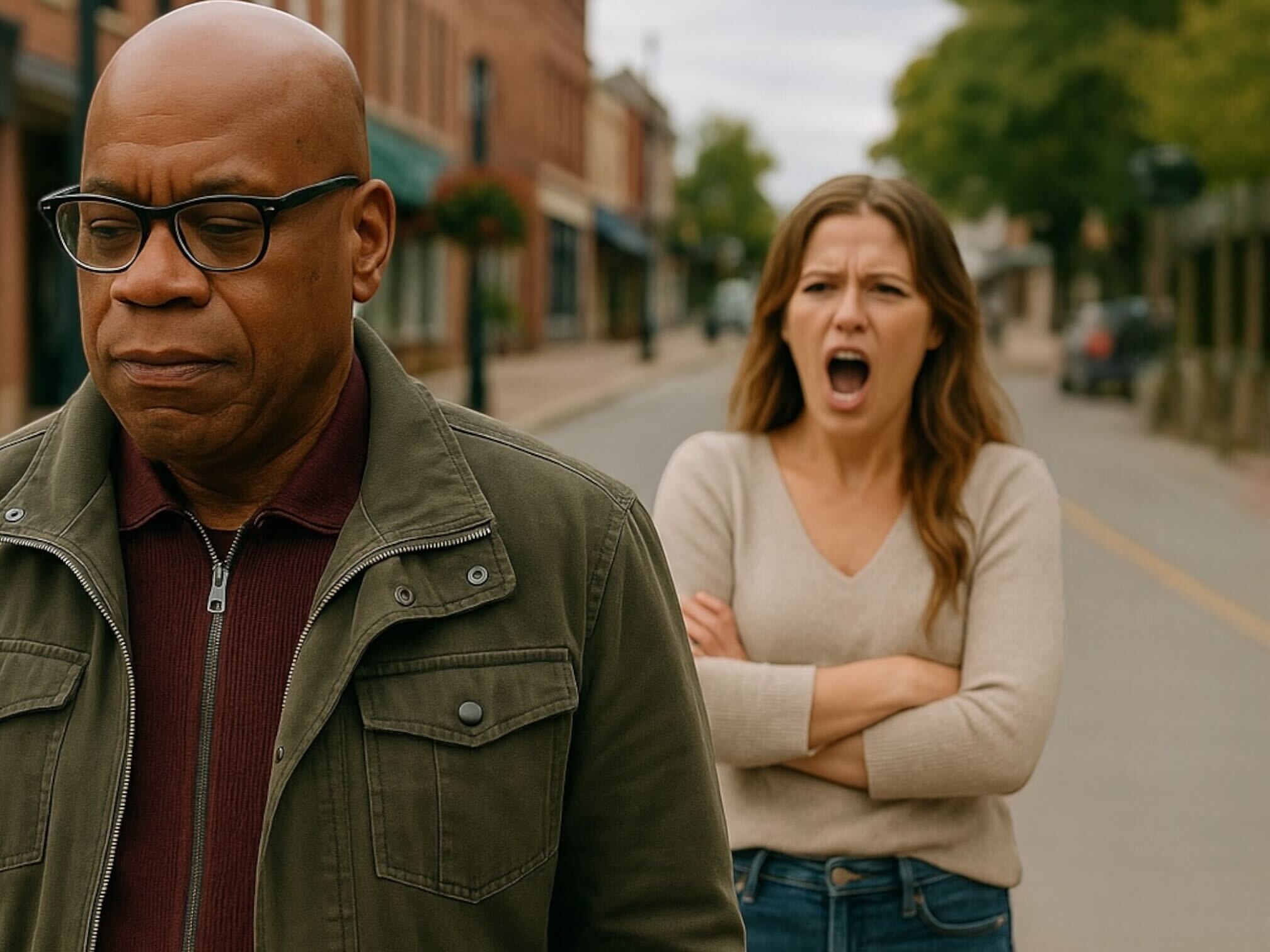
Fake profiles multiply across every platform. AI-generated warmth performs care that it is constitutionally incapable of feeling. Influencers curate authenticity to boost engagement metrics, which is roughly the same as manufacturing spontaneity inside a spreadsheet. And underneath all of it, millions of people are sitting in coffeehouses next to other human beings, attending different funerals on their phones.
Zen Buddhism speaks of shoshin, beginner's mind, the luminous quality of meeting each moment as if for the first time, without the barnacles of assumption and habit weighing you down. The digital ecosystem is the precise opposite of a beginner's mind. It is an algorithm that learns your preferences so thoroughly that it eventually stops showing you anything that might surprise, stretch, or genuinely move you. It does not cultivate wonder but harvests it.
The I Ching—that ancient and impossibly wise river of Chinese philosophical thought that has been assessing the human condition for three thousand years—speaks in “Hexagram 47, Kun,” of the person hemmed in on all sides, exhausted, their voice unheard in the noise.
But here is what I love about the I Ching: It is never merely diagnostic. The oracle says plainly that in times of oppression, the superior person stakes everything on following their own will. The compression is not the ending. The compression is the signal.
And this is where Taoism and libertarian philosophy shake hands and agree completely. Both traditions insist that the locus of authority is the individual, and that when centralized systems, whether algorithmic, governmental, or corporate, begin to mediate human experience at scale, something essential is lost.
The work of self-governance, at its most philosophically serious, is the defense of voluntary association, voluntary exchange, and the kind of spontaneous order that only emerges when free people encounter one another without coercion. Friedrich Hayek called this catallaxy, the order that cannot be designed, only discovered, through the free interplay of individuals acting on local knowledge that no central planner could ever possess.
The algorithm is the anti-catallaxy. It imposes order. It curates encounters. It replaces the glorious messiness of the agora with a managed feed. And in doing so, it does something no tyrant in history has quite managed: It makes the cage comfortable enough that many people never bother to look for the door.
What the Greeks Built That We’re Too Busy Scrolling to Remember
Close your eyes for a moment and picture this: a wide, sun-warmed stone square at the heart of an ancient city. The smell of olives and bread. The sound of voices overlapping in the unhurried, generous rhythm of people who believe that thinking out loud together is one of the highest uses of a human afternoon. This was the Greek agora, not a marketplace first, but a thinking place, a forum where citizens did the most radical thing imaginable: They encountered each other in full, unmediated, glorious human presence, and they wrestled with ideas until something true emerged.
What’s your political type?
Find out right now by taking The World’s Smallest Political Quiz.
Take the Political QuizSocrates did not have a newsletter. He walked. He stopped people. He asked one question and then another until the truth, uncomfortable, blazing, and undeniable, stood between two people who had actually met. Marcus Aurelius wrote his Meditations not for publication but as a private practice of showing up honestly to his own life. Epictetus, who had been a slave and knew something about what cannot be taken from you, taught that the one sovereign thing we govern is where we place our attention.
The agora had no comment section. It had consequences. Your words landed on a person standing right in front of you, looking back at you. That accountability, that warm friction, that electric possibility of genuine dialogue—this is precisely what I believe we are starving for. And this is precisely what the analog renaissance is setting back on the table.
This is also why the most interesting self-governance happening in America right now is not on social media. It is in living rooms and co-working spaces and coffee shops and local civic chambers.
By way of example, in Fort Collins, Colorado, I help host a monthly gathering called Book Chat at Kiln, a co-working space in our Midtown district, alongside Josh Kaufman, bestselling author of The Personal MBA. No assigned reading. No slides. No agenda beyond showing up, being present, and trusting that when curious people get in a room together, something worth having will happen. And something always does. Not because we engineered it. Because we cleared the space and let the Tao do its work.
Success Stories: The Analog Resistance Is Already Winning
The evidence that the pendulum is swinging is not merely philosophical. It is measurable, and it is everywhere.
Independent bookstores, which were supposed to have been killed off by Amazon somewhere around 2010, have staged one of the most improbable comebacks in retail history. According to the American Booksellers Association, the number of independent bookstores in the United States has grown substantially over the past decade, driven not by nostalgia but by a genuine hunger for curated community, for a space where someone who loves books makes recommendations to someone who loves books, in person, with eye contact and genuine enthusiasm.
Vinyl record sales have outpaced CD sales for the first time since the 1980s. Fountain pens and quality notebooks are among the fastest-growing segments in stationery retail. Farmers’ markets, long dismissed as a boutique preference for a narrow demographic, have become one of the most resilient and expansive community institutions in the country. People are voting with their time, their money, and their feet, and they are voting for the analog.
The regenerative agriculture movement, which insists on understanding farming as a local, embodied, relationship-based practice rather than an industrial optimization problem, is gaining ground not just as an environmental strategy but as a social philosophy.
The craft brewing revolution, the resurgence of community theater, the extraordinary growth of amateur running clubs that double as neighborhood social institutions—all of these represent the same underlying impulse. People are building what the digital world cannot provide: the irreplaceable texture of shared physical experience.
Zhuangzi, the great Taoist sage and cosmic prankster, taught that the most useful thing is often what appears to be empty. The hollow center of a wheel. The open space of a room. The silence between notes that gives music somewhere to breathe. What we are slowly and collectively learning is that the emptiness left by logging off is not a void to be filled with more content. It is an invitation. It is the hollow in the wheel. It is the open space where something real can finally happen.
The Self-Governing Life: Practical Moves for the Analog Renaissance
The narrative here is not only philosophical. It is always also “what do I do next Tuesday?” Here is what I have learned, from three decades of showing up in rooms and betting on people, about the practical cultivation of a free, prosperous, and genuinely self-governing life in a world that keeps trying to automate your relationships.
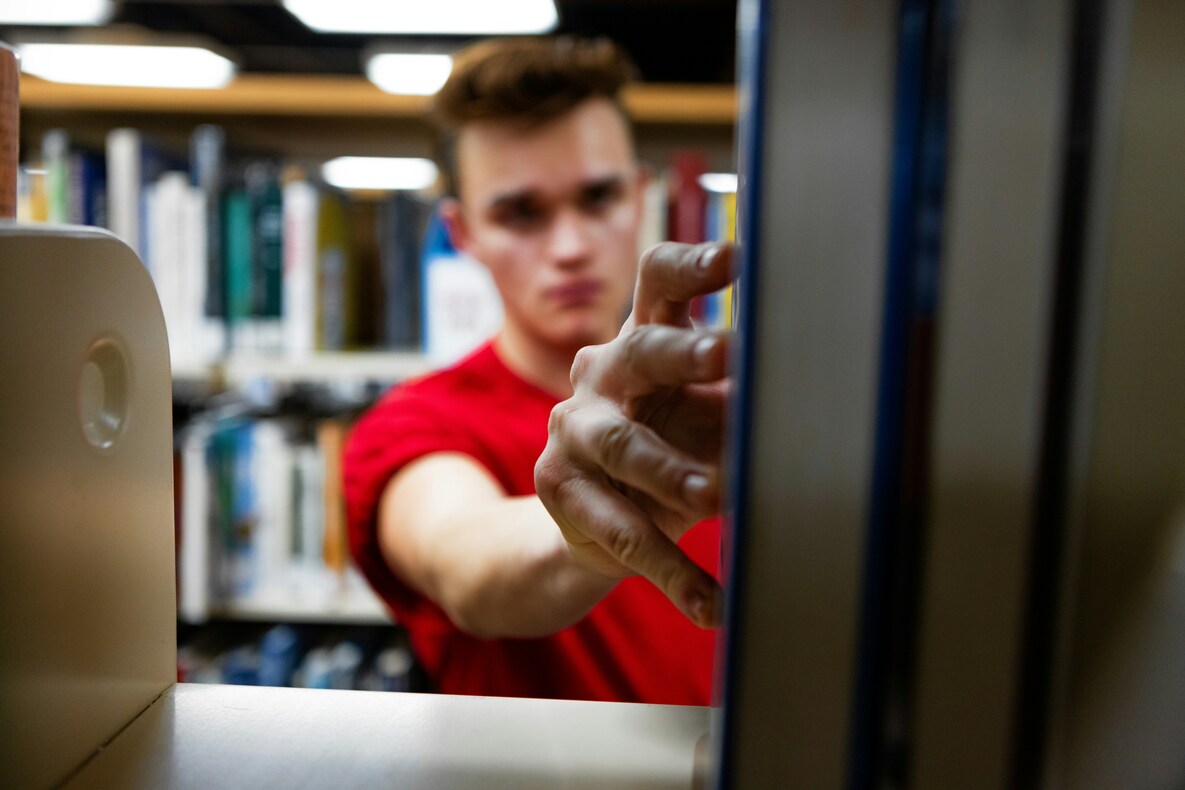
Begin with the radical act of showing up in person. Find the chamber of commerce meeting, the civic gathering, the book club, the neighborhood association, the local talk at the library, and go. Not to network in the transactional sense, but to practice what the Confucians called li, the ritual propriety of genuine human encounter. Show up with curiosity and without an agenda, and let the room teach you what no algorithm has been programmed to deliver. And reclaim your attention as sovereign territory.
Epictetus was not speaking metaphorically when he insisted that where we place our attention is the one thing no one can take from us without our consent. Every notification you silence, every hour you protect for face-to-face conversation, every meal you eat without a screen, is an act of self-governance. It is the self-governance project in miniature: the defense of your own irreducible inner freedom against forces that profit from your distraction.
Support the analog economy with your choices. Buy the book from the independent bookshop. Take the meeting over coffee rather than Zoom when you can. Attend the local event when the default option is to stream something alone. These are not sacrifices. They are investments in the infrastructure of a free and connected life.
And write. Not to post. Write to think. Jim Rohn, whose words I first encountered in a Chicago ballroom in 1995 and which launched a journaling practice I have maintained ever since helped me understand that the discipline of putting your own thoughts into your own words. The practice of writing one’s thoughts by hand, in your own time, is one of the most powerful acts of self-authorship available to any person. It is wu wei applied to the interior life: not forcing the insight, but creating the conditions in which it can arise.
The Wager Worth Losing Sleep Over
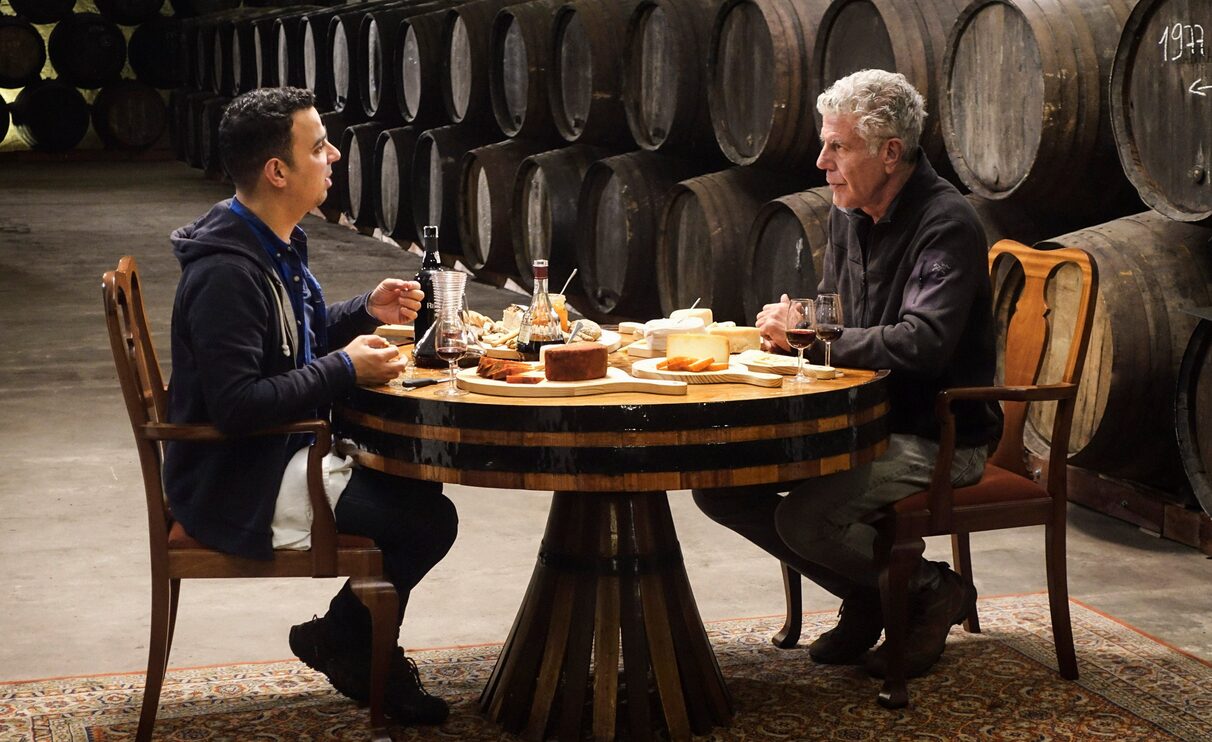
I am placing my bet on the river. I am betting on the entrepreneur who shows up to the chamber event with genuine curiosity and stays past the comfortable hour because something real is happening in the room. I am betting on the couple who put their phones in a drawer at dinner and remember, with some surprise, that they actually like each other. I am betting on the book club meeting in a local living room, the civic gathering that runs long, and the coffee conversation that starts at two in the afternoon and ends when the barista gives you a look.
I am betting, in the language of Lao Tzu, on the eternal pattern: The more vigorously you force, the more deeply you exhaust yourself. The more tightly you try to manage, optimize, and automate the human, the further you drive us underground. But underground does not mean gone. Underground means gathering pressure. Underground means the river remembers where it is going.
David Sax has given us the language for what many of us have been feeling: that the future is not a more seamless continuation of the digital present. The future belongs to those who understand what the screen cannot provide, which is presence, consequence, texture, and the irreplaceable electricity of two human beings fully inhabiting the same moment together.
The Tao that can be optimized is not the eternal Tao. The connection that can be simulated is not the connection we were made for.
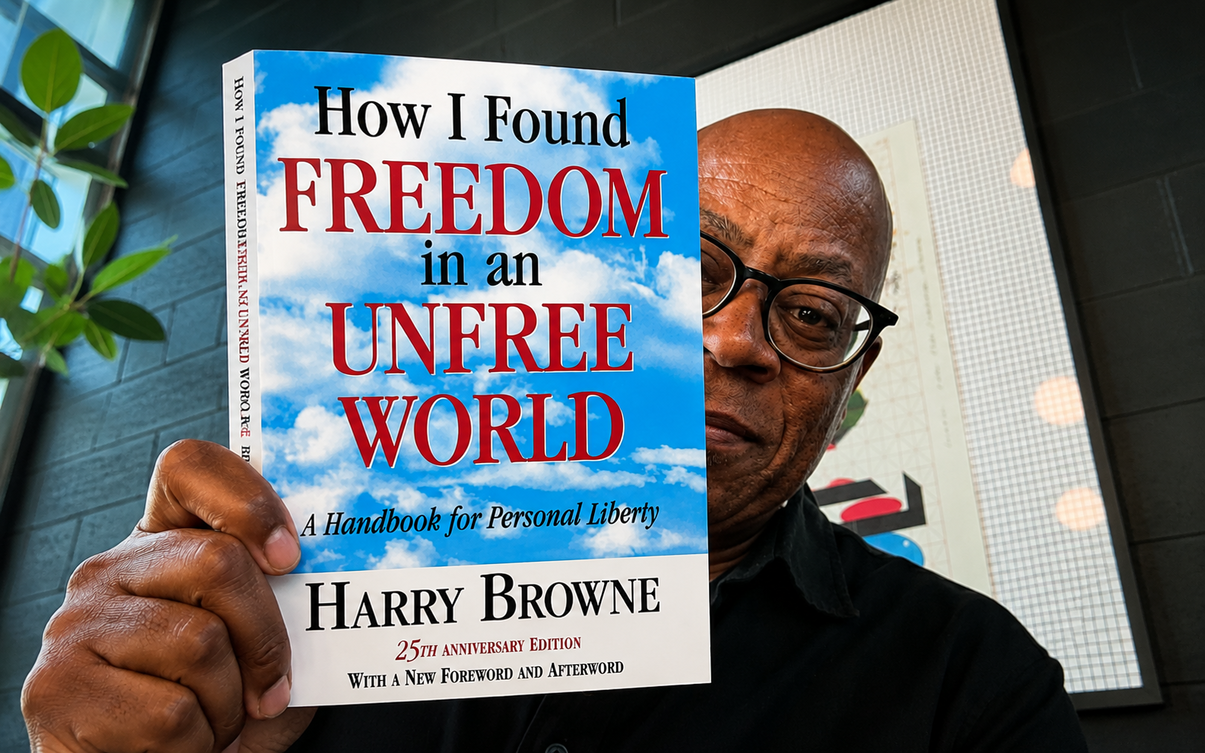
I believe that the analog world is not waiting somewhere in the past, wrapped in nostalgia and cassette tapes. Rather, it is cued up for the next conversation you are brave enough to have face to face, unhurried, unscripted, and unrepeatable. It is waiting every time you choose the room over the feed, the person over the platform, the handshake over the notification. That in my view is true freedom.