
Human Respect Labs presents:
“The Spell That Made Everyone Good”
—a short animated parable on force, freedom, and the power of human respect.
Please watch and share so they can make more!
Got a creative project idea about human liberation?
Visit the Application Page to see if you qualify for funding.
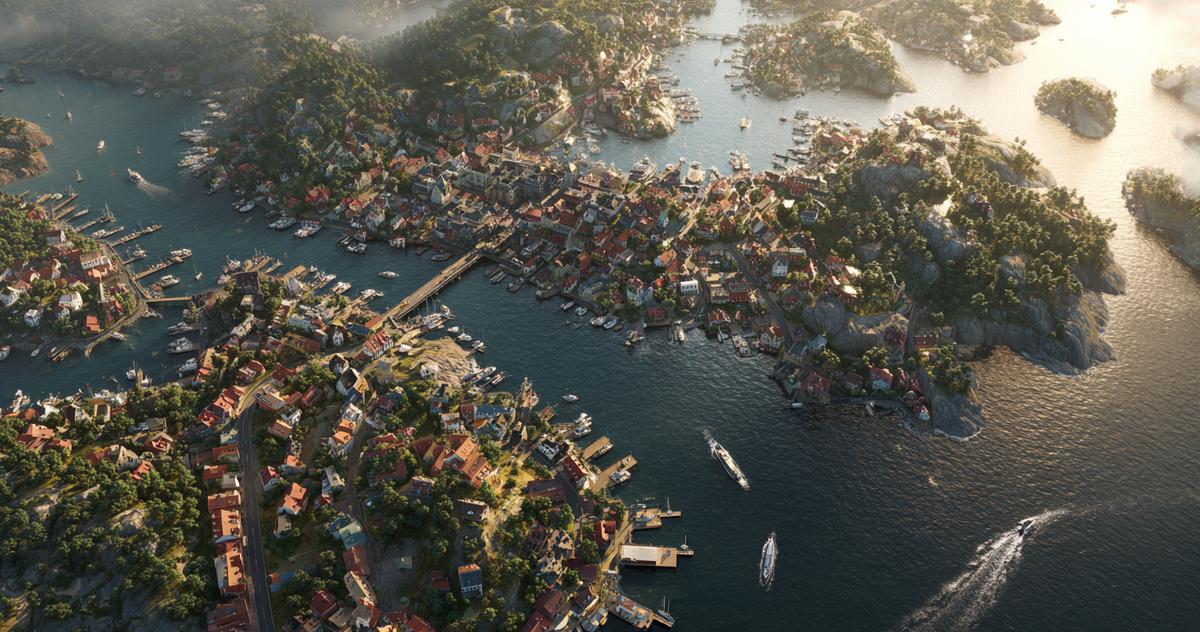
There once was a city both ancient and great,
Whose greatness gave way to a terrible fate.
The city of Uz, its people once proud,
Now lived in the dark of a terrible cloud.
Around every corner, a mugger, a thief,
Their victims left standing in stunned disbelief.
Brigands besieged from beyond the high wall,
And a TYRANT ruled harshly within the great hall.
The tyrant sent goons to collect all because,
He thought of himself as much better than Uz.
The people now lived in perpetual fears,
Of the Takers whose taking brought nothing but tears.
An Old Wizard said, “I’ve had quite enough!
Of thieves, and tyrants, and brigand-y stuff.”
What’s your political type?
Find out right now by taking The World’s Smallest Political Quiz.
Take the QuizHe worked through the night to craft a spell right,
Then cast that spell down upon Uz at first light.
The Makers of Uz noticed nothing at first,
So wary of Takers, they planned for the worst.
They hustled, traded, and worked the whole day,
And the Takers retreated in total dismay.
The pickpockets picked but couldn’t quite poach;
The brigands found out that they couldn’t approach.
The goons of the tyrant grew weak at the knee,
Then smashed into shields that no one could see.
Makers could make, but Takers were thwarted.
“Everything’s changed!” the people reported.
The city now bustled with commerce and peace.
So harmony, joy, and abundance increased!
The Takers grew weary from trying to plunder,
Foiled every time, and left there to wonder…
Unable to pilfer a pound or a pence;
They couldn’t compel, so they had to convince.
Forbidden to take, they had to do good,
So life kept improving, just as it should.
The Spell had permitted no harm, not a jot,
So better and better and better things got.
No candy would vanish from innocent hands.
The brigands gave up on their plundering plans.
The tyrant came down to everyone’s level.
No power to dictate, cow, or bedevil.
Folks worked and traded, and gave from the heart.
And mutual aid played a critical part.
After working long days, the Uzites rejoiced;
As Uz was now buzzing with compassion and choice.
Uz became known as a City of Gold,
Where everyone wanted to live and grow old.
Till one day, a Dark Mage discovered the Spell.
He said, “These Makers don’t give quite enough of themselves.”
“The Old Wizard’s magic is no good for the needy.
It lets all the townfolk be selfish and greedy!”
So the Dark Mage incanted with black magic, strong,
To cancel the spell that had righted the wrongs.
By dawn’s gentle light—the Old Wizard was weak.
Only pallor remained on his once-rosy cheeks.
The thieves found pockets to pick and purloin.
The brigands went back to plundering coin…
The Tyrant’s big goons were all taxing by eight.
And Uz slid back down to a desperate state.
The moral, the lesson, to take, if you could;
There’s not enough magic to make us all good.
Yet each of us carries the power to care;
So we should try Human Respect everywhere.
Credits
Written by Max Borders
Story Editor: Christopher Cook
Sound & Score: James S. Borders
Voice Artist: Andrew Chisholm
Animation: Alexandra Murha
Studio: Hound Studio