












The Anniversary They Hope You Missed
February 19th came and went, and for the most part, I really doubt many woke up wondering if that day had any significance. Few websites covered it, the radio was silent in regards to it, and the mainstream cable news outlets may have touched on it for perhaps a few passing seconds. For a country that often reflects on the sins of our past, Americans have all but forgotten the anniversary of the fascist decision by the Roosevelt Administration during WWII to take Japanese-Americans and stick them in concentration camps.
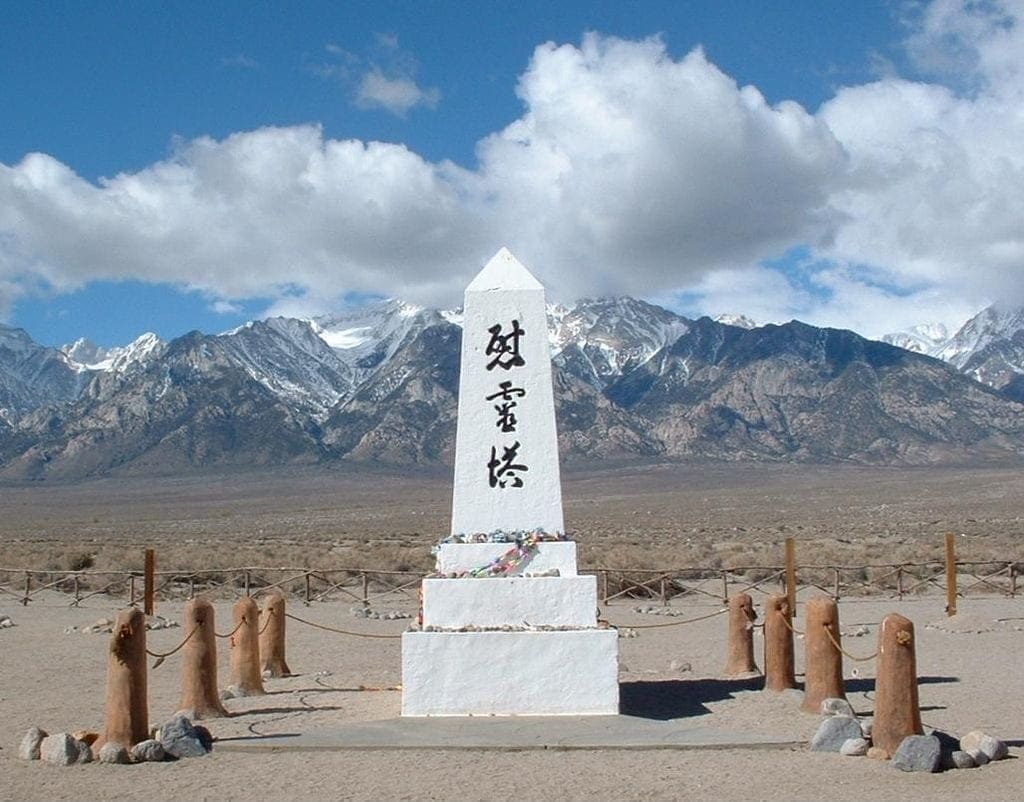 February 19th, 1942, Mises Institute writer Ryan McMaken reminds us, was when FDR “issued Executive Order 9066 authorizing military personnel to lock Americans of Japanese descent in concentration camps that are often euphemistically called ‘internment camps.’” Now “internment camps” sounds a lot less worse than “concentration camps” but the differences are non-existent. According to McMaken “the term ‘concentration camp’ is not a pejorative term. Using the term to describe the camps for Japanese-Americans is both appropriate and properly descriptive.”
Upon FDR’s Executive Order, 66 percent of Americans of Japanese descent were forcibly relocated to the camps for the duration of WWII after the bombing of Pearl Harbor. Imagine if we took 66 percent of our Arab population and put them in camps after the attacks on 9/11 for the duration of the War on Terror.
According to Softschools.com, “Because the camps were not yet completed when Roosevelt signed the executive order, the Japanese prisoners were held in temporary shelters such as stables in racetracks.” Many thousands of Japanese-Americans were forced to sell their homes and all their property, and even military veterans of WWI, who fought and served their country, lost all their constitutional rights and were sent to the camps. The only option for leaving the camps was if one chose to enlist to fight on behalf of the same country which treated them and their families as criminals based solely on their race and heritage.
“So, while the American camps were relatively safe and healthy,” McMaken writes, “it would be unwise to attribute to assumed American generosity. The fact is the US regime could afford to feed the residents while the general population more or less forgot about them. Had the US experienced something like Stalingrad, the Roosevelt Administration — which was not above prosecuting peaceful Americans under the Espionage Act — may have turned to harsher measures against interned populations.”
Twenty-four years after the end of WWII, the US Government finally began to pay back restitution for the survivors of the camps, but the survivors would not see a dime of the $20,000 each were allocated for another 24 years in 1988, in which only 60,000 survivors were still alive.
Often terms like “fascist” and “dictator” are thrown around, but American society has either forgotten or made excuses on behalf of Roosevelt and the American government, turning their backs on the rights of American citizens during a time of war, and barely making amends several generations later.
February 19th, 1942, Mises Institute writer Ryan McMaken reminds us, was when FDR “issued Executive Order 9066 authorizing military personnel to lock Americans of Japanese descent in concentration camps that are often euphemistically called ‘internment camps.’” Now “internment camps” sounds a lot less worse than “concentration camps” but the differences are non-existent. According to McMaken “the term ‘concentration camp’ is not a pejorative term. Using the term to describe the camps for Japanese-Americans is both appropriate and properly descriptive.”
Upon FDR’s Executive Order, 66 percent of Americans of Japanese descent were forcibly relocated to the camps for the duration of WWII after the bombing of Pearl Harbor. Imagine if we took 66 percent of our Arab population and put them in camps after the attacks on 9/11 for the duration of the War on Terror.
According to Softschools.com, “Because the camps were not yet completed when Roosevelt signed the executive order, the Japanese prisoners were held in temporary shelters such as stables in racetracks.” Many thousands of Japanese-Americans were forced to sell their homes and all their property, and even military veterans of WWI, who fought and served their country, lost all their constitutional rights and were sent to the camps. The only option for leaving the camps was if one chose to enlist to fight on behalf of the same country which treated them and their families as criminals based solely on their race and heritage.
“So, while the American camps were relatively safe and healthy,” McMaken writes, “it would be unwise to attribute to assumed American generosity. The fact is the US regime could afford to feed the residents while the general population more or less forgot about them. Had the US experienced something like Stalingrad, the Roosevelt Administration — which was not above prosecuting peaceful Americans under the Espionage Act — may have turned to harsher measures against interned populations.”
Twenty-four years after the end of WWII, the US Government finally began to pay back restitution for the survivors of the camps, but the survivors would not see a dime of the $20,000 each were allocated for another 24 years in 1988, in which only 60,000 survivors were still alive.
Often terms like “fascist” and “dictator” are thrown around, but American society has either forgotten or made excuses on behalf of Roosevelt and the American government, turning their backs on the rights of American citizens during a time of war, and barely making amends several generations later.
February 19th, 1942, Mises Institute writer Ryan McMaken reminds us, was when FDR “issued Executive Order 9066 authorizing military personnel to lock Americans of Japanese descent in concentration camps that are often euphemistically called ‘internment camps.’” Now “internment camps” sounds a lot less worse than “concentration camps” but the differences are non-existent. According to McMaken “the term ‘concentration camp’ is not a pejorative term. Using the term to describe the camps for Japanese-Americans is both appropriate and properly descriptive.”
Upon FDR’s Executive Order, 66 percent of Americans of Japanese descent were forcibly relocated to the camps for the duration of WWII after the bombing of Pearl Harbor. Imagine if we took 66 percent of our Arab population and put them in camps after the attacks on 9/11 for the duration of the War on Terror.
According to Softschools.com, “Because the camps were not yet completed when Roosevelt signed the executive order, the Japanese prisoners were held in temporary shelters such as stables in racetracks.” Many thousands of Japanese-Americans were forced to sell their homes and all their property, and even military veterans of WWI, who fought and served their country, lost all their constitutional rights and were sent to the camps. The only option for leaving the camps was if one chose to enlist to fight on behalf of the same country which treated them and their families as criminals based solely on their race and heritage.
“So, while the American camps were relatively safe and healthy,” McMaken writes, “it would be unwise to attribute to assumed American generosity. The fact is the US regime could afford to feed the residents while the general population more or less forgot about them. Had the US experienced something like Stalingrad, the Roosevelt Administration — which was not above prosecuting peaceful Americans under the Espionage Act — may have turned to harsher measures against interned populations.”
Twenty-four years after the end of WWII, the US Government finally began to pay back restitution for the survivors of the camps, but the survivors would not see a dime of the $20,000 each were allocated for another 24 years in 1988, in which only 60,000 survivors were still alive.
Often terms like “fascist” and “dictator” are thrown around, but American society has either forgotten or made excuses on behalf of Roosevelt and the American government, turning their backs on the rights of American citizens during a time of war, and barely making amends several generations later.