

















A New Approach is Needed With Iran
Last month, Tahmineh Dehbozorgi, a campus correspondent for Campus Reform, penned an interesting piece on how America should deal with Iran.
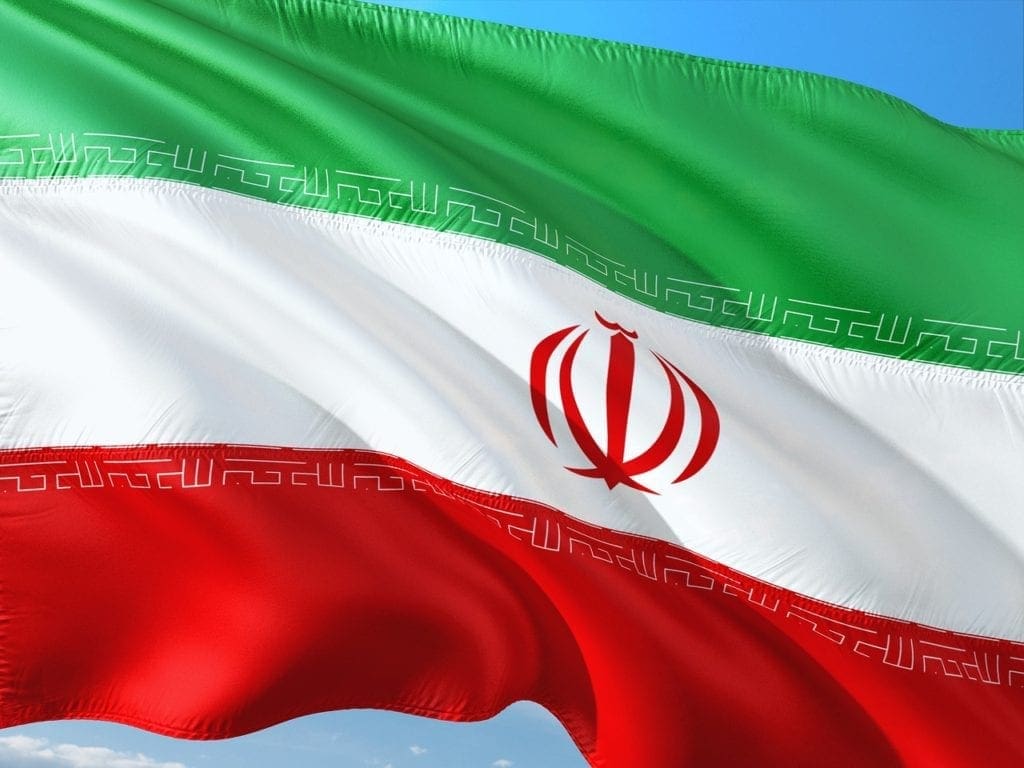
 Since the Islamic Revolution of 1979, Iran has been a thorn in the side of the American political establishment. This has prompted politicians from both parties to take harsh action against the country. In 1979, sanctions were slapped on Iran as a means of trying to punish the newly-formed Islamic government. Since then, the U.S. has maintained these sanctions and has added even more pressure on the country in order to force regime change, with little to no avail. As former Congressman Ron Paul wisely observed, sanctions only strengthen the countries being targeted, while everyday people suffer.
Although President Trump campaigned to stop the never-ending wars, his administration has maintained and expanded upon the same failed sanctions against Iran. Even worse, the administration has continued sending troops over to Saudi Arabia — Iran’s geopolitical rival — to try to counter its influence and intimidate it. This worries some people considering how American troops are in a hot zone and any kind of attack on American assets could provoke a hot war, something no one should be asking for at this moment.
Dehbozorgi raises an interesting point about the Iranian ex-pat population, one of the most skilled immigrant groups in the country. She notes that “Even though many disagree with the actions of the Iranian government, they favor better relations between Tehran and Washington and dismiss the dangerous rhetoric of war hawks like John Bolton, Hillary Clinton, and Sen. Lindsey Graham.” New Jersey Democratic Senator Cory Booker has even urged that the United States should “be more vigilant than ever in fighting Iranian aggression.”
However, there is still some prospect for peace with the Islamic Republic. Certain elected officials, like Congressman Thomas Massie, have not bought into D.C.’s hawkish ways. Massie voted against the extension of U.S. sanctions against Iran, is the only member in Congress to do so back in 2016. Similarly, Massie joined Congressmen Justin Amash and John Duncan Jr. to vote in opposition to the Countering America’s Adversaries Through Sanctions Act.
It’s becoming apparent that Americans have allowed defense contractors and ivory tower foreign policy bigwigs to call the shots on foreign policy for too long. Instead, the U.S. should heed the advice of retired Colonel Douglas MacGregor and pursue diplomatic options with Iran because a direct conflict could create a global conflagration.
Let’s be real. Neoconservative regime change fanatics and their neoliberal cousins portray Iran as the next Nazi Germany, but Iran is nowhere near the superpower they suggest. When factoring in how militarily advanced Israel is — it is also rumored to be a nuclear power that can counterbalance Iran. Additionally, Iran is in an alliance of convenience with China and Russia — who will likely play a mediating role in keeping Iran from pursuing irrational belligerency — the likelihood that Iran will cap off a hot war is increasingly small.
A more proactive way of dealing with the country is to open up dialogue and directly appeal to Iranian activists that yearn for reform. Trying to launch another regime change campaign in the Middle East would be a disaster waiting to happen.
Since the Islamic Revolution of 1979, Iran has been a thorn in the side of the American political establishment. This has prompted politicians from both parties to take harsh action against the country. In 1979, sanctions were slapped on Iran as a means of trying to punish the newly-formed Islamic government. Since then, the U.S. has maintained these sanctions and has added even more pressure on the country in order to force regime change, with little to no avail. As former Congressman Ron Paul wisely observed, sanctions only strengthen the countries being targeted, while everyday people suffer.
Although President Trump campaigned to stop the never-ending wars, his administration has maintained and expanded upon the same failed sanctions against Iran. Even worse, the administration has continued sending troops over to Saudi Arabia — Iran’s geopolitical rival — to try to counter its influence and intimidate it. This worries some people considering how American troops are in a hot zone and any kind of attack on American assets could provoke a hot war, something no one should be asking for at this moment.
Dehbozorgi raises an interesting point about the Iranian ex-pat population, one of the most skilled immigrant groups in the country. She notes that “Even though many disagree with the actions of the Iranian government, they favor better relations between Tehran and Washington and dismiss the dangerous rhetoric of war hawks like John Bolton, Hillary Clinton, and Sen. Lindsey Graham.” New Jersey Democratic Senator Cory Booker has even urged that the United States should “be more vigilant than ever in fighting Iranian aggression.”
However, there is still some prospect for peace with the Islamic Republic. Certain elected officials, like Congressman Thomas Massie, have not bought into D.C.’s hawkish ways. Massie voted against the extension of U.S. sanctions against Iran, is the only member in Congress to do so back in 2016. Similarly, Massie joined Congressmen Justin Amash and John Duncan Jr. to vote in opposition to the Countering America’s Adversaries Through Sanctions Act.
It’s becoming apparent that Americans have allowed defense contractors and ivory tower foreign policy bigwigs to call the shots on foreign policy for too long. Instead, the U.S. should heed the advice of retired Colonel Douglas MacGregor and pursue diplomatic options with Iran because a direct conflict could create a global conflagration.
Let’s be real. Neoconservative regime change fanatics and their neoliberal cousins portray Iran as the next Nazi Germany, but Iran is nowhere near the superpower they suggest. When factoring in how militarily advanced Israel is — it is also rumored to be a nuclear power that can counterbalance Iran. Additionally, Iran is in an alliance of convenience with China and Russia — who will likely play a mediating role in keeping Iran from pursuing irrational belligerency — the likelihood that Iran will cap off a hot war is increasingly small.
A more proactive way of dealing with the country is to open up dialogue and directly appeal to Iranian activists that yearn for reform. Trying to launch another regime change campaign in the Middle East would be a disaster waiting to happen.
Since the Islamic Revolution of 1979, Iran has been a thorn in the side of the American political establishment. This has prompted politicians from both parties to take harsh action against the country. In 1979, sanctions were slapped on Iran as a means of trying to punish the newly-formed Islamic government. Since then, the U.S. has maintained these sanctions and has added even more pressure on the country in order to force regime change, with little to no avail. As former Congressman Ron Paul wisely observed, sanctions only strengthen the countries being targeted, while everyday people suffer.
Although President Trump campaigned to stop the never-ending wars, his administration has maintained and expanded upon the same failed sanctions against Iran. Even worse, the administration has continued sending troops over to Saudi Arabia — Iran’s geopolitical rival — to try to counter its influence and intimidate it. This worries some people considering how American troops are in a hot zone and any kind of attack on American assets could provoke a hot war, something no one should be asking for at this moment.
Dehbozorgi raises an interesting point about the Iranian ex-pat population, one of the most skilled immigrant groups in the country. She notes that “Even though many disagree with the actions of the Iranian government, they favor better relations between Tehran and Washington and dismiss the dangerous rhetoric of war hawks like John Bolton, Hillary Clinton, and Sen. Lindsey Graham.” New Jersey Democratic Senator Cory Booker has even urged that the United States should “be more vigilant than ever in fighting Iranian aggression.”
However, there is still some prospect for peace with the Islamic Republic. Certain elected officials, like Congressman Thomas Massie, have not bought into D.C.’s hawkish ways. Massie voted against the extension of U.S. sanctions against Iran, is the only member in Congress to do so back in 2016. Similarly, Massie joined Congressmen Justin Amash and John Duncan Jr. to vote in opposition to the Countering America’s Adversaries Through Sanctions Act.
It’s becoming apparent that Americans have allowed defense contractors and ivory tower foreign policy bigwigs to call the shots on foreign policy for too long. Instead, the U.S. should heed the advice of retired Colonel Douglas MacGregor and pursue diplomatic options with Iran because a direct conflict could create a global conflagration.
Let’s be real. Neoconservative regime change fanatics and their neoliberal cousins portray Iran as the next Nazi Germany, but Iran is nowhere near the superpower they suggest. When factoring in how militarily advanced Israel is — it is also rumored to be a nuclear power that can counterbalance Iran. Additionally, Iran is in an alliance of convenience with China and Russia — who will likely play a mediating role in keeping Iran from pursuing irrational belligerency — the likelihood that Iran will cap off a hot war is increasingly small.
A more proactive way of dealing with the country is to open up dialogue and directly appeal to Iranian activists that yearn for reform. Trying to launch another regime change campaign in the Middle East would be a disaster waiting to happen.




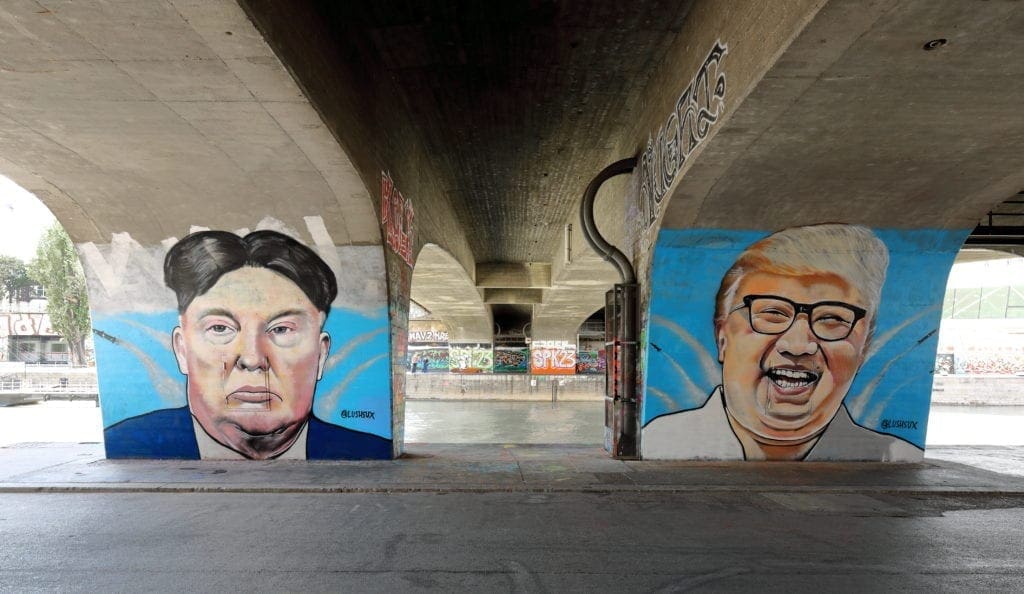 Trump set himself apart during his 2016 presidential campaign by speaking against the Iraq war and by showing the country he wasn’t necessarily eager to go to war in the Middle East. But once he was elected, his promises were tested on several occasions, especially after he
 While Trump is trying to be tough, he is truly showing that he is nothing more than Saudi Arabia’s servant. By bending the knee, Trump is solving nothing and emboldening the Saudi effort to hold the global economy hostage.
Sanction Waivers: A Band-Aid for a Bullet Hole
Sanction waivers, when considering that a nation ought to make its own laws, do not exist. By repealing these waivers, the US is attempting to force its policies on other nations. In other words, the US wants to force the rest of the world to stop trading with Iran and be entirely reliant upon Saudi oil. Such a move is not only an attack on Iran, but it is also an act of war upon the entire world.
The sentiment of Bastiat comes to mind. Protectionism does not work. Rather, it increases global hostility. By isolating Iran’s economy, the US is forcing them to pursue other means to survive. These waivers do not fix the problem. Rather, we ought to focus on ending sanctions and ensuring free trade for all. Instead of expanding trade, this elimination of sanction waivers is going to eliminate more than a million barrels of oil per day from the market. When one forces the supply to decrease, one forces the price of a good to increase. Due to this artificial scarcity, we can expect prices to only continue to increase.
Sanctions: A Tool of the American Empire
While Saudi Arabia holds the global economy hostage, it is only doing so at the behest of the United States. If the US wanted to, they could
While Trump is trying to be tough, he is truly showing that he is nothing more than Saudi Arabia’s servant. By bending the knee, Trump is solving nothing and emboldening the Saudi effort to hold the global economy hostage.
Sanction Waivers: A Band-Aid for a Bullet Hole
Sanction waivers, when considering that a nation ought to make its own laws, do not exist. By repealing these waivers, the US is attempting to force its policies on other nations. In other words, the US wants to force the rest of the world to stop trading with Iran and be entirely reliant upon Saudi oil. Such a move is not only an attack on Iran, but it is also an act of war upon the entire world.
The sentiment of Bastiat comes to mind. Protectionism does not work. Rather, it increases global hostility. By isolating Iran’s economy, the US is forcing them to pursue other means to survive. These waivers do not fix the problem. Rather, we ought to focus on ending sanctions and ensuring free trade for all. Instead of expanding trade, this elimination of sanction waivers is going to eliminate more than a million barrels of oil per day from the market. When one forces the supply to decrease, one forces the price of a good to increase. Due to this artificial scarcity, we can expect prices to only continue to increase.
Sanctions: A Tool of the American Empire
While Saudi Arabia holds the global economy hostage, it is only doing so at the behest of the United States. If the US wanted to, they could  Foreign policy experts praised the initial move. In December, Daniel Drezner, a professor of international politics at Tufts University’s Fletcher School of Law and Diplomacy, explained that the foreign policy approach toward Cuba had been a failure.
“U.S. policy on Cuba has been, literally, isolationist — as in, it isolates the United States. Unlike other cases, there is zero multilateral support for sanctioning Cuba — quite the opposite, in fact,”
Foreign policy experts praised the initial move. In December, Daniel Drezner, a professor of international politics at Tufts University’s Fletcher School of Law and Diplomacy, explained that the foreign policy approach toward Cuba had been a failure.
“U.S. policy on Cuba has been, literally, isolationist — as in, it isolates the United States. Unlike other cases, there is zero multilateral support for sanctioning Cuba — quite the opposite, in fact,” 