














Cuba’s New Shortages Likely the Result of Price Controls
According to a CBC report, the Cuban government is now implementing a wide-scale rationing program.
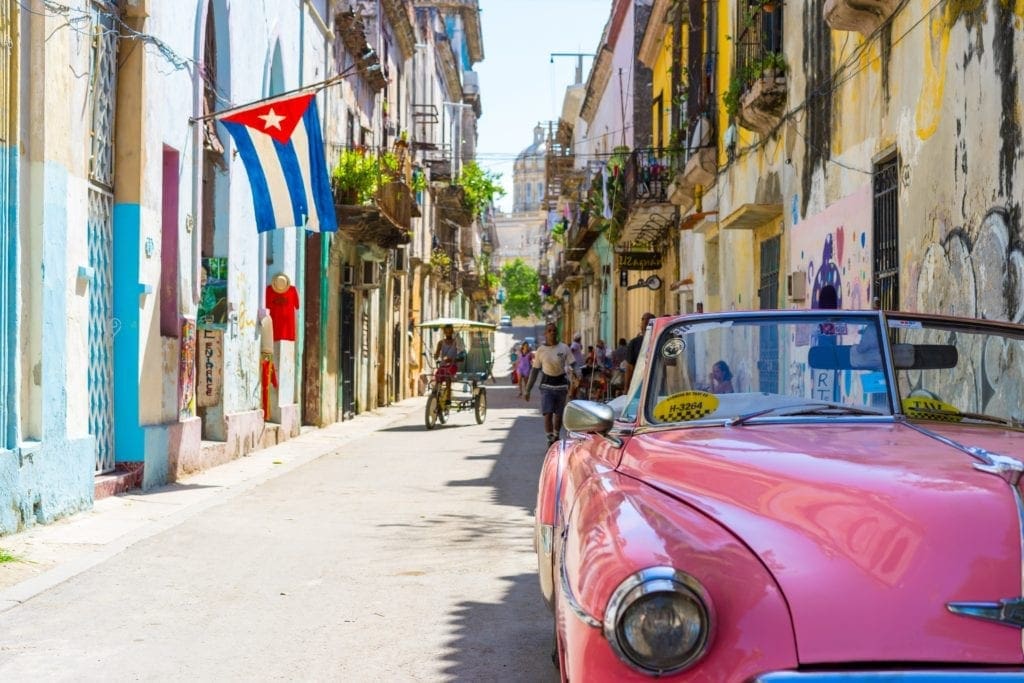 This program covers food products and basic goods such as chicken, eggs, rice, beans, and soap. Cuban Minister of Commerce Betsy Diaz Velazquez pins the blame on the Trump administration’s tightening of the U.S. trade embargo with the island nation.
Some other analysts argue that reduced amounts of aid coming from Venezuela have contributed to this new economic crisis in Cuba. Venezuela provides subsidized fuel to Cuba so that it can meet its power requirements and earn hard currency on the market.
However, there could be more to the story than these external factors. Shortages have been fixtures throughout Cuba’s history under the rule of its Communist party. Since Fidel Castro assumed control of Cuba in 1959, the Cuban state has dominated the commanding heights of the Cuban economy. This includes its implementation of price controls.
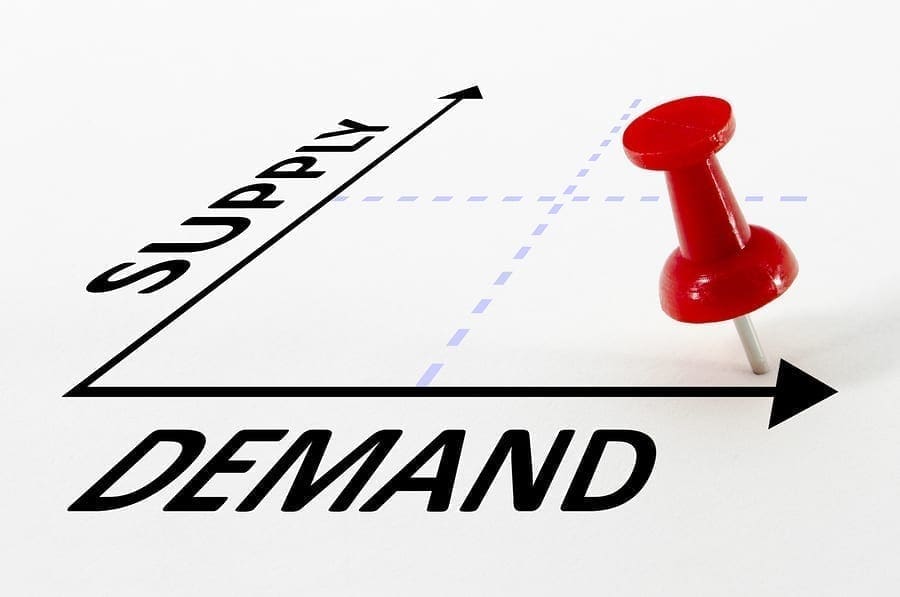
As seen on multiple occasions, most recently with Venezuela, price controls inevitably lead to shortages of the goods that they are imposed on. This is simple economics. When the price system is distorted by regulations, artificial demand for the price-controlled good emerges. If the government mandated price ceiling ends up being lower than the price that suppliers are willing to bring a good to market, shortages start to pop up.
The Cuban government enacted broad-based price controls in 2016 in response to rising food prices. Despite talk about a tepid market transition, Cuba seems to be reverting back to its old ways. Constant rationing of goods and services is typical of socialist economies which have largely undermined property rights and a rational pricing system. Indeed, Cuba is the Western Hemisphere’s first example of socialist failure.
It joins countries like North Korea, Maoist China, and the Soviet Union in the economic hall of shame. Venezuela in its current form will likely join this list of misery.
Nevertheless, U.S. sanctions are counterproductive. Ironically, they end up empowering the Cuban state and give corrupt politicians a scapegoat. By pointing to American sanctions, authoritarian leaders can keep their people distracted from the roots causes of their misery—their own government’s actions.
In the end, the Cuban case shows that the laws of basic economics continue to be violated even in present times. If Cuba wants shelves to be stocked full of goods, it should quit blaming America and embrace a normal price system and make steps towards respecting private property for once.
This program covers food products and basic goods such as chicken, eggs, rice, beans, and soap. Cuban Minister of Commerce Betsy Diaz Velazquez pins the blame on the Trump administration’s tightening of the U.S. trade embargo with the island nation.
Some other analysts argue that reduced amounts of aid coming from Venezuela have contributed to this new economic crisis in Cuba. Venezuela provides subsidized fuel to Cuba so that it can meet its power requirements and earn hard currency on the market.
However, there could be more to the story than these external factors. Shortages have been fixtures throughout Cuba’s history under the rule of its Communist party. Since Fidel Castro assumed control of Cuba in 1959, the Cuban state has dominated the commanding heights of the Cuban economy. This includes its implementation of price controls.
As seen on multiple occasions, most recently with Venezuela, price controls inevitably lead to shortages of the goods that they are imposed on. This is simple economics. When the price system is distorted by regulations, artificial demand for the price-controlled good emerges. If the government mandated price ceiling ends up being lower than the price that suppliers are willing to bring a good to market, shortages start to pop up.
The Cuban government enacted broad-based price controls in 2016 in response to rising food prices. Despite talk about a tepid market transition, Cuba seems to be reverting back to its old ways. Constant rationing of goods and services is typical of socialist economies which have largely undermined property rights and a rational pricing system. Indeed, Cuba is the Western Hemisphere’s first example of socialist failure.
It joins countries like North Korea, Maoist China, and the Soviet Union in the economic hall of shame. Venezuela in its current form will likely join this list of misery.
Nevertheless, U.S. sanctions are counterproductive. Ironically, they end up empowering the Cuban state and give corrupt politicians a scapegoat. By pointing to American sanctions, authoritarian leaders can keep their people distracted from the roots causes of their misery—their own government’s actions.
In the end, the Cuban case shows that the laws of basic economics continue to be violated even in present times. If Cuba wants shelves to be stocked full of goods, it should quit blaming America and embrace a normal price system and make steps towards respecting private property for once.
This program covers food products and basic goods such as chicken, eggs, rice, beans, and soap. Cuban Minister of Commerce Betsy Diaz Velazquez pins the blame on the Trump administration’s tightening of the U.S. trade embargo with the island nation.
Some other analysts argue that reduced amounts of aid coming from Venezuela have contributed to this new economic crisis in Cuba. Venezuela provides subsidized fuel to Cuba so that it can meet its power requirements and earn hard currency on the market.
However, there could be more to the story than these external factors. Shortages have been fixtures throughout Cuba’s history under the rule of its Communist party. Since Fidel Castro assumed control of Cuba in 1959, the Cuban state has dominated the commanding heights of the Cuban economy. This includes its implementation of price controls.
As seen on multiple occasions, most recently with Venezuela, price controls inevitably lead to shortages of the goods that they are imposed on. This is simple economics. When the price system is distorted by regulations, artificial demand for the price-controlled good emerges. If the government mandated price ceiling ends up being lower than the price that suppliers are willing to bring a good to market, shortages start to pop up.
The Cuban government enacted broad-based price controls in 2016 in response to rising food prices. Despite talk about a tepid market transition, Cuba seems to be reverting back to its old ways. Constant rationing of goods and services is typical of socialist economies which have largely undermined property rights and a rational pricing system. Indeed, Cuba is the Western Hemisphere’s first example of socialist failure.
It joins countries like North Korea, Maoist China, and the Soviet Union in the economic hall of shame. Venezuela in its current form will likely join this list of misery.
Nevertheless, U.S. sanctions are counterproductive. Ironically, they end up empowering the Cuban state and give corrupt politicians a scapegoat. By pointing to American sanctions, authoritarian leaders can keep their people distracted from the roots causes of their misery—their own government’s actions.
In the end, the Cuban case shows that the laws of basic economics continue to be violated even in present times. If Cuba wants shelves to be stocked full of goods, it should quit blaming America and embrace a normal price system and make steps towards respecting private property for once.