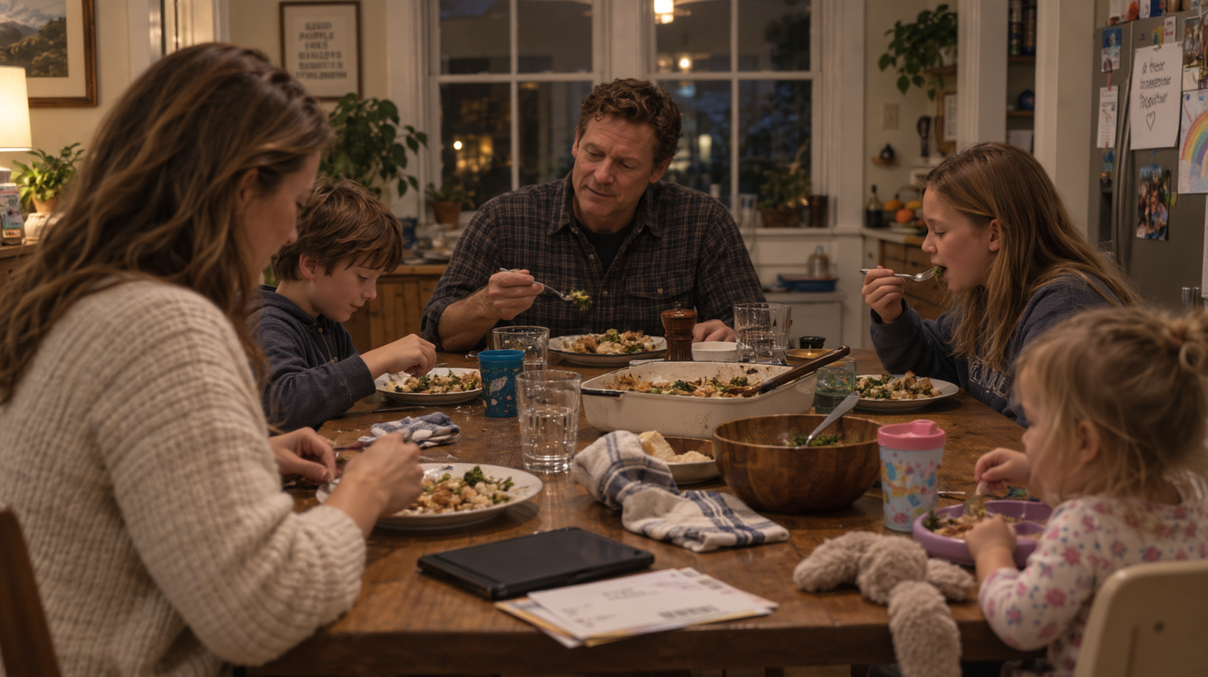

The morning of their long-planned coastal trip dawned bright and clear. The Kane family loaded the van with beach bags, snacks, and Ellen’s ever-present sketchbook, while the neighborhood feed hummed with weekend traffic updates. Alex double-checked the routing app. Three different road networks lay between them and the shore — each with its own owners, covenants, and pricing.
“Everyone buckled?” he asked.
“Lex-1 the whole way?” Phillip wanted to know, already fiddling with the entertainment screen.
“Mostly Lex-1 until the bridge, then it switches to Sentinel Road’s Lex-2 stretch,” Alex said. “My protection agency already pinged the differences — stricter speed enforcement but smoother surfaces. Premiums will adjust automatically. Our plan already covers these basic road options. No four-wheeling for us this trip.”
They pulled out of their covenant community’s roads and onto the first private artery. The road was clean, well-maintained, and sparsely populated. Overhead signs glowed with the familiar Lex-1 shield. A small dashboard readout showed their current risk score and the per-mile toll ticking upward based on speed, traffic density, and vehicle weight. Drive faster and the price climbed — a far more honest incentive than old-world speed traps.
Lana read aloud from her tablet. “The coastal enclave uses a much tighter covenant. Quiet hours start at nine, no loud music on the beach, and they screen visitors at the gate. But the reviews say the water is crystal clear and the market has the best seafood.”
“Sounds boring,” Phillip muttered.
“Sounds peaceful,” Ellen countered.
About forty minutes in, the sky darkened. A sudden summer storm rolled off the ocean — the kind that used to snarl entire highways in the old days. Rain hammered the windshield. Alex slowed automatically; the van’s insurer immediately lowered their real-time toll rate with a safety credit.
“Smart roads,” Sara said approvingly.
Then the alert chimed.
A minor accident ahead: two vehicles had hydroplaned on the Sentinel stretch. No serious injuries, the app reported, but lanes were partially blocked while private response crews handled cleanup and arbitration.
Alex took the next exit ramp onto an alternate route offered by a smaller independent network. The toll was higher, but the road was elevated and better drained. As they merged, the dashboard updated again: their protection agency had already noted the detour and adjusted the family policy’s risk profile downward for good decision-making.
“See that?” Alex pointed to a glowing marker on the roadside. “ It’s a Verdict-certified maintenance crew. They get higher pay when incidents clear quickly, so they move.”
From the parallel detour, they could see the accident across a short divide. Two tow drones and a mobile arbitration pod were already on scene. The drivers stood under an awning, tablets out, already settling fault and restitution through their insurers. No police lights. No hours-long backup. Just efficient, skin-in-the-game professionals.
Phillip was impressed. “That’s way better than the old stories you told us.”
“Much better,” Alex agreed. “Back then, everyone paid for the mess whether they caused it or not — multiple times, in fact.”
The rain eased as they reached the final leg — a scenic toll road run by an association of coastal covenants. Here the Lex-3 marker appeared: lighter rules, more emphasis on scenic enjoyment, voluntary contributions to wildlife corridors along the route. Again, the price per mile dropped noticeably once they dipped below the speed threshold.
Ellen pressed her face to the window. “Look at the ocean!”
They arrived at the enclave gate just after lunch. The guard scanned their invitation code and reputation summary. A soft chime confirmed reciprocity with their home protection agency.
What’s your political type?
Find out right now by taking The World’s Smallest Political Quiz.
Take the Quiz“Welcome to Coral Haven,” the guard said with a smile. “Please observe the covenant — it’s stricter than most, but that’s why people love it here. Enjoy your stay.”
Inside, the contrast was immediate. Quiet streets, perfectly trimmed hedges, children playing under watchful but unobtrusive eyes. The beach itself operated under yet another layered agreement: Lex-1 for basic conduct, plus the enclave’s own rules on music volume and waste.
That evening, as the family roasted marshmallows over a provided fire pit, Sara leaned against Alex’s shoulder.
“Different roads, different rules, different communities,” she said quietly. “And yet we move between them without chaos.”
Alex nodded, watching Lana and Phillips argue good-naturedly over the best way to build a sand fortress while Ellen drew the sunset.
A notification pinged on his phone — the minor detour they’d taken earlier had earned them a small insurance credit for “prudent risk management.” He smiled and showed Sara.
“See? Even the system rewards thinking ahead.”
Later, as the kids drifted toward sleep in the rented beach cottage, Alex stepped onto the deck overlooking the water. The coastal enclave’s stricter covenant created a different feel — calmer, more orderly — but he knew they would happily return home to their lighter rules in a few days.
Freedom wasn’t sameness. It was the ability to choose the flavor of order that suited you at any given moment, and to leave when it no longer did.
He breathed in the salt air and felt grateful, once again, that his children would never know anything else.