This is part two of my series. The first was the case against Germany; this is what living inside it did to me.
Something odd has been happening in America this summer: Europeans keep apologizing.
The World Cup brought them over by the hundreds of thousands, and they arrived expecting one country and walked into another. It was friendlier, cleaner, more abundant, far less frightening than the one their newspapers had described. "We owe America a huge apology," one of them said, “because America is nothing like the media tells us.”
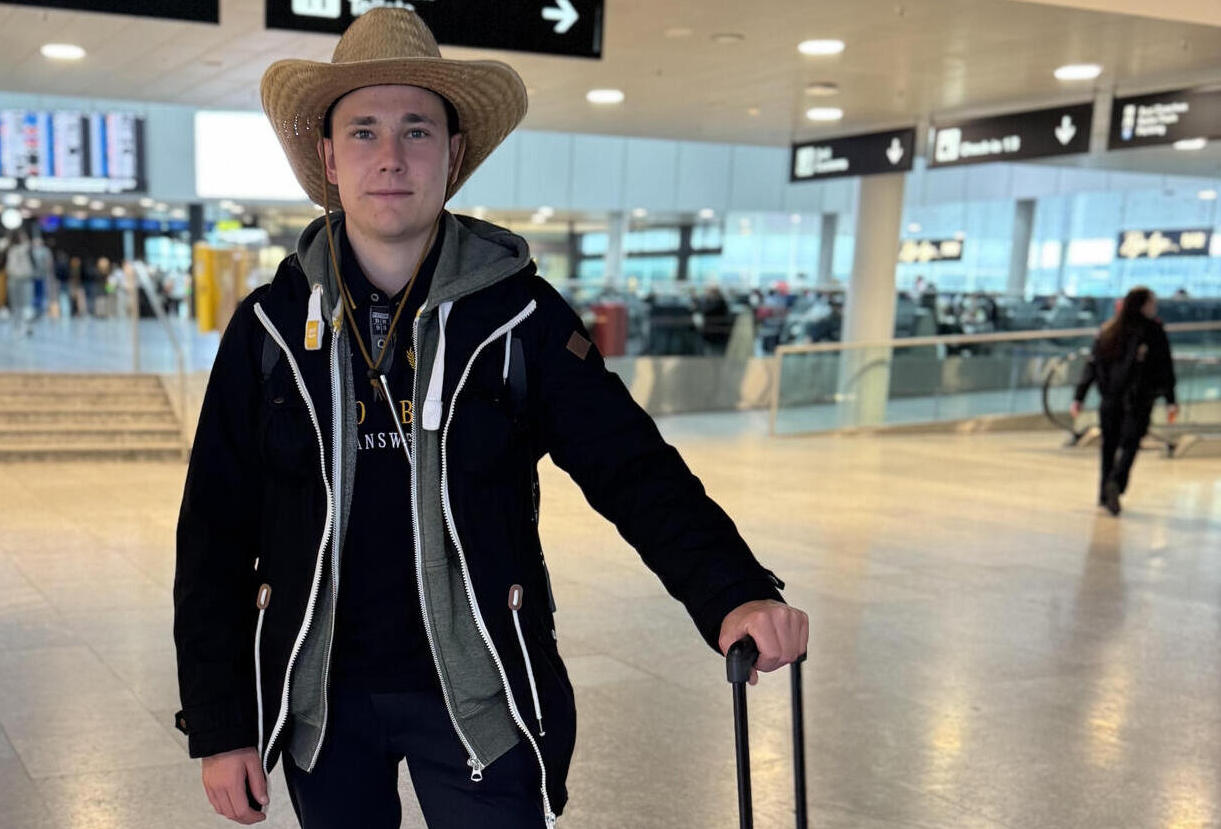
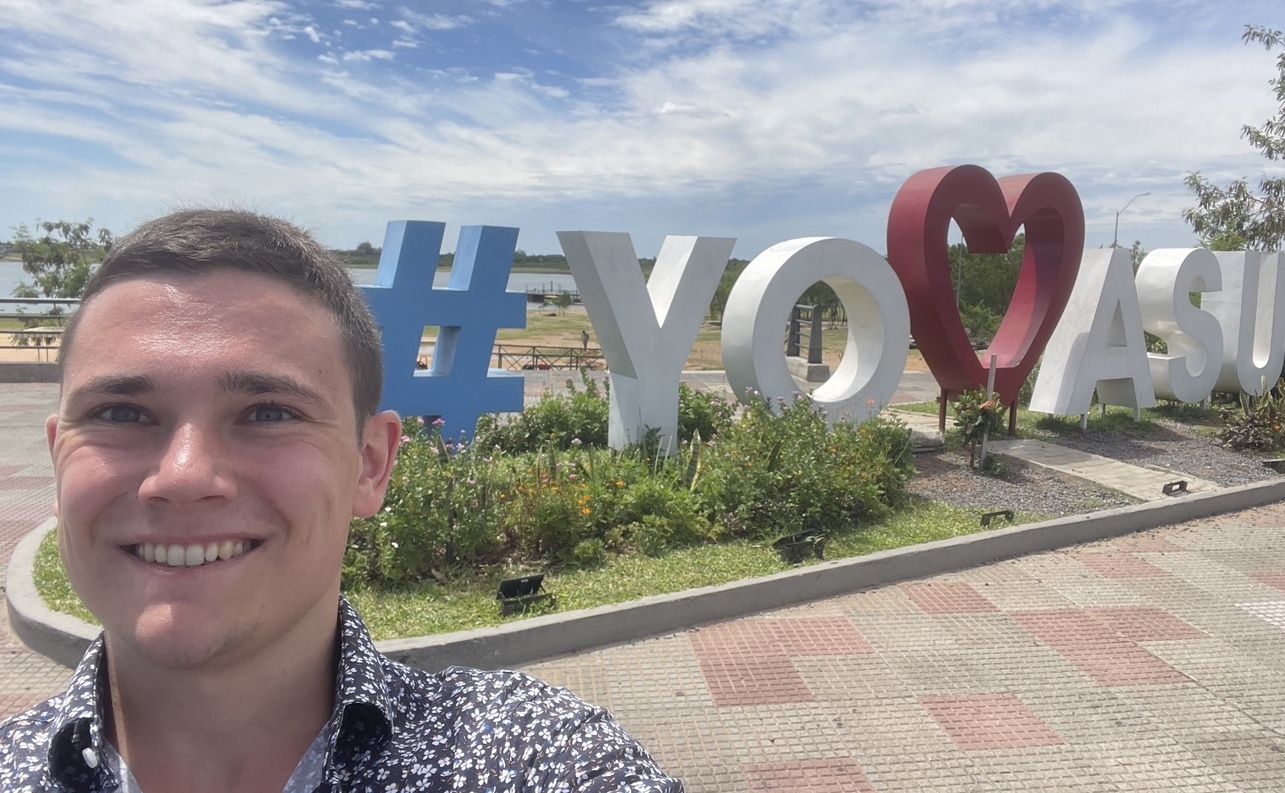
Four years ago, I found the same thing. For me, it was not a holiday. I had gone looking for a place to live. In the summer of 2022, I was a German student with one plan: leave. Destination: America.
Built On Purpose
Politicians across the West decided that a frightened public was a compliant one. With typical German thoroughness, my “representatives” put it in a document and filed it. In March 2020, a group of experts convened for the Interior Ministry to produce an internal strategy paper on how the pandemic should be communicated to the public.
To achieve the desired shock effect, it advised, the public must be made to picture the concrete consequences: the seriously ill brought to hospital by their relatives, turned away, dying in agony at home, gasping for air. Suffocation, the paper noted, is a primal fear for every human being. Children should be brought to understand that they might kill their parents.
I was not shocked when I first heard about the paper, sometime in 2022. By the time I saw the document, it only confirmed what ordinary life had already made obvious.
The Tollgate
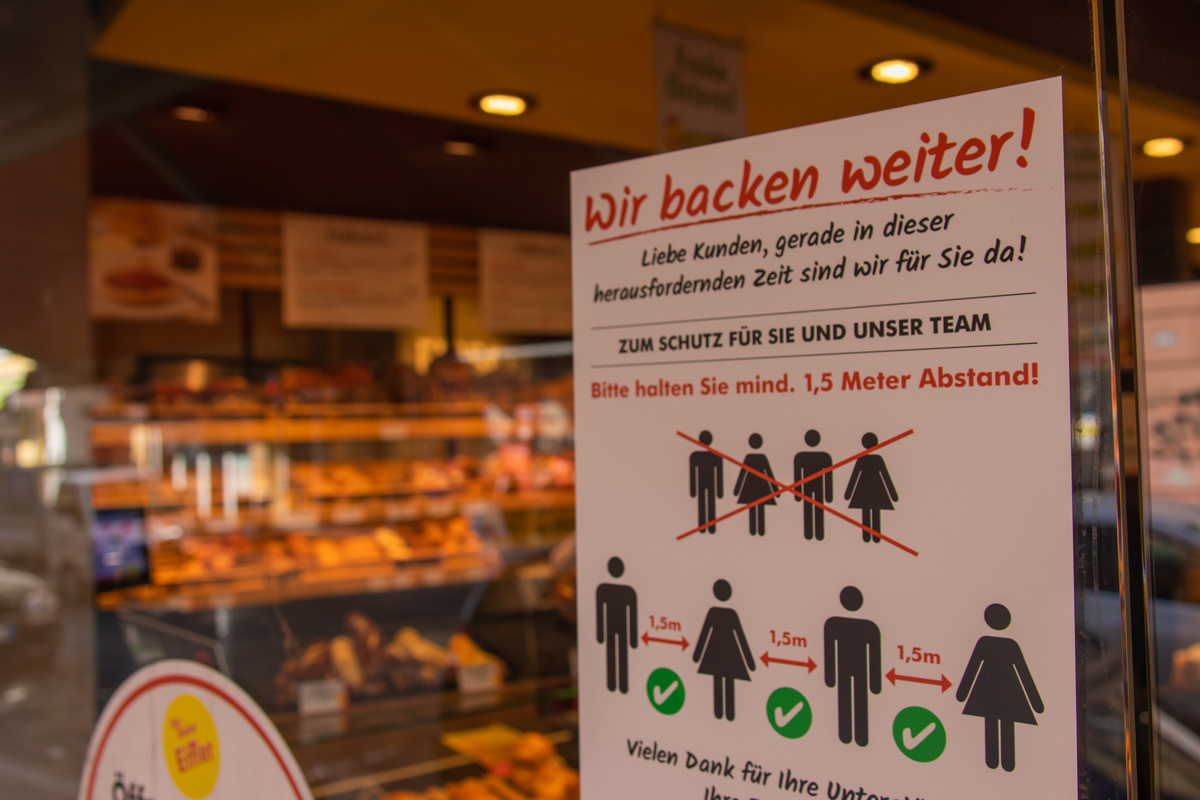
Day-to-day life had been narrowing for two years. Attending university at that time required a daily compliance certificate. Take the vaccine or produce a fresh test every morning. That’s thirty euros and thirty minutes gone before the morning had started—every day, with a student budget.
I walked through that tollgate as little as I could manage. I spent months turning it over in my mind: How long could I hold out? What would it cost me either way? What would I think of myself in ten years? It was not a good period of my life, and none of the difficulty came from the virus.
Attrition won. At the beginning of 2022, the daily cost simply beat me, and I took the vaccine. Neither out of conviction nor because there was a man with a gun. Politicians had made ordinary life expensive enough that refusing could not be sustained. It wasn’t a hard mandate, but it might as well have been.
And after taking the shot, the horror was not over. While I was still worrying about possible long-term effects, follow-up mandates were already being discussed. I was 20 years old, frightened, angry, and fighting myself internally. It was a huge effort to keep thinking rationally.
The Mechanics
I can’t remember being turned away because of a missing vaccine even once. The rules were in place; I knew they would be enforced, so I stopped going. I knew which doors would ask, so I did not walk toward them. I shrank my own life to fit through the gaps. The state never had to refuse me. I had learned to refuse myself.
What’s your political type?
Find out right now by taking The World’s Smallest Political Quiz.
Take the Political QuizThis form of tyranny does not need officers at every entrance. It only needs you to do the sorting in advance.
And in Germany, the rules were not only guarded by officials. They were guarded by everyone standing around you. A door stays open unless somebody decides to close it. In Germany, there is always somebody.
Neighbors reported neighbors and called it solidarity. Others were complete hypocrites. One of my study colleagues defended the measures in public. In private, he did not wear a mask consistently and went on seeing whoever he liked. He split in two, endorsing the system in public and ignoring it in private.
I stopped wondering how the Stasi had ever found so many informants— neighbors and colleagues, sometimes husbands and wives, who had been told a frightening story often enough by people who sounded official. They found it easier to believe it than to look at it.
After years of fear, anger, and philosophical investigations, I was done with the idea of a home country. My worldview changed: the cage is not built by the government alone. It is held shut by the people standing next to you—and, if you are not careful, by you.
America
I took an internship at SAP, Europe’s biggest software firm, and flew to California. Could this be a new home?
I landed on the third of July, 2022. My first full day in the country was the Fourth, watching fireworks by the water in San Francisco with a few hundred strangers. Warm night, smell of gunpowder and barbecue, nobody at the gate checking anything. It was the easiest I had felt in two years.
This was California, the state my own corner of the internet writes off entirely. But daily life there was ordinary, decent, and remarkably unbothered. People assumed their lives were their own and extended the same assumption to me.
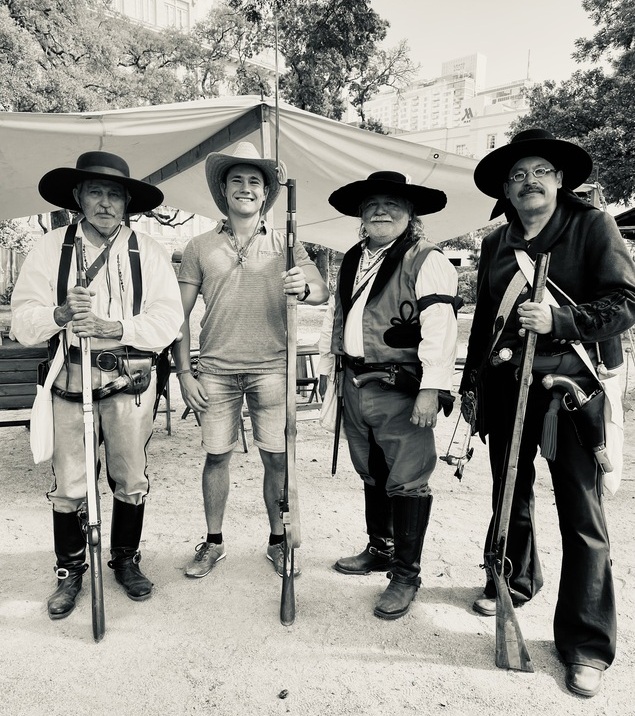
A colleague told me that this is how real America is, if you stay out of the few crazy places. Then he took me to a shooting range. I had never held a rifle before. He put the gun in my hands the way you would pass someone a tool, showed me how to stand, and stepped back. The noise came up through my shoulder.
Nobody asked me for special documentation. A few months earlier, I had needed a piece of paper to sit in a lecture hall. Here, a stranger put a rifle in my hands and asked me for nothing at all.
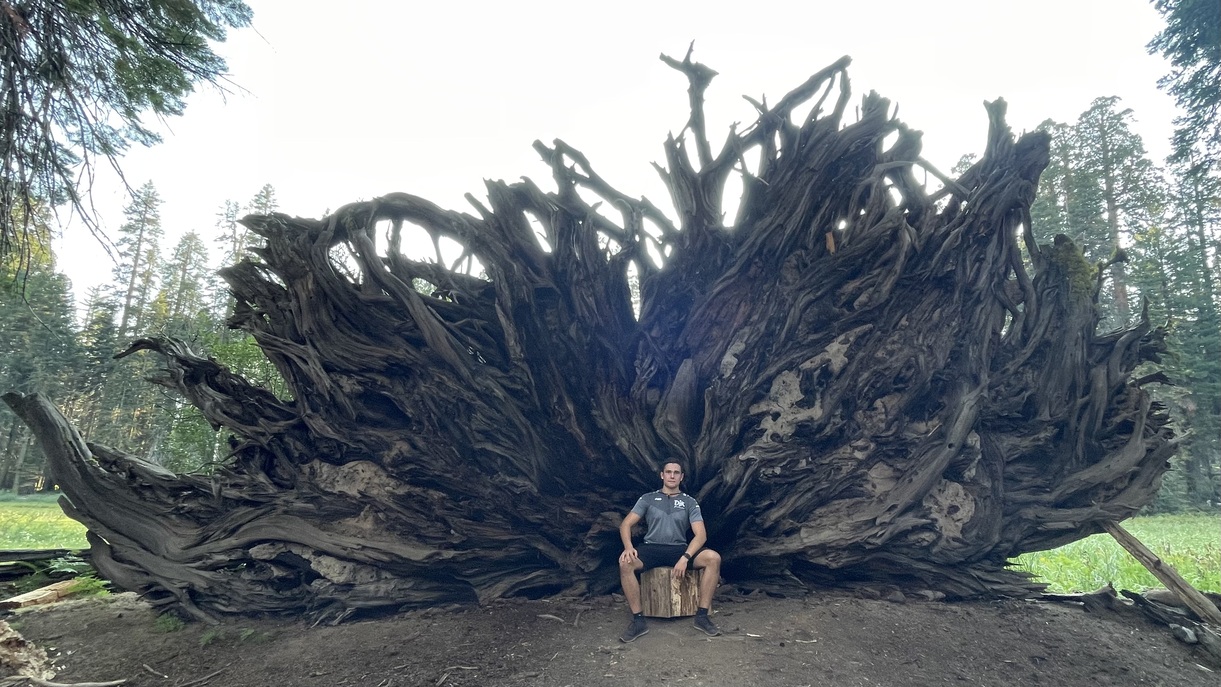
On other weekends, I walked through Sequoia and Yosemite and ran out of words. I stood under trees older than the republic feeling, for once, usefully small. Years later, it is still the summer I measure others against.
The Other Side
It was not paradise. In San Francisco, I passed parked cars with notes left in the windows begging thieves not to break the glass. The food genuinely horrified me: every package announcing itself as healthy, keto this and keto that, with ingredient lists a paragraph long. Your health, like your freedom, is something you have to take into your own hands.
I spent my last two weeks in Texas. Three days before I flew out, I managed to speak to a girl—fifteen minutes and a phone number, which at that point in my life counted as a personal triumph. Nothing came of it, and nothing could have. But it belonged to the same feeling as everything else: I was leaving a place where things had only just started.
My Life
I left with mixed feelings and no intention of staying away for good. What I took home with me was the comparison, and it was not close. I had spent years being worn down and one summer being left alone.
The internship did not turn into a job. For months afterward, I worked the problem from Germany—calls, contacts, internal openings. Everyone was encouraging, but nothing moved.
I knew what I had going for me—in my twenties, unmarried, nobody depending on me. I had started refusing myself before anyone else got the chance. Once I saw it, I could not unsee it—and I was not willing to spend the rest of my life doing the sorting for my political overlords.
Self-government is about taking responsibility for yourself—about doing all you can to preserve your own freedom. That doesn’t mean that every decision you make will be the right one. But at least it will be your decision!
So I kept looking. America was behind me, but the world is large. Where I went next is the subject of the next installment. It was the first place that ever felt like mine.