I gave myself three weeks in Paraguay to decide whether to move there. This is what a country with a light government looked like up close.
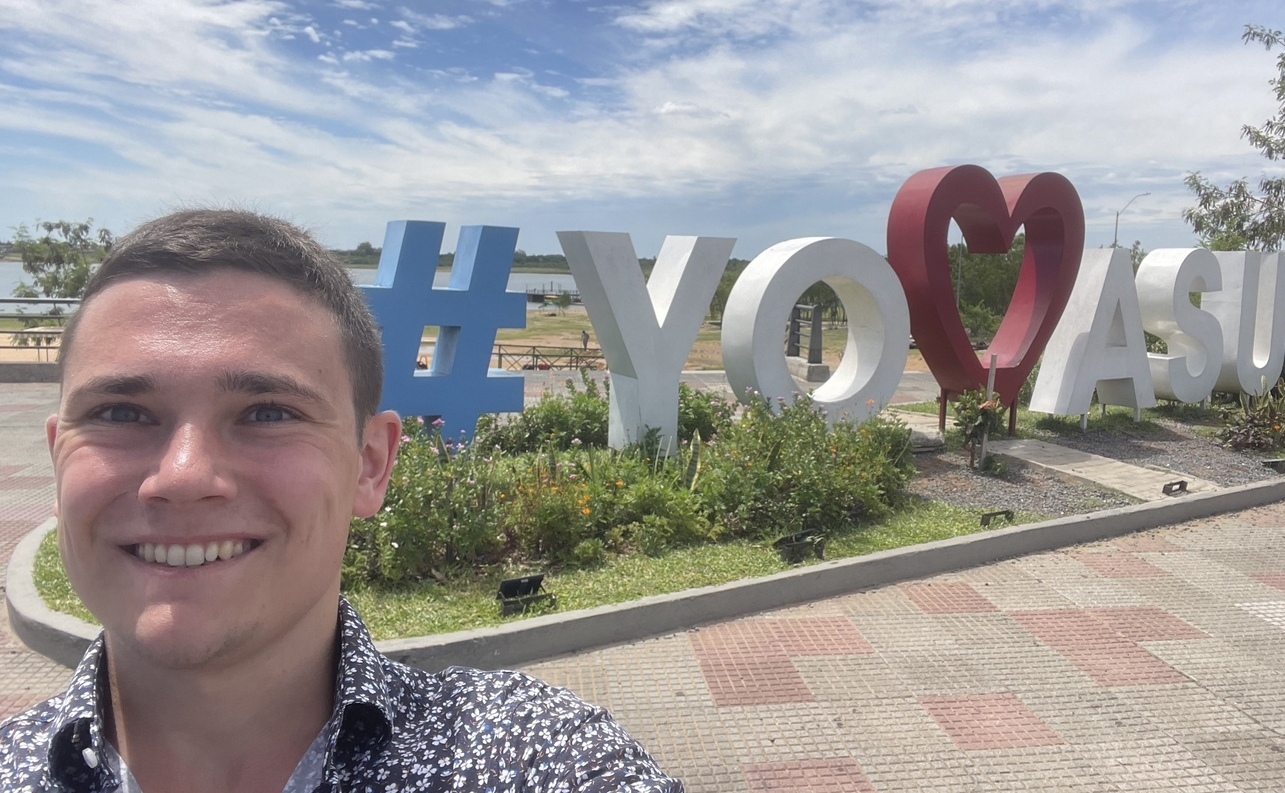
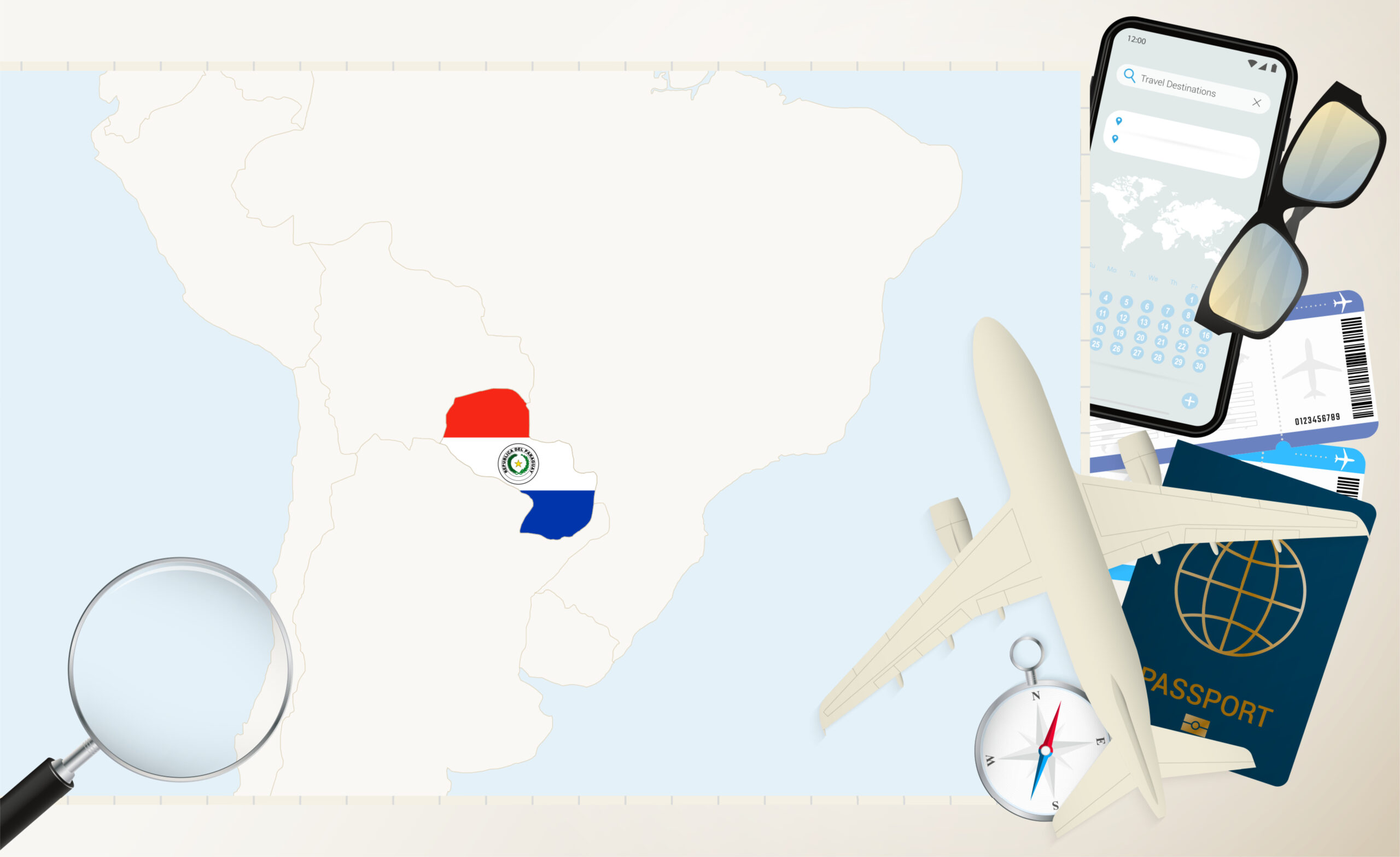
In November 2024, I landed in Asunción, the capital of Paraguay, with a folder of certified documents and a return ticket to Germany. I had never set foot in the country. Heck, I had never set foot on the continent.
I had chosen it from a desk in Germany. First came the Covid years that made me want out, then a summer in America, then a long search that ended on a country I knew only from research. The last installment explained why Paraguay survived the filter. Now it had to survive me.
The plan was simple. File for residency while I was there, whatever happened. Look at everything. Decide at the end.
First Impressions of Asunción
I was not surprised. Genuinely delighted, but not surprised. That is the most honest summary of those three weeks.
Asunción is no postcard. Paraguay is a middle-income country with problems and a long way still to go. You see it from the car window. Many homes are not up to Western standards. But I also saw very few people sleeping on the streets. A bad roof still beats no roof.
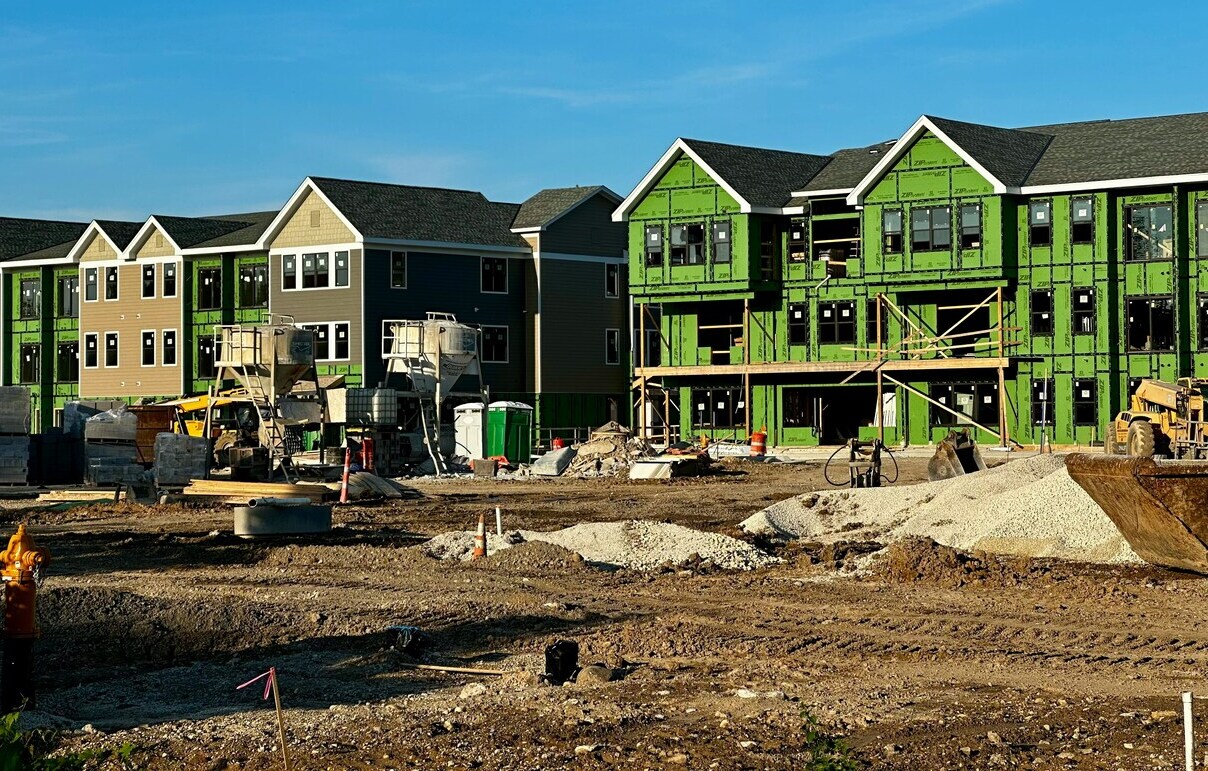
Nonetheless, the city is making progress. Cranes stand over the skyline, and the buildings under them get finished. That stands in stark contrast to Germany, and it still makes me smirk. In Germany, there are cranes and construction too, but the focus seems to be on disrupting everyday life—a dug-up road, a fence around it, and nobody working on it for months.
In the newer parts of town, I forgot a few times that I was not “at home.” I found a clean environment, modern gyms, and snug cafes where you can sit for hours. The shopping malls work as the town square—smaller and less polished than their American cousins, but recognizably the same creature.
The Cost of Living in Paraguay
While American cities put fast food on every corner, Asunción puts a grill there.
Fourteen ounces (400 grams) of high-quality beef, a drink, and the tip came to 15 to 20 dollars. In an expat group, a fellow foreigner wrote,
We tried to break a hundred $ at la Cabrera [one of the most expensive steakhouses]. Not possible. I love paraguay.
In a second message, he added
What’s your political type?
Find out right now by taking The World’s Smallest Political Quiz.
Take the Political QuizWith tip $95. I tried to spend that much at La Cabrera’s and couldn’t do it. Even with 3 whiskey drinks.
Grills are built into private homes. In apartment complexes, if there’s none on every individual balcony, you’ll find one on the shared terrace. Asado, the local form of barbecue, is social infrastructure here.
A ride across town to the airport took 30 minutes and cost about four dollars. The car arrived within minutes of ordering it. (Rides generally arrive fast. You rarely wait more than five minutes.)
Prices in dollars have moved since. The guaraní, Paraguay’s currency, has gained on the dollar, from about 7,800 per dollar in November 2024 to below 6,000 in October 2026. Anything priced in guaraníes now costs about a third more in dollars, before any local price increase. Even so, the best cuts of beef run about seven dollars a pound (16/kilo).
Everyday Life Under Paraguay’s Small Government
I had read about low taxes and light regulation for months. On the ground, small government mostly looks like people getting on with things.
With German overregulation, everything is slowed down. Worker-protection laws and minimum wages discourage employers from hiring. Although Paraguay has some similar laws, the barriers to hiring are lower. Companies can hire more workers in less time, and more hands means faster service and more people earning a living.
Buildings go up just as quickly. A building plan that meets every requirement is usually approved in two weeks or less, says Nicolás Chaparro, who directs building permits for the city. More than 20 of Asunción’s 26 towers of 100 meters (about 330 feet) or more have been finished since 2016.
Even my residency application was undramatic. Someone who knew the process handled most of it, and I sat through a visit with officials who asked me a few questions.
Paraguay does not put huge hurdles in immigrants’ way. At the same time, it does nothing to attract people who would rather live off others. You cannot expect help from the government. If you come here, you have to be able to feed yourself.
In my personal life, I cannot stand it when there is no plan and everything happens spontaneously. In an economy, however, that is exactly how it should be. Paraguay gives you both.
In my personal life here in Paraguay, that means a lot of spontaneous encounters. (Frustratingly, it can also mean plans that get canceled on a whim.) In the economy, it means things get built without anyone planning them first. The grills on the terraces, the malls as meeting places, the people who earn a living walking foreigners through paperwork—none of it came from a ministry. People built what they needed. And that is exactly what we should want in an economy.
And the people are warm. From the first meeting, they treated me like someone worth talking to. In return, the least a newcomer owes is respect for the people who were here first. (I would only find out later how well that warmth holds up once you actually need something done.)
Surprises in Paraguay: Food, Language, and Safety
A funny surprise was “sopa paraguaya,” a national staple. The “Paraguayan soup” is actually a dense cornbread.
A not-so-funny surprise was the language. I had been intensely learning Spanish for over a year—an hour a day. My Spanish was nowhere near excellent, but I could speak Spanish.
I could not understand Paraguayans. The local accent hit me the way a Scottish accent might hit an American or the way Swiss German hits a German.
I would order dinner and could not follow the answer. Although Paraguayans are quick to switch to English if they know it, many do not speak it. Worse, many keep speaking the same way even when you are clearly lost. They do not mean it to be rude; it is simply how they talk.
I still remember a long Uber ride from Asunción to San Bernardino, a resort town on Lake Ypacaraí. The driver took a wrong turn and said something I could not follow. He asked again, and I signaled that I did not understand. Then he did what he thought was best, and for the rest of the ride, I half expected to end up somewhere else entirely. He got me there.
Safety was what people back in Germany asked about most. Common sense applies here as it does everywhere: I was careful not to wave an expensive phone around or wear jewelry, and I stayed out of poor neighborhoods late at night. I never felt unsafe, and I never felt my belongings were at risk.
The Decision to Move to Paraguay
At the end of the three weeks, I flew back to Germany with a residency application filed and my decision mostly made. Somewhere between the grills and the cranes, “maybe” had become “probably,” and “probably” had become “yes, unless something changes.”
I had flown out of a Paraguayan summer into a German November: cold and wet, too mild for snow, and dark by late afternoon. Within two weeks of landing, I sat down for an hour.
Same room. Same desk. Same chair. Same laptop on which I had once asked an AI model where in the world I should live. I thought about work and money. I thought about how the three weeks had felt. I thought about what I wanted my life to look like.
Then I decided to go.
I felt lighter at once. An open question wears on you. A decision, even a wrong one, lets you look forward again.
That hour is what self-government looks like for most of us. It is not a protest or a manifesto. It is a decision about your own life, made on evidence you gathered yourself, that nobody else had to approve.
No one has to pack up for South America for this. But anyone can do what I did: Take out an insurance policy before you need it. Which country would take you? What papers would it ask for? What would it cost? A researched option is one you can actually use.
The vacation is over. The change is not.
What my first year looked like, once the vacation feeling wore off, is the subject of the next installment.