
The last installment ended with a name—Paraguay—a country I had found after extensive research. It survived every filter I had: the taxes, the crime, the welcome. Two years on, I live here.
But one thing could still ruin it.
I am not a tourist; I am an expat. Now that I am here, I see why tourists in various countries get a bad name. Most of the time, they behave themselves, and just a few are a nuisance. But recently, some headlines about sex tourism in Paraguay made me wonder if all foreigners here might get a bad name.
But first, a little bit about my wonderful new home…
How Much Tourism Is There in Paraguay?
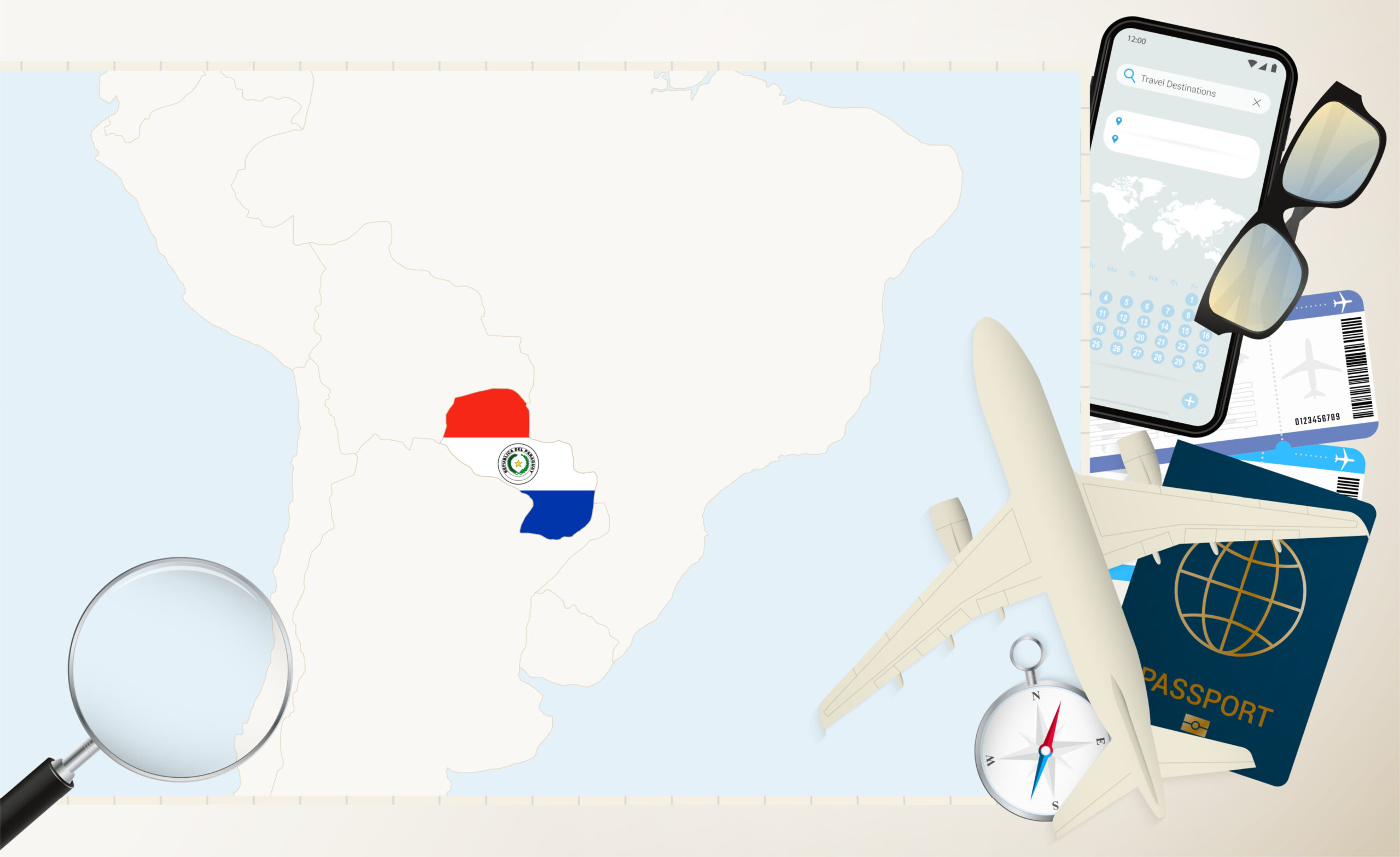
Paraguay is one of only two landlocked countries in South America. It sits on no major route. Asunción’s single international airport reaches only nine countries. There is no coastline, no famous ruin, nothing anybody crosses an ocean to photograph.
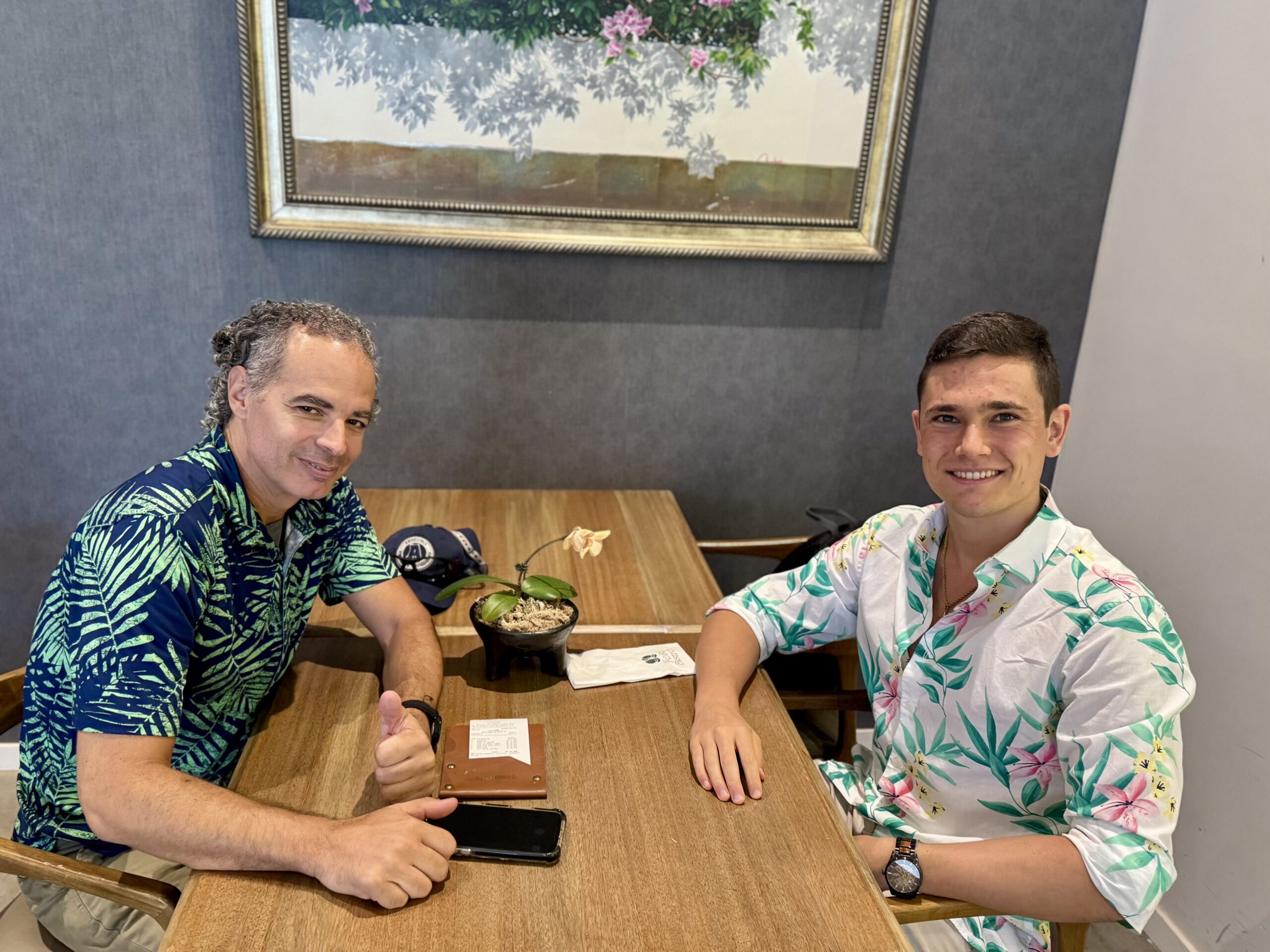
The lack of ocean beaches always bothered me. For about half the year, temperatures top 100°F and there’s no sea? Come on. But one day, over an asado (a traditional meal of grilled meats) at a fellow expat’s birthday party, a Frenchman told me that I had it backward.
The fact that Paraguay is off the beaten track is a feature, not a flaw, he explained. Foreigners who come to Paraguay aren't lifestyle travelers—they come in spite of the lack of tourist spots. They want to be here because they want to live in a free country with a conservative culture. He had left France for the reasons I left Germany, so we had that in common.
The inconvenience of arriving here filters out many people—including many who might come for the wrong reasons. Although I do not agree with the typical expat on everything, a search for freedom unites most of us.
Benefits of the System in Paraguay
By the end of my search for a new home, my requirements had hardened into five:
Taxes low enough to feel like a contribution, not an extraction. Company profits, VAT, personal income—none of them above ten percent. Check.
Crime low enough that ordinary movement stays ordinary. With 6.8 per hundred thousand, the homicide rate is lower than in multiple American cities. Although this is almost eight times worse than my country of birth, Germany (0.9 per hundred thousand), Paraguay is at least trending in the right direction: On the Global Peace Index, Germany fell from 16th to 28th over the last decade, while Paraguay rose from 80th to 64th.
Politics dull enough that news and partisanship don't color daily life.
What’s your political type?
Find out right now by taking The World’s Smallest Political Quiz.
Take the QuizStability boring enough to plan around. The dictatorship fell in 1989; the constitution that replaced it has held since 1992, and no government has been taken by force since.
And locals relaxed enough about foreigners that a life here is pleasant all around, not just a legal status.
Furthermore, Paraguay is a young country. The median Paraguayan is 27. While the birth rate has collapsed where I come from, Paraguay’s is still well above replacement level. Thus, I don't have to fear a pension crisis here anytime soon.
Making the Decision to Immigrate
In November 2024, I flew here for the first time, carrying a folder: birth certificate, police clearance, and passport, each apostilled. My plan was to check out the country to see if it resembled the picture I had built in my head after months of research. I gave myself three weeks to decide, though I planned to file for residency while I was there, whatever those three weeks showed me.
From the point of view of everyone I knew in real life, that was crazy. A reasonable person visits, forms an impression, and then decides. From most expats' perspective, it was crazy too, though for a different reason. Many here were so eager to leave their country of origin that they didn’t bother doing much research at all. They were just happy to be gone.
My way was a deliberate in-between. I have not met a single expat who did as much research before the move. I came well-prepared, and I wanted to secure residency as insurance in case things went wrong in Germany again.
The Welcoming Culture of Paraguay
I had chosen well. Paraguay is a great country: small government, low taxes, little crime. On top of that, locals welcome foreigners: there are few foreigners here, they bring money to the economy, and they want to be here.
On that first trip, I rented a room in the home of a local family. One Sunday, they invited me to a private mass and afterward to an asado. I had been in the country only a matter of days, yet they welcomed me with open arms and no hesitation.
Unfortunately, a new trend has arisen that may alter this welcoming attitude toward foreigners.
Sex Tourism Risks Alienating Paraguayans
In March 2026, a party was advertised in Asunción, billed as the largest gathering of foreigners the city had ever seen. Gringo Night was run by an Italian who had lived in Paraguay for years.
“350+ Local girls and 150+ foreigners on the list already,” read the advertisement.
A party ad promoting a huge number of female guests? Nothing unusual there. But a party ad promoting a huge number of “local girls” to a clientele of foreigners? Shady.
The local press covered it as sex tourism with a cover charge. The organizer answered that interaction between single people is natural, which is true. But the circumstances do not paint a good picture: Latin America, a poor population, and wealthy foreigners who are fed up with “the women at home.”
Locals are beginning to notice the pattern of passport bros arriving for the women. As Paraguayan TikToker Fabrizio Mendoza noted, “It verges on the murky.”
Will a Few Bad Apples Spoil the Barrel?
My political philosophy teaches that I am an individual, first and foremost. Likewise, I must also judge people as individuals, not as parts of a group.
Most people here have done the same for me. If I am judged as part of a group, it is usually with positive German stereotypes.
However, if other expats start behaving like they are better than the rest, my positive image might get tarnished. And, unfair though it may be, if foreigners start engaging in shady or exploitative behaviors, all of us expats—who have chosen Paraguay out of respect for its culture and people—may have a harder time earning the trust of our hosts.
And Paraguay truly is a trusting place. Some paperwork and a small fee were all it took to be admitted. No integration exam, no points system, and no committee weighing whether my profession will serve the “national interest.”
Paraguay assumes that somebody who arrives on purpose is probably worth having. That is a rare piece of trust. But trust like that is not set in stone. Countries that stop trusting foreigners do not announce it. They add an exam, a points system, a committee.
The overlords I left will not be the ones who ruin my life—I’m beyond their reach. But other expats here could very well do that.
Character Is a Lifelong Practice
Self-government does not stop when you land somewhere better. Once the paperwork was done, my job got simple: Live by example, and do not become the reason this place stops being what I came for.
People before me left the door open for me. Wherever you live, you are living off somebody else’s good behavior. Nobody is going to make you keep it up. As responsible individuals, our task is to pay it forward.
I did not choose a country that is hard to reach by accident. Nobody can legislate the thing that protects it. It stays protected by how those of us who arrived behave, or it does not stay protected at all.
What those three weeks actually looked like—the grills, the prices, the cranes over Asunción—is the subject of the next installment.