












Beta

Password Reset Confirmation

If an account matching the email you entered was found, you will receive an email with a link to reset your password.

Welcome to our Beta

The Advocates of Self-Government is preparing a new experience for our users.

User Not Found

The username/email and password combination you entered was not found. Please try again or contact support.

Skip to main content

Quizzes & Apps

Articles

Tag: Edward Snowden

Will Coronavirus Response Erode Our Right to Privacy?

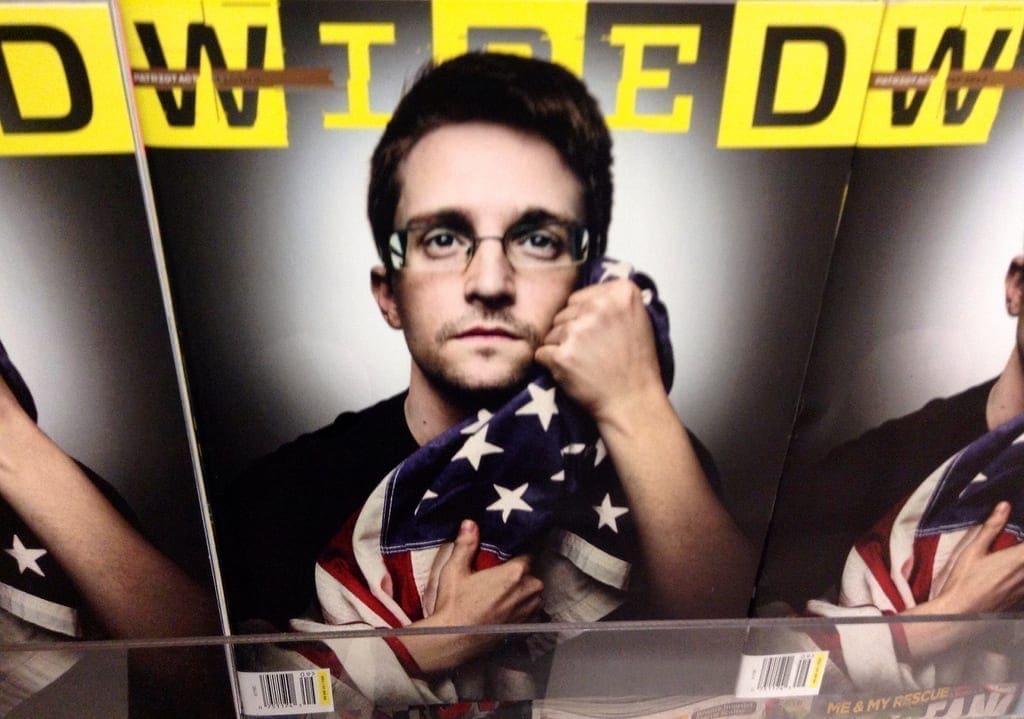
As White House coronavirus task force member Dr. Deborah Birx states that outbreak projections widely spread by the media aren’t always what they seem, there’s a growing number of public figures pushing the narrative that America should be more like South Korea.  privacy coronavirus south korea Claiming the small east Asian country of 51 million people is ahead of others in its fight against COVID-19, politicians and members of the media are making the case that America should embrace a similar approach. However, few proponents of this idea are discussing how the South Korean government uses phone and credit card tracking to require people to get tested, and then to ensure that those who have tested positive for the virus aren’t breaking their quarantine.  In addition to using tracking to enforce mandatory rules, the country is also exposing gathered data to the greater population in the form of an app that gives residents knowledge of coronavirus “hot spot” areas. While the app itself does not publish personal information related to those who have fallen ill, it does demonstrate how far the South Korean surveillance mechanisms can go.  Embracing Surveillance In America, privacy concerns have been under the spotlight for years since former NSA contractor Edward Snowden reported on America’s secret surveillance programs, but in more recent years, apathy replaced concern, and the U.S. government once again ramped up its efforts to boost its surveillance apparatus.  With the alleged threat that COVID-19 may pose, the U.S. government has a great excuse to put those capabilities to use like South Korea and even China before them. What’s left for us to find out is if the pro-privacy spirit that was so evident when Snowden came forward remains alive among those who now fear for their lives and health.  In an article for Forbes, cybersecurity contributor Zak Doffman explains that as government leaders use terms such as “the invisible enemy” when referring to the virus, we find ourselves more openly supportive of making privacy compromises.  If the goal is to win this “war,” the sentiment goes, then the government can and should do anything in its power, and that includes partnering with tech companies such as Facebook and Google to track citizens, enforce quarantine rules, and threaten those who defy government orders.  As a matter of fact, the Washington Post reports that the Trump administration is already “in active talks with Facebook, Google and a wide array of tech companies and health experts about how they can use location data gleaned from Americans’ phones to combat coronavirus.”  While “combating coronavirus” sounds wholesome, it is what’s beneath the surface that should be scary. After all, as we become gradually comfortable with the government tracking our health and whereabouts through social media and smartphone tech, we will also grant bureaucrats access to much more than what kind of viruses lurk inside our throats.  Are we willing to tolerate this violation of privacy? And if so, why pretend we hold to a Constitution that defends our right to remain free from unwanted or undue intrusion in our private life and affairs?

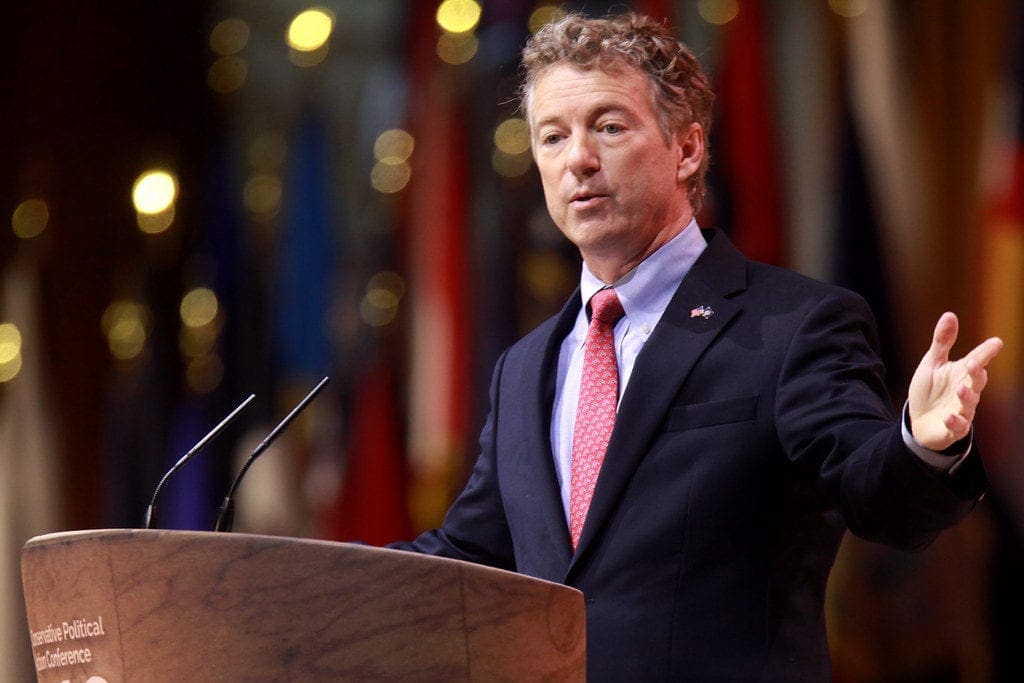
Rand Paul Exposes ‘Fake Outrage’ Over Trump Whistleblower With Bill to Protect Snowden

Political theater is rarely entertaining but Senator Rand Paul stole the show when he forced an early curtain call on senators pushing a phony whistleblower resolution. Paul introduced a bill that retroactively protects Edward Snowden and applies the Sixth Amendment to the president. On October 30, Senate Democrats showed that they will support or reject legislation based on a single factor of whether or not it helps impeach President Donald Trump, even if it’s a symbolic gesture. That’s why Senate Minority Leader Chuck Schumer of New York and Senator Mazie Hirono of Hawaii were so perturbed when Paul blocked their move to reach unanimous consent to pass a resolution that purports to honor “the contributions of whistleblowers.” “Not one of these people who fake outrage over this whistleblower and President Trump and the impeachment, not one of them will stand up for Edward Snowden,” Paul stated. “They would still put him in jail for life if they could.” In response, Hirono didn’t dare name Snowden but instead called Paul’s bill “laughable” because it restored the Sixth Amendment of the Constitution to the president, who under current rules is being prevented from facing his accuser, an ex-CIA agent who worked for Vice President Joe Biden on Ukraine.  This whistleblower’s name, Eric Ciaramella, is known widely in Washington, D.C., and has been printed in RealClearInvestigations, but he is both closely guarded and highly praised by many in power who hypocritically turned their backs on Snowden or even favored the death penalty in his case. Paul educated a reporter from The Hill on the legality of naming the whistleblower last week. The whistleblower is also a key witness to the alleged corruption of Biden, and his son Hunter, who received $50,000 a month from a Ukrainian energy firm under investigation by a Ukrainian prosecutor who Biden had removed in a quid pro quo arrangement. It’s always a good time to remind the U.S. government and the American people of the injustice done to Snowden, the greatest whistleblower of our time, who revealed illegal mass surveillance conducted on virtually all Americans. Tired and debunked shameful smears against Snowden erupted on Twitter after Paul invoked his name. Snowden isn’t a true whistleblower, they claim because he didn’t go through “proper channels.” Forget that Snowden’s peers – other whistleblowers charged under the Espionage Act, like Thomas Drake, did go through proper channels and were still denied an opportunity to present their case to a jury. Snowden, as a government contractor, didn’t have access to even the same protections that people like Chelsea Manning or Daniel Hale had.  Paul’s brilliant move left the Democrats openly choosing style over substance. The Trump-Ukraine whistleblower, a Democrat himself, is held up as a hero while Snowden is left exiled from the country he served with honor, all because the political show must go on.

Snowden’s Non-Profit Releases Tools To Protect Journalists, Whistleblowers

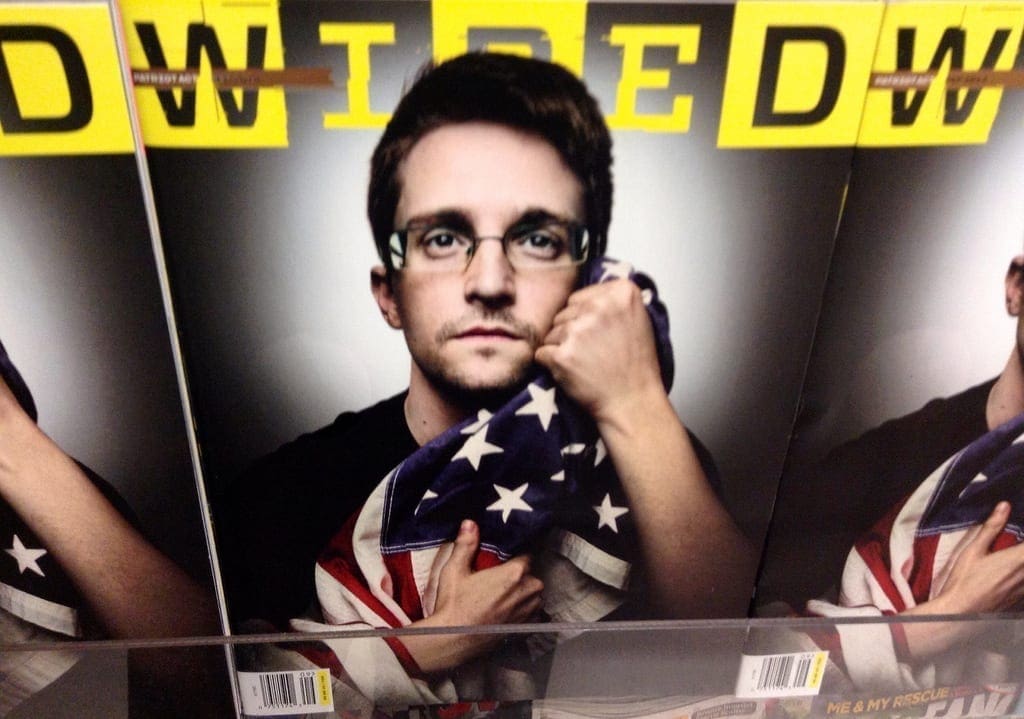
Edward Snowden is the gift that keeps on giving. At least for us, libertarians. Not only did he blow the whistle on the federal government’s lack of care for Americans’ privacy rights, but he did so responsibly. Now, after having been the victim of persecution for almost four years, he’s helping to continue the revolution he helped to ignite. By giving others the tools they need to remain safe when doing the same he had to do. Non-profit According to Wired, Snowden’s non-profit Freedom of the Press Foundation is releasing a series of tools to help journalists and newsrooms to ensure their sources and communications are secure. This would shield whistleblowers like Snowden himself, giving them the incentives to report on wrongdoing committed by government employees and elected officials. An important task, considering the real threats journalists suffered in the past years while attempting to maintain their sources protected. In 2015, for instance, it was revealed that British spies had had access to emails from most major newspapers and wire services in the country. In late 2016, Montreal police had tracked phone calls made by a reporter in order to identify his sources. Unsurprisingly, the target of the investigation had been critical of the law enforcement agency. More recently, the current US president Donald Trump called on Congress to investigate leaks made to NBC news. As the Freedom of the Press Foundation’s phone continues to ring off the hook for information on how to stay protected, the organization has launched a list of features and tools such as SecureDrop. The tool that functions through Tor, and that allows whistleblowers to make secure uploads of documents or leaked materials. Sunder is another tool Snowden is helping to popularize. It was built as a coder for Signal, and because it requires passwords from multiple individuals so that the encrypted data is available, it will also keep sources secure. Aside from these two tools, Snowden also helped to design an iPhone case that alerts the user if phone’s data is being transmitted without his knowledge, as well as a new version of Jitsi, an encrypted chat software that would be designed for newsrooms use. While privacy advocates cannot fix the surveillance problem overnight, Snowden said about his organization’s goals, building a shield that will help to protect whistleblowers may do the trick. Instead of sitting on his hands, watching the surveillance state grow massively with each new administration, Snowden took matters into his own hands. Developing his own solutions while supporting those who do the same. Living freely, in spite of government overreach.

Why It Matters That Vizio Collected Personal Data For Years

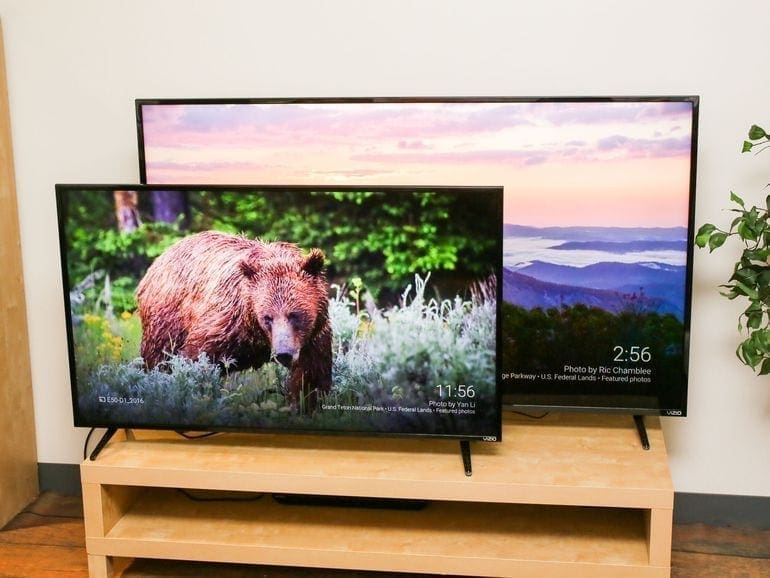
In the age of smartphones and mass Internet communication, it isn’t a surprise to learn that smart TV makers like Vizio and Samsung have been gathering and storing personal user data for years. What’s surprising is to know that some continued doing so without letting its customers know anything about it. vizio While this action alone is grounds for a lawsuit, going to the courts won’t guarantee government agencies such as the National Security Agency (NSA) won’t explore this privacy breach. And that is the problem. The security breach was unveiled after the Federal Trade Commission (FTC) struck a $1.2 million settlement with the smart TV vendor Vizio. The agency alleged Vizio had used its smart television sets to track user behavior starting in 2014. While this action isn’t uncommon, Vizio failed to disclose this information to consumers and potential consumers. For years, the company advertised its “Smart Interactivity” feature by claiming it was designed to “program offers and suggestions.” Nevertheless, suggestions were never made. Instead, the company collected a great variety of consumer data, such as IP addresses, metadata, and much more using its interactivity feature. And without alerting consumers. According to the FTC complaint, the company was so good at collecting data that it was able to “[append] specific demographic information to the viewing data, such as sex, age, income, marital status, household size, education level, home ownership, and household value,” selling this information to third party organizations. These organizations then used the info to target advertising to certain consumers. Of course this was the only issue brought up by the FTC. And not the fact that law enforcement agencies could have explored this breach in order to boost its surveillance of households across the country without using due process or respecting the U.S. Constitution. But as a consumer, the individual has the power to sue a company or service provider that broke its contractual obligations. As a citizen, the American or resident has no power to keep law enforcement from spying on his every move. Thanks to whistleblowers like Edward Snowden, we now know that agencies like the NSA went far and beyond to obtain access to data that would have been otherwise unreachable without a warrant — and not a mass warrant covering countless of innocent individuals at home and abroad. While we’re grateful the FTC made this discovery, it’s time to complain about this type of action over why it matters. Because we are still powerless before a big, out of control government but we aren’t powerless as consumers.

Email Company Targeted Over Snowden Relaunches Offering Greater Privacy

Lavabit became a household name after former National Security Agency (NSA) contractor Edward Snowden made the public aware of the U.S. government’s mass spying programs. Computer At the time, the company’s founder shut Lavabit down in order to avoid allowing federal prosecutors to have access to the system’s encryption key. Due to his decision to stand by his word, protecting his customers’ privacy against the government’s overreaching powers, he was hailed as a hero by many. But that cost his business. Years later, the company appears to be coming back. More private than ever. According to TechDirt, the Lavabit team worked on a more secure email platform, launching the new system with an array of new privacy-enhancing features, including one that will obscure email metadata so that agencies such as the NSA or FBI won’t be able to trace communication, making officials unable to find out with whom Lavabit users are communicating. It was the lack of this kind of security setting that caught the attention of officials prior to the closure of Lavabit in 2013. With this feature, the new Lavabit platform would be more resistant to government spying. But the new system doesn’t only give users the peace of mind they are hoping to find by enhancing its overall security, it also protects the individual by further protecting the company from giving in under legal pressure. By closing the SSL “gap,” the company is now incapable of handing over any data that could identify users or individuals with whom they are communicating. And by locking the key in a hardware security module, Lavabit is able to generate long passphrases blindly, making the company or anyone working with the company unaware of the key’s location. But that’s not all. After generating the long passphrase, Lavabit then inserts into a tamper-resistant device and destroys the passphrase. In order to provide consumers with the level of privacy they are seeking, the company will provide two types of high-level privacy modes: Cautious or Paranoid. The basic, more compromisable level is simply known as Trustful, placing the security duties in the hands of the company. Cautious mode offers end-to-end encryption, placing the encryption key in the user’s device, while the Paranoid mode will require the user to move the key if he or she needs to use the service in a different device. By not allowing the encryption key to go to the Lavabit server, the company is unable to have access to the user’s communications, protecting them from government. While this type of service is necessary, it’s important to note that, over the years, the federal government continued to fight to have an even greater access to a series of consumer technologies. At times demanding companies like Apple create a “backdoor” to their devices. Thankfully, more private entrepreneurs will continue to step up the game, providing free market solutions to problems only governments can create.

Vermont Legislature Sends Sweeping Privacy Bill to Governor’s Desk

Vermont Legislature Sends Sweeping Privacy Bill to Governor’s Desk

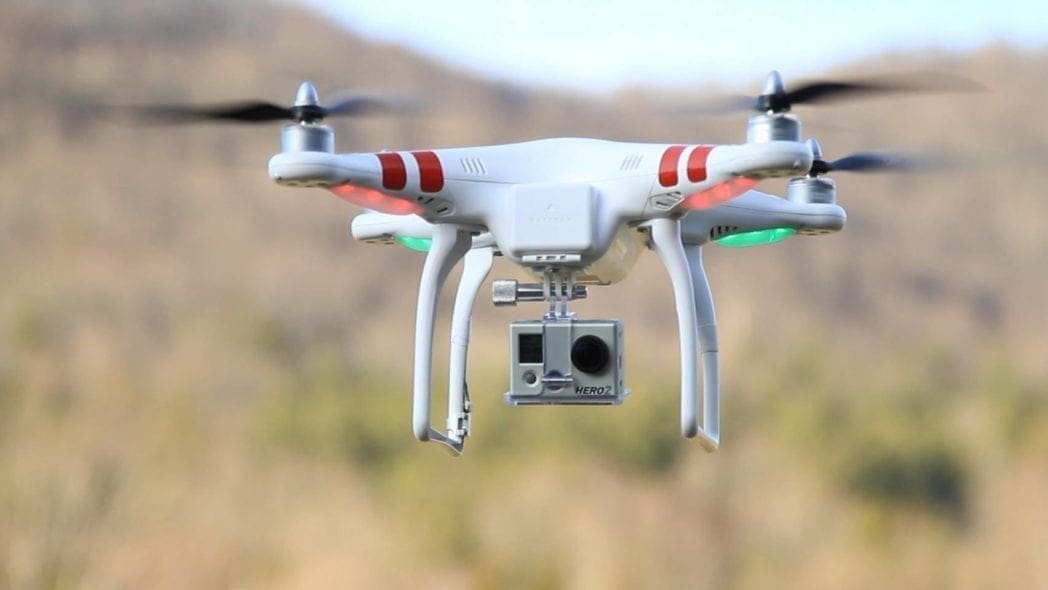
This article was featured in our weekly newsletter, the Liberator Online. To receive it in your inbox, sign up here. In Vermont, legislators are beginning to fight the federal government’s power grab by passing legislation that would hinder federal surveillance programs. DronesIf the Tenth Amendment Center is correct, the activism sprung from the growing anti-surveillance spirit sparked by NSA whistleblower Edward Snowden may have helped to push the Vermont legislature to pass a bill that would boost the state’s privacy protections in the state. As it now stands, the bill’s text bans the warrantless use of stingray technology to track phone location, restricts the police’s use of surveillance drones, and keeps law enforcement from having warrantless access to user data from service providers. Senate Bill 155, which was filed in December by Sens. Tim Ashe, Joe Benning, and Dick Sears originally addressed the state’s law enforcement’s use of drones by stipulating certain restrictions concerning the law enforcement’s data sharing and storage policies gathered through the use of Automated License Plate Recognition (ALPR) technologies. While in review, however, both the Senate and the House added amendments to S.155, limiting warrantless collection of electronic data and warrantless use of stingray devices. With the bill as it now is written, the ALPR law in the state could change significantly. According to TAC’s Mike Maharrey, stingray programs are vastly funded by the US federal government, giving state and local law enforcement agencies extra incentives to make use of the intrusive technology, considering states don’t have to squeeze any extra funding to cover the use of these systems locally. But for agencies to have access to the technologies, the federal government requires agencies to sign non-disclosure agreements. As a result, prosecutors, defense lawyers, and even judges are kept out of the loop. A recent trial demonstrated how these non-disclosure agreements hurt investigations. According to an article on the Baltimore Sun, Detective Emmanuel Cabreja refused to answer questions when pressed to give information on the device used during the investigation. After the local detective cited a non-disclosure agreement, the judge threatened to hold him in contempt if the information wasn’t unveiled. Instead of caving in, prosecutors withdrew the evidence, which is what the feds instruct prosecutors to do in similar cases. According to privacysos.org, the FBI often allows criminals to go unpunished rather than having to face “a possible scenario where a defendant brings a Fourth Amendment challenge to warrantless stingray spying.” While the federal government allows states to make use of these technologies under the guise of the war on terror, the technology is used primarily for routine criminal investigations, a fact that has been revealed by the Tacoma Police Department. Maharrey argues that the federal government’s network of drones, which are funded by the American taxpayer, is increasingly cornering innocent individuals, infringing on their right to privacy, which is guaranteed by the US Constitution. With pieces of legislation like S.155, states may stand a chance at fighting the federal government’s overreach. Both chambers have passed S.155, and the bill now awaits to be sent to the governor’s desk. ​

Snowden: Bulk Data Collection is Ineffective, Promotes Insecurity and Oppression

Snowden: Bulk Data Collection is Ineffective, Promotes Insecurity and Oppression

This article was featured in our weekly newsletter, the Liberator Online. To receive it in your inbox, sign up here. As the country watches the battle between the FBI and Apple unfold, former NSA contractor and whistleblower Edward Snowden uses his notoriety to bring attention to the surveillance problem publicly. During an interview with the Spanish TV channel Sexta, Snowden gave his two cents on the subject, extending his commentary to the realm of bulk data collection and why it never works. SnowdenDuring the interview, Snowden claimed that what Washington D.C. believes to be the most effective way to deter terrorists doesn’t pass the smell test. “In the wake of the revelations of mass surveillance,” Snowden explained, “[US] President [Barack Obama] appointed two independent commissions to review the efficiency of these [surveillance] programs, what they really did and what effect they had in combating terrorism.” What they found, Snowden continued, was that none of the surveillance programs carried out by Washington “stopped a single terrorist attack and never made a concrete difference in a terrorist investigation.” When looking into how the CIA and NSA have violated the US Constitution for ten years by snooping on Americans’ private communications without ever producing warrants, Snowden continued, “we must ask ourselves: Was it ever worth it?” With news showing surveillance programs are used for purposes other than fighting terrorism, it’s difficult to ignore the whistleblower’s claims. Especially since the current administration seems unwilling to put an end to its ineffective programs. Nowadays, bulk data collection is “more aggressive and invasive” than ever before, Snowden told Sexta. “Law enforcement and intelligence structures do not any longer bother to pick up a suspect and hack his cell phone, they cut into all lines and communications” instead. To the whistleblower, this is a clear violation of innocent people’s rights, since federal agents attack the “heart of the society” instead of following tangible evidence. The debate revolving around privacy and bulk data collection often misses the importance of privacy in a free society. Something that Snowden likes to revisit often. During the interview, he explained this angle of the debate by reminding the reporter that “it is no different from saying you don’t care about freedom of speech because you have nothing to say, … There are rights that provide value to you even if you’re not actively engaged in them in that moment.” Currently, Americans are struggling to identify exactly what is and isn’t the best way to go about the surveillance subject. As the public is bombarded with divisive, autocratic rhetoric tied to the presidential campaign, many become oblivious, ignoring their surveillance-related concerns. Understanding that existing tools like the Internet will always be abused by criminals, and that the federal government is incapable of keeping tabs on what citizens are doing at all times is all part of the problem. Famed economist F. A. Hayek talked extensively about the knowledge problem, explaining that the importance of knowledge of individual circumstances is often minimized by state officials, and the results are often bad to freedom since central planners like to claim they know just what they need to do to solve whatever problem is at hand. Much like economic problems, which often become much worse as government intervention gets a boost, more surveillance has the same effect, forcing criminals to take part in even more obscure communication methods in order to remain untraceable. The unintended consequences are seldom discussed, but it’s the American individual who pays the price. If Snowden and many other privacy advocates are right, the federal government’s efforts against terrorism could benefit greatly from a privacy-centered policy. After all, sacrificing freedom in the name of a false sense of security makes us both less safe and less free.

They Said It… With John Kerry and Rand Paul

(From the They Said It section in Volume 20, No. 8 of the Liberator Online. Subscribe here!) LIBERTARIANS HELP WIN LEGAL POT IN ALASKA: “Smoking, growing and possessing marijuana becomes legal in America’s wildest state Tuesday, thanks to a voter initiative aimed at clearing away 40 years of conflicting laws and court rulings. Making Alaska the third state to legalize recreational marijuana was the goal of a coalition including libertarians, rugged individualists and small-government Republicans who prize the privacy rights enshrined in the state’s constitution.” — journalist Molly Dischner, Associated Press, “Alaska Becomes 3rd State With Legal Marijuana,” Feb. 23, 2015. HOW GOV’T SPIES HACKED VIRTUALLY EVERY CELL PHONE IN THE WORLD: “With the help of the NSA, British intelligence broke into the world’s leading manufacturer of SIM cards and stole millions of keys that encrypt cell phone communications, including what you say. … U.S. and British spies hacked into Gemalto, which makes SIM cards for AT&T, T-Mobile, Verizon, Sprint, and hundreds of other wireless networks. With Gemalto’s encryption keys in hand, the intelligence agencies gained ‘the potential to secretly monitor a large portion of the world’s cellular communications, including both voice and data’ without having to get a single warrant or tell a telephone company.” — the Daily Beast website, summarizing “The Great SIM Heist: How Spies Stole the Keys to the Encryption Castle” by Jeremy Scahill and Josh Begley (based on files from Edward Snowden), The Intercept, Feb. 19, 2014. Ajit Pai GOV’T AT WORK: “[Net Neutrality] is a solution that won’t work to a problem that doesn’t exist.” — Ajit Pai, a commissioner at the Federal Communications Commission (FCC). UBER REDUCES DRUNK DRIVING, SAVES LIVES: “In May 2014, Uber set out to answer a simple but important question: what, if any, effect did the availability of safe, reliable rides on the Uber ridesharing platform have on drunk driving in Seattle, where prior to Uber’s arrival in 2013, approximately 7.6 people per day — or 2,750 per year — were arrested for driving under the influence. Using publicly available data and a simple econometric model, we discovered Uber’s entry into the Emerald City was associated with a 10% decrease in DUI arrests. The results were robust and statistically significant, providing meaningful evidence of the power Uber’s network of safe, reliable rides has on drunk driving in major metropolitan cities. … And the pattern is the same in cities across America. … [W]e believe there is a direct relationship between the presence of uberX in a city and the amount of drunk driving crashes involving younger populations.” —Uber and Mothers Against Drunk Driving (MADD) from their new study, “More Options. Shifting Mindsets. Driving Better Choices.” FOOLS: “American foreign policy is controlled by fools. What else can one conclude from the Doug Bandowbipartisan demand that the U.S. intervene everywhere all the time, irrespective of consequence? … Not only has virtually every bombing, invasion, occupation, and other interference made problems worse. Almost every new intervention is an attempt to redress problems created by previous U.S. actions. And every new military step is likely, indeed, almost guaranteed, to create even bigger problems.” —Doug Bandow, Cato Institute, “Washington’s Foolish Foreign Policy: American People Must Say No to More Wars,” Forbes.com, Feb. 21, 2015. WAR, WHAT IS IT GOOD FOR: “So just what did several thousand dead Americans, and at least tens of thousands of civilian casualties, plus a couple of trillion dollars get us? … Are we living in a safer world with a more peaceful and prosperous Iraq, Afghanistan or Libya? Isn’t there, as some experts have posited, a possible casual link between the way we prosecuted the war on terror so far, and the proliferation of violence so much of the world is still living with today? … We are on a ‘wars of the future’ conveyor belt where we will keep spending mindlessly, without pausing to see what the trillions we have already spent have actually bought us and the planet.” — Robert Hennelly, “What did thousands of dead Americans get us? Before granting war powers, let’s see where the last two got us,” Slate.com, Feb 22, 2015. EXCELLENT QUESTION: “Remember there was this [federal government] shutdown about a year ago, and in Washington everyone was clamoring, everyone was worried. I went home to Kentucky and you know what they said: ‘Why in the hell did you open it back up?'” — Sen. Rand Paul (R-KY) speaking in Montgomery, Alabama, Feb. 20, 2015, quoted by Breitbart.com. John KerryKERRY SWIFTBOATS NETANYAHU: “The prime minister was profoundly forward-leaning and outspoken about the importance of invading Iraq under George W. Bush. We all know what happened with that decision.” — U.S. Secretary of State John Kerry, Feb. 25, 2015, attacking Israeli Prime Minister Benjamin Netanyahu on the grounds that Netanyahu’s support for the U.S. invasion of Iraq shows his judgment on Iran can’t be trusted. Yes, this is the same John Kerry who himself voted for the war in Iraq in 2002 and touted that support while running for president in 2004. RULE OF THUMB: “Here’s a good rule of thumb: Any time a president says new tech laws are to protect ‘our kids,’ you know something bad is on the way.” — tech culture journalist Xeni Jardin on anti-privacy laws being considered by the Obama administration, “President Obama’s tech-centered State of the Union,” Boing Boing, Jan. 20, 2015.

Report: U.S. Losing Freedom of the Press

(From the Activist Ammunition section in Volume 20, No. 7 of the Liberator Online. Subscribe here!) Each year the respected international organization Reporters Without Borders issues a World Press Freedom of the PressFreedom Index that explores and ranks freedom of the press in the countries of the world. According to the organization, the Index reflects “the degree of freedom that journalists, news organizations and netizens enjoy in each country, and the efforts made by the authorities to respect and ensure respect for this freedom.” In this year’s report the United States is ranked a sad 49th out of 180 countries. This is the second-lowest ranking for the U.S. since the rankings began in 2002. (The lowest was in 2006, when the U.S. was ranked 53rd). Ranking immediately ahead of the U.S. are Malta, Niger, Burkino Faso, El Salvador, Tonga, Chile and Botswana. Americans accustomed to the U.S.’s reputation as the bastion of a constitutionally protected free press may be surprised by the rankings. Reporters Without Borders cites incidents it considered in its rankings, including:
  • The U.S. government’s years-long effort to force two-time Pulitzer Prize-winning New York Times reporter James Risen to reveal sources for his 2006 book State of War: The Secret History of the C.I.A. and the Bush Administration.
  • The U.S. continued war against WikiLeaks and similar whistleblower organizations and individuals like Edward Snowden. 
  • The arrests of at least 15 journalists covering the police protests in Ferguson, Missouri. 
Journalists definitely feel a chill in post-9/11 America. As the Liberator Online reported last year, the PEN American Center, an organization of professional writers whose membership includes some of America’s most distinguished writers, surveyed its members and found: “73% of writers have never been as worried about privacy rights and freedom of the press as they are today. Writers are self-censoring their work and their online activity due to their fears that commenting on, researching, or writing about certain issues will cause them harm. The fear of surveillance — and doubt over the way in which the government intends to use the data it gathers — has prompted PEN writers to change their behavior in numerous ways that curtail their freedom of expression and restrict the free flow of information.” It’s not just the U.S. facing such problems. Press freedom is in decline around the world, says Reporters Without Borders. They say it is “incontestable” that “there was a drastic decline in [worldwide] freedom of information in 2014. Two-thirds of the 180 countries surveyed for the 2015 World Press Freedom Index performed less well than in the previous year. … “Beset by wars, the growing threat from non-state operatives, violence during demonstrations and the economic crisis, media freedom is in retreat on all five continents. … All warring parties without exception waged a fearsome information war. The media, used for propaganda purposes or starved of information, became strategic targets and were attacked, or even silenced.”

Abolish NSA, Exonerate Snowden, Stop Illegal Spying: Libertarian Candidates Pledge

(From the Intellectual Ammunition section in Volume 19, No. 17 of the Liberator Online. Subscribe here!) Scores of Libertarian Party candidates for federal office have pledged to downsize the bloated federal government  — in these big and specific ways: * Eliminate the federal income taxEnd Spying - Abolish the NSA * End the War on Drugs * Abolish the NSA * Cut military spending by 60% We’re exploring each of these pledges in detail, one per issue, because the Libertarian Party has done a great job of showing that these bold proposals are not only possible, but practical and enormously beneficial. (Of course, you can jump ahead of us and read about all four positions right now.) Let’s look at the pledge to abolish the NSA (National Security Agency). The candidates pledge: “If elected, I will sponsor legislation to abolish the NSA, grant clemency and full whistleblower protection to Edward Snowden, consolidate our 18 spy agencies into one accountable agency, and cut taxes accordingly.” Here are the benefits of fully restoring the Fourth Amendment, exonerating Edward Snowden and shrinking the American spy apparatus, according to the Libertarian Party: * Privacy! No more snooping on your private emails, phone calls, text messages, Skype sessions, and other personal communication without your consent. No risk of embarrassment and humiliation due to others’ unwelcome knowledge of your personal life. You alone will control your private information. * Consolidating the 18 U.S. spy agencies will enable substantial cuts in federal taxes. Each American family will get back, on average, $540 every year that they now pay in taxes. * Assurance of privacy will increase the use of online banking and shopping, creating greater convenience for shoppers and increased sales for online vendors. It also encourages use of email, which cuts costs for businesses, cuts prices for consumers, liberates personal communications, and reduces paper waste. * Protection from warrantless government search and seizure will greatly reduce the risk of unjust arrests and prosecution of innocent Americans, and will lessen the risk of America devolving into a state of tyranny. * Exonerating Edward Snowden will grant him the respect and freedom he deserves, and will make it safe for whistleblowers to speak up when the government violates the rights of citizens.  

They Said It… Chuck Schumer, Edward Snowden And More!

Chuck Schumer(From the They Said It section in Volume 19, No. 8 of the Liberator Online. Subscribe here!) DEMOCRATS TO VOTE AGAINST FIRST AMENDMENT: “The First Amendment is sacred, but the First Amendment is not absolute. By making it absolute, you make it less sacred to most Americans. We have to bring some balance to our political system.” — Sen. Chuck Schumer (D-NY), Apr 30, 2014, announcing that Democrats will vote this year on an amendment to the U.S. Constitution to override First Amendment protections of political speech and political activism by restricting the amount that individuals and groups can spend on such speech and activities. SAVE THE FIRST AMENDMENT: “Displeased with recent legal victories in which free speech has prevailed over limitations on political speech imposed by Congress, Charles Schumer (D., N.Y.), Mark Udall (D., Colo.), and other Senate Democrats have introduced a constitutional amendment that would not only set aside the Supreme Court’s First Amendment jurisprudence and invest Congress with virtually unlimited power to regulate the political activism of private citizens, alone or in groups, but would also give the federal government and the states the power to shut down newspapers, television stations, and radio networks that displease them. This is an all-out assault on the First Amendment and an act of vandalism against the Constitution.” — The editors of National Review, “Save the First Amendment,” May 2, 2014. EVERYONE IS UNDER SURVEILLANCE NOW — SNOWDEN: Edward Snowden “[Surveillance] is no longer based on the traditional practice of targeted taps based on some individual suspicion of wrongdoing. It covers phone calls, emails, texts, search history, what you buy, who your friends are, where you go, who you love.” — NSA whistleblower Edward Snowden, “Everyone is under surveillance now, says whistleblower Edward Snowden,” Associated Press, theguardian.com, May 3 2014. PULLED OVER FOR DRIVING WHILE HUMAN: “Driving stiffly, having tinted windows, slowing down when seeing law enforcement, and driving in an out-of-the-way area may be innocent conduct by themselves. But when taken together along with driving a vehicle with out-of-state plates in a mountainous smuggling corridor 40-45 miles away from the border, we conclude Agent Semmerling had reasonable suspicion Ms. Westhoven was involved in smuggling activity.” — Federal Judge Scott M. Matheson, Jr., writing in US v. Westhoven (US Court of Appeals, Tenth Circuit, April 24, 2014). Also cited by the judge as reasonable cause for suspicion: acne, nervousness, driving with hands on the steering wheel in the 10-2 position. Jimmy KimmelEARTH DAY GIFTS: “I never know what to get the Earth for Earth Day. So I just bought it an iTunes gift card and buried it.” — Jimmy Kimmel April 23, 2014. FOREIGN AID: Jimmy Fallon “Joe Biden said the U.S. will help Ukraine with financial aid as long as the leaders tackle corruption. Because if anything stops corruption, it’s bribing someone to stop corruption.” — Jimmy Fallon April 22, 2014.
NOT IN AMERICA: “Donald Sterling’s girlfriend said she’s ‘going to be president of the United States’ one day. Yeah, like we’re going to elect someone who secretly records people’s private phone calls and conversations.” — Jimmy Fallon May 1, 2014.
RE-QUOTED AND NOTED
MISES ON POLITICAL ACTIVISM: “No one can find a safe way out for himself if society is Ludwig von Misessweeping towards destruction. Therefore everyone, in his own interests, must thrust himself vigorously into the intellectual battle. None can stand aside with unconcern; the interests of everyone hang on the result.” — Ludwig von Mises from his 1922 classic Socialism: An Economic and Sociological Analysis, quoted by Jim Powell in his investment newsletter Global Changes and Opportunities Report, April 2014. You can read Socialism by Mises in its entirety online here or download it as a free ebook from the Mises Institute here.

Online Liberty Campaign: “Reset The Net” on June 5, 2014

(From the Intellectual Ammunition section in Volume 19, No. 8 of the Liberator Online. Subscribe here!) Sick of government surveillance spoiling the freedom and fun of the Internet? Reset The NetYou’re not alone. And now there’s something you can do about it. On June 5th, 2014 — the anniversary of the first NSA surveillance story revealed by whistleblower Edward Snowden — a worldwide coalition of tens of thousands of Internet users, companies and organizations is pledging to “Reset The Net.” Reset The Net is a day of global action to secure and encrypt the web to shut out the government’s mass surveillance capabilities. Tens of thousands of Internet activists, companies and organizations — from across the political spectrum and across the technology industry — have committed to preserve free speech and basic rights on the Internet by taking simple steps to shut off the government’s mass surveillance capabilities. And you can join them. Participating organizations, sites and companies include the Libertarian Party, Fight For The Future (who initiated the campaign), reddit, CREDO Mobile, Namecheap, Imgur, Greenpeace, FireDogLake, Thunderclap, DuckDuckGo, Disconnect.Me, Demand Progress, Access, Free Press, Restore the Fourth, AIDS Policy Project, PolitiHacks, OpenMedia, Free Software Foundation, Bill of Rights Defense Committee, Code Pink, Popular Resistance, Participatory Politics Foundation, BoingBoing, Public Knowledge, Amicus, New America Foundation’s Open Technology Institute, Progressive Change Campaign Committee, Student Net Alliance, and the Center for Democracy and Technology. These and other organizations will participate by publicizing the effort and by improving their own security and/or promoting privacy tools to their followers. Individual Internet users can act with Reset The Net in several important ways. They can get and install a free “privacy pack” of safe open-source software tools that make end-to-end encryption easy, as well as learning other ways to secure their online life against intrusive surveillance. Information on how to do this will be available from Reset The Net. Individuals are also invited to sign a petition supporting online freedom and pledging to participate in the campaign. So far nearly 20,000 people have done so. Reset The Net hopes to have at least 50,000 signatures by the June 5 kick-off date. Reset The Net will offer supporters a splash screen they can run at their web sites on June 5. These screens will potentially reach millions with a call for privacy and a link to the privacy tools pack. Twitter users can join the #ResetTheNet Twitter brigade to further publicize the idea. Still more suggestions are at the Reset The Net website. “The NSA is exploiting weak links in Internet security to spy on the entire world, twisting the Internet we love into something it was never meant to be,” says Reset The Net. “We can’t stop targeted attacks, but we can stop mass surveillance, by building proven security into the everyday Internet.” For more information watch the short ResetTheNet.org campaign video and visit ResetTheNet.org. “The Libertarian Party enthusiastically joins Reset the Net,” said Carla Howell, Political Director for the Libertarian National Committee. “Over thirty Libertarian candidates running for federal office this year have pledged to shut down the NSA and invite Edward Snowden to return home a free man. He should be granted an immediate presidential pardon, awarded the American Medal of Freedom, and applauded for blowing the whistle on the NSA’s abuse of the Constitution.” “Freedom to be yourself is everything. No government can take that away from us, so we’re going to use the power we have to take it back,” said Tiffiniy Cheng, co-founder of Fight for the Future. “Now that we know how mass surveillance works, we know how to stop it. That’s why people all over the world are going to work together to use encryption everywhere and make it too hard for any government to conduct mass surveillance. There are moments in history where people and organizations must choose whether to stand on the side of freedom or tyranny. On June 5th, the Internet will show which side it’s on.”