







Trump’s Cuba Travel Ban Is A Wall Against Americans
Governments have too much power over people. But most of us can’t truly grasp how deep this power goes until our lives are completely changed by a new policy.
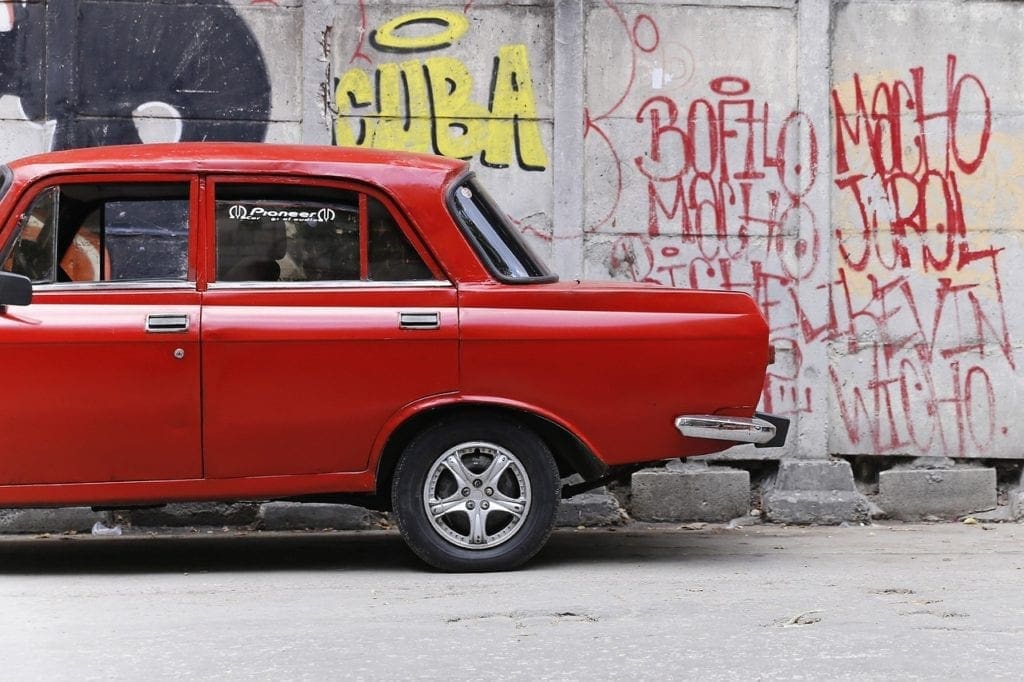
Three years after President Obama lessened travel restraints to Cuba, the Trump administration imposed new restrictions for American tourists. This new policy impacts private and corporate planes and boats, cruise ship tours, and other group trips to the island nation.
In a statement to the press, Treasury Secretary Steven Mnuchin said that the travel ban was reinstated because of the “destabilizing role in the Western Hemisphere, providing a communist foothold in the region and propping up U.S. adversaries in places like Venezuela and Nicaragua by fomenting instability, undermining the rule of law, and suppressing democratic processes.”
 With the new restrictions, Mnuchin said, the administration hopes “to keep U.S. dollars out of the hands of Cuban military, intelligence, and security services.”
On Twitter, Cuba’s Minister of Foreign Affairs Bruno Eduardo Rodríguez Parrilla said the U.S. wants to “[suffocate] the economy & [harm] the living standards of Cubans in order to forcefully obtain political concessions.”
Bruno Eduardo Rodríguez Parrilla, Cuba’s Minister of Foreign Affairs, strongly criticized the new travel sanctions.
“I strongly reject new sanctions announced by #US vs. #Cuba which further restrict #US citizens’ travels to Cuba, aimed at suffocating the economy & harming the living standards of Cubans in order to forcefully obtain political concessions,” Parrilla wrote on Twitter. “Once again they will fail.”
Regardless of how he feels, the conflict between the U.S. government and the Cuban regime shouldn’t impact people who have nothing to do with it. Whether officials of both countries recognize this or not, they have no legitimate authority over people’s lives.
Government Shouldn’t Dictate Travel Policy
This new attack on Cuba, Mnuchin himself admitted in his statement, is due to Cuba’s close association with Venezuela. But because these restrictions impact Cuban citizens directly, as many are only able to make a living thanks to U.S. tourists, Trump’s move might as well be seen as an act of war.
Whether you support the oppressive regimes in both Venezuela and Cuba or not, the nature of the current administration’s policy can’t be ignored, as it puts America, once again, in the role of the world’s police. And as we’ve seen in the past, to play this role means to put innocent people’s lives in jeopardy.
While to some, it might seem OK to punish the entire country for its corrupt government, the reality is that Cubans aren’t in love with communism. Quite the contrary, many agree that their government doesn’t represent them. But when the United States imposes sanctions or travel bans, it ends up fueling Cuban state propaganda while restricting the individual’s right to do what he or she pleases with their own money. In the end, those who hurt the most are the Cuban people, many whose livelihood depend on exchange with foreigners.
With the new restrictions, Mnuchin said, the administration hopes “to keep U.S. dollars out of the hands of Cuban military, intelligence, and security services.”
On Twitter, Cuba’s Minister of Foreign Affairs Bruno Eduardo Rodríguez Parrilla said the U.S. wants to “[suffocate] the economy & [harm] the living standards of Cubans in order to forcefully obtain political concessions.”
Bruno Eduardo Rodríguez Parrilla, Cuba’s Minister of Foreign Affairs, strongly criticized the new travel sanctions.
“I strongly reject new sanctions announced by #US vs. #Cuba which further restrict #US citizens’ travels to Cuba, aimed at suffocating the economy & harming the living standards of Cubans in order to forcefully obtain political concessions,” Parrilla wrote on Twitter. “Once again they will fail.”
Regardless of how he feels, the conflict between the U.S. government and the Cuban regime shouldn’t impact people who have nothing to do with it. Whether officials of both countries recognize this or not, they have no legitimate authority over people’s lives.
Government Shouldn’t Dictate Travel Policy
This new attack on Cuba, Mnuchin himself admitted in his statement, is due to Cuba’s close association with Venezuela. But because these restrictions impact Cuban citizens directly, as many are only able to make a living thanks to U.S. tourists, Trump’s move might as well be seen as an act of war.
Whether you support the oppressive regimes in both Venezuela and Cuba or not, the nature of the current administration’s policy can’t be ignored, as it puts America, once again, in the role of the world’s police. And as we’ve seen in the past, to play this role means to put innocent people’s lives in jeopardy.
While to some, it might seem OK to punish the entire country for its corrupt government, the reality is that Cubans aren’t in love with communism. Quite the contrary, many agree that their government doesn’t represent them. But when the United States imposes sanctions or travel bans, it ends up fueling Cuban state propaganda while restricting the individual’s right to do what he or she pleases with their own money. In the end, those who hurt the most are the Cuban people, many whose livelihood depend on exchange with foreigners.
With the new restrictions, Mnuchin said, the administration hopes “to keep U.S. dollars out of the hands of Cuban military, intelligence, and security services.”
On Twitter, Cuba’s Minister of Foreign Affairs Bruno Eduardo Rodríguez Parrilla said the U.S. wants to “[suffocate] the economy & [harm] the living standards of Cubans in order to forcefully obtain political concessions.”
Bruno Eduardo Rodríguez Parrilla, Cuba’s Minister of Foreign Affairs, strongly criticized the new travel sanctions.
“I strongly reject new sanctions announced by #US vs. #Cuba which further restrict #US citizens’ travels to Cuba, aimed at suffocating the economy & harming the living standards of Cubans in order to forcefully obtain political concessions,” Parrilla wrote on Twitter. “Once again they will fail.”
Regardless of how he feels, the conflict between the U.S. government and the Cuban regime shouldn’t impact people who have nothing to do with it. Whether officials of both countries recognize this or not, they have no legitimate authority over people’s lives.
Government Shouldn’t Dictate Travel Policy
This new attack on Cuba, Mnuchin himself admitted in his statement, is due to Cuba’s close association with Venezuela. But because these restrictions impact Cuban citizens directly, as many are only able to make a living thanks to U.S. tourists, Trump’s move might as well be seen as an act of war.
Whether you support the oppressive regimes in both Venezuela and Cuba or not, the nature of the current administration’s policy can’t be ignored, as it puts America, once again, in the role of the world’s police. And as we’ve seen in the past, to play this role means to put innocent people’s lives in jeopardy.
While to some, it might seem OK to punish the entire country for its corrupt government, the reality is that Cubans aren’t in love with communism. Quite the contrary, many agree that their government doesn’t represent them. But when the United States imposes sanctions or travel bans, it ends up fueling Cuban state propaganda while restricting the individual’s right to do what he or she pleases with their own money. In the end, those who hurt the most are the Cuban people, many whose livelihood depend on exchange with foreigners.

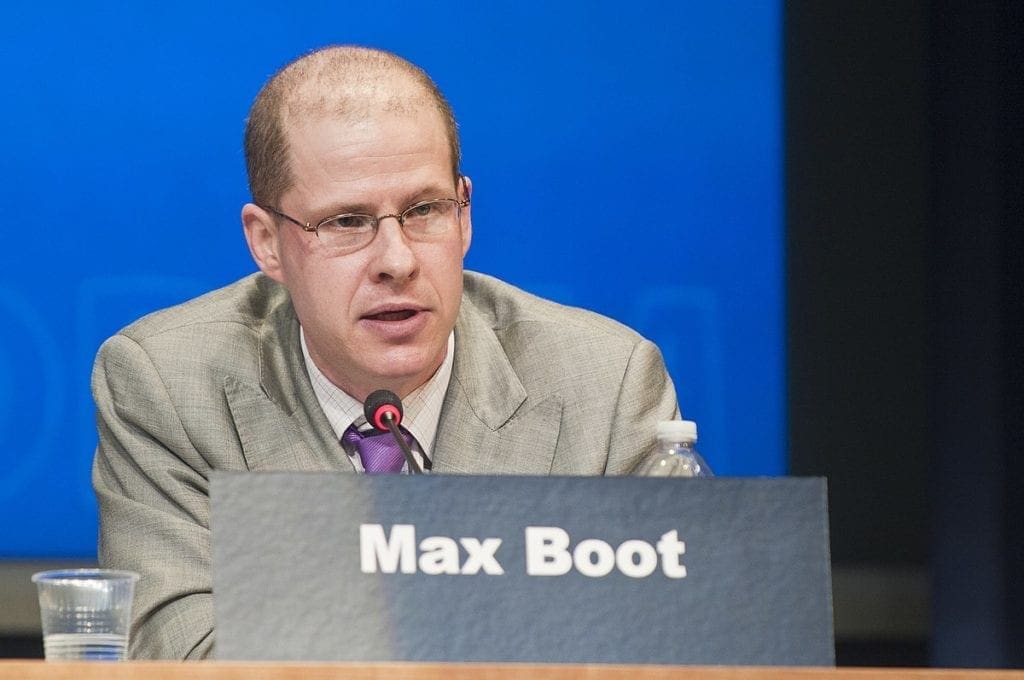 After an anti-property rights, anti-Catholic rant about how “anti-vaxxer” parents are putting everybody’s life in jeopardy, he went on to claim that those who don’t want to give their children the composite MMR vaccine for measles,
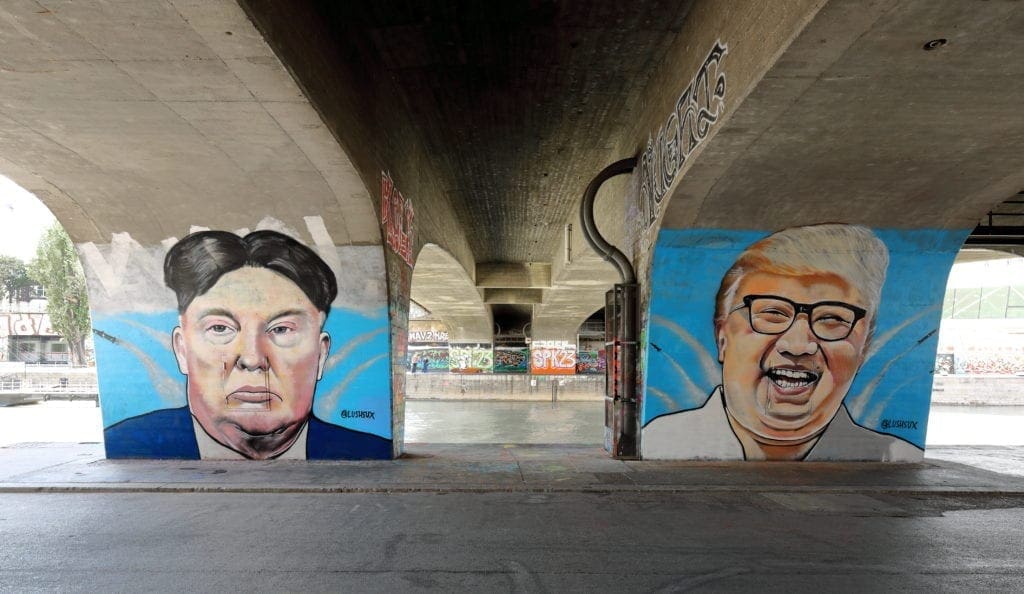 Trump set himself apart during his 2016 presidential campaign by speaking against the Iraq war and by showing the country he wasn’t necessarily eager to go to war in the Middle East. But once he was elected, his promises were tested on several occasions, especially after he
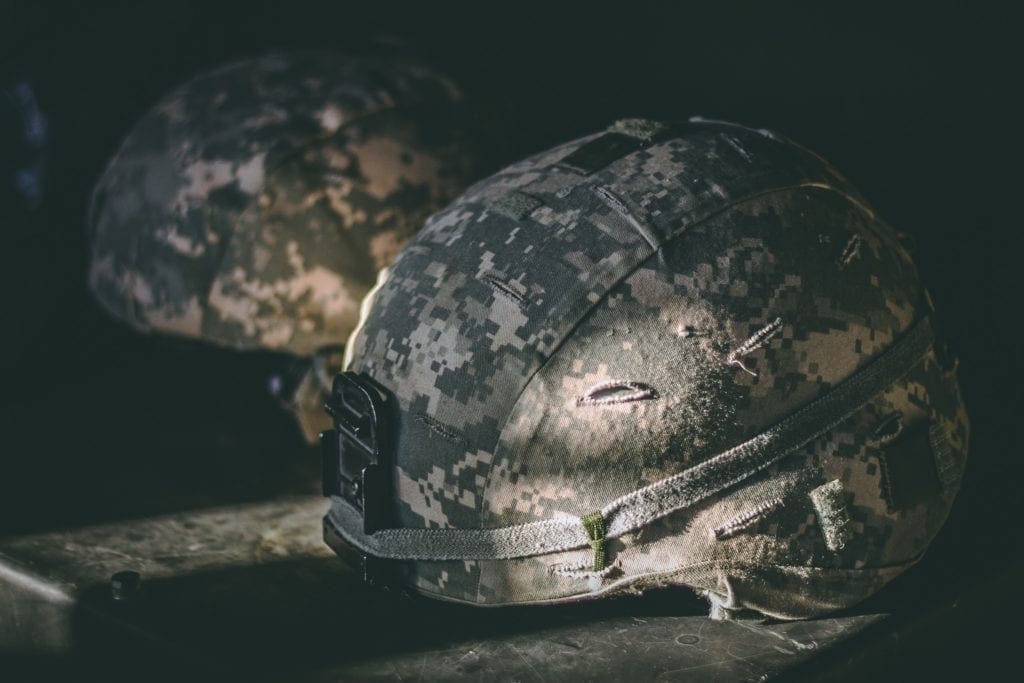 The Warfare State: America’s Deadliest Parasite
The military makes up around
The Warfare State: America’s Deadliest Parasite
The military makes up around 
 The truth is that drugs become only more dangerous when the government prohibits them. Even though this may fly in the face of surface-level thinking, it truly is common sense when one thinks about it.
The Iron Law of Prohibition: Ban it to Make it Stronger
Think like a drug dealer for a moment. If you are going to risk imprisonment to sell drugs to people, you are going to get as much money as possible. Because of this, your goal is going to be to increase the potency of the drugs as much as possible. This is the main premise of the Iron Law of Prohibition. Basically, as drug laws become more restrictive, dealers have no choice but to increase the potency of the drugs. This is because prohibition is an artificial increase in the cost of doing business for drug dealers.
This increase in potency allows dealers to transport more drugs in less space. In other words, the drugs become stronger, more addictive, and deadlier. As much as one wants to get people off of drugs, government prohibition is the worst way to go about it.
The truth is that drugs become only more dangerous when the government prohibits them. Even though this may fly in the face of surface-level thinking, it truly is common sense when one thinks about it.
The Iron Law of Prohibition: Ban it to Make it Stronger
Think like a drug dealer for a moment. If you are going to risk imprisonment to sell drugs to people, you are going to get as much money as possible. Because of this, your goal is going to be to increase the potency of the drugs as much as possible. This is the main premise of the Iron Law of Prohibition. Basically, as drug laws become more restrictive, dealers have no choice but to increase the potency of the drugs. This is because prohibition is an artificial increase in the cost of doing business for drug dealers.
This increase in potency allows dealers to transport more drugs in less space. In other words, the drugs become stronger, more addictive, and deadlier. As much as one wants to get people off of drugs, government prohibition is the worst way to go about it.

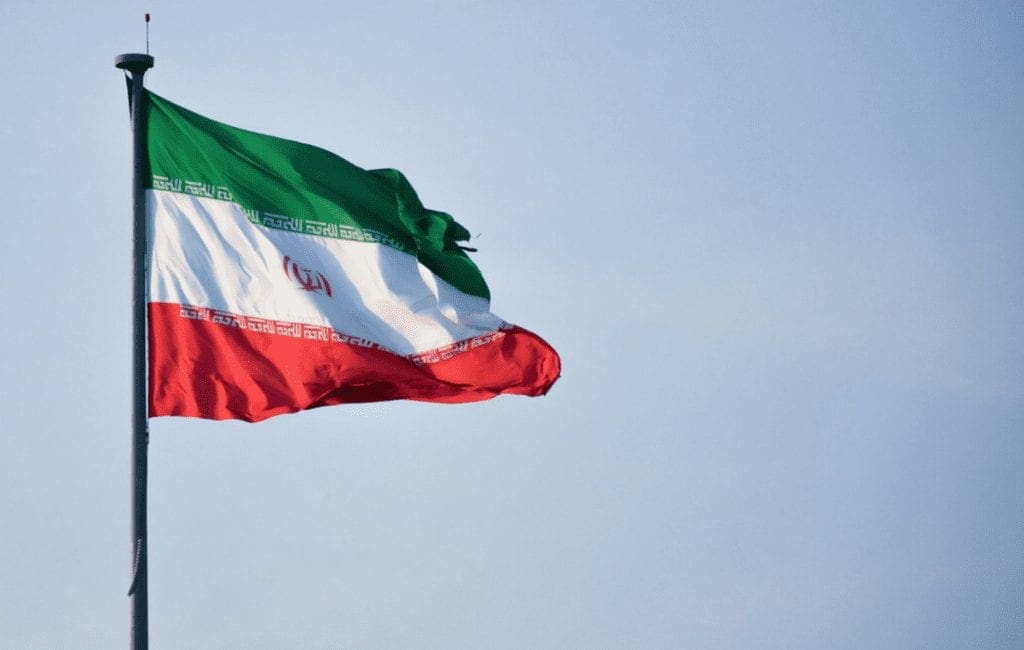 While Trump is trying to be tough, he is truly showing that he is nothing more than Saudi Arabia’s servant. By bending the knee, Trump is solving nothing and emboldening the Saudi effort to hold the global economy hostage.
Sanction Waivers: A Band-Aid for a Bullet Hole
Sanction waivers, when considering that a nation ought to make its own laws, do not exist. By repealing these waivers, the US is attempting to force its policies on other nations. In other words, the US wants to force the rest of the world to stop trading with Iran and be entirely reliant upon Saudi oil. Such a move is not only an attack on Iran, but it is also an act of war upon the entire world.
The sentiment of Bastiat comes to mind. Protectionism does not work. Rather, it increases global hostility. By isolating Iran’s economy, the US is forcing them to pursue other means to survive. These waivers do not fix the problem. Rather, we ought to focus on ending sanctions and ensuring free trade for all. Instead of expanding trade, this elimination of sanction waivers is going to eliminate more than a million barrels of oil per day from the market. When one forces the supply to decrease, one forces the price of a good to increase. Due to this artificial scarcity, we can expect prices to only continue to increase.
Sanctions: A Tool of the American Empire
While Saudi Arabia holds the global economy hostage, it is only doing so at the behest of the United States. If the US wanted to, they could
While Trump is trying to be tough, he is truly showing that he is nothing more than Saudi Arabia’s servant. By bending the knee, Trump is solving nothing and emboldening the Saudi effort to hold the global economy hostage.
Sanction Waivers: A Band-Aid for a Bullet Hole
Sanction waivers, when considering that a nation ought to make its own laws, do not exist. By repealing these waivers, the US is attempting to force its policies on other nations. In other words, the US wants to force the rest of the world to stop trading with Iran and be entirely reliant upon Saudi oil. Such a move is not only an attack on Iran, but it is also an act of war upon the entire world.
The sentiment of Bastiat comes to mind. Protectionism does not work. Rather, it increases global hostility. By isolating Iran’s economy, the US is forcing them to pursue other means to survive. These waivers do not fix the problem. Rather, we ought to focus on ending sanctions and ensuring free trade for all. Instead of expanding trade, this elimination of sanction waivers is going to eliminate more than a million barrels of oil per day from the market. When one forces the supply to decrease, one forces the price of a good to increase. Due to this artificial scarcity, we can expect prices to only continue to increase.
Sanctions: A Tool of the American Empire
While Saudi Arabia holds the global economy hostage, it is only doing so at the behest of the United States. If the US wanted to, they could 



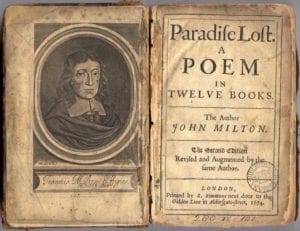 In Paradise Lost John Milton retells the Christian creation story of Adam and Eve. It is considered to be the story of “man’s first disobedience.” However, what is most important to consider is what that disobedience causes.
Milton writes that without Adam and Eve’s classic example of disobedience, God would never have been able to show his grace and love, creating a better outcome than if they hadn’t disobeyed him. We have this opportunity every day. As humans we are flawed, but this doesn’t mean we have to accept the flaws of our world, or even our broken political system. This means that we are given the opportunity to turn the negative into positive.
We can even see traits of humanity within Satan’s character. He went off on his own and created his own army, only to have nostalgic feelings for Heaven, asking himself why he couldn’t just be content in the presence of God.
In our world we have both good and evil. It is unavoidable, and as long as one exists, so will the other. We live in a world of contraries and we see that play out every day in politics. Peace vs. war. Love vs. hate. We must ask ourselves which side we want to fall on, then we must act.
What Paradise Lost teaches us is that it is a beautiful thing to be human and know both good and evil. As much pain as evil brings about, it also gives meaning to good. The difference between the two help us understand what we should seek, and what we must certainly should avoid.
Whether you believe that humans are innately good or evil, there is importance in remembering that we are all still human.. We must remember to first be good humans, THEN be good libertarians, but also remember that those two things can go hand in hand.
When Satan says that it is “better to reign in Hell, than serve in Heaven” is he right? It is better to pursue the existing evils for the sake of winning instead of turning the bad into good, reaching across party lines and working together to create long-term solutions?
In Paradise Lost John Milton retells the Christian creation story of Adam and Eve. It is considered to be the story of “man’s first disobedience.” However, what is most important to consider is what that disobedience causes.
Milton writes that without Adam and Eve’s classic example of disobedience, God would never have been able to show his grace and love, creating a better outcome than if they hadn’t disobeyed him. We have this opportunity every day. As humans we are flawed, but this doesn’t mean we have to accept the flaws of our world, or even our broken political system. This means that we are given the opportunity to turn the negative into positive.
We can even see traits of humanity within Satan’s character. He went off on his own and created his own army, only to have nostalgic feelings for Heaven, asking himself why he couldn’t just be content in the presence of God.
In our world we have both good and evil. It is unavoidable, and as long as one exists, so will the other. We live in a world of contraries and we see that play out every day in politics. Peace vs. war. Love vs. hate. We must ask ourselves which side we want to fall on, then we must act.
What Paradise Lost teaches us is that it is a beautiful thing to be human and know both good and evil. As much pain as evil brings about, it also gives meaning to good. The difference between the two help us understand what we should seek, and what we must certainly should avoid.
Whether you believe that humans are innately good or evil, there is importance in remembering that we are all still human.. We must remember to first be good humans, THEN be good libertarians, but also remember that those two things can go hand in hand.
When Satan says that it is “better to reign in Hell, than serve in Heaven” is he right? It is better to pursue the existing evils for the sake of winning instead of turning the bad into good, reaching across party lines and working together to create long-term solutions?