A few weeks after returning from the coast, Alex received a short message on his private feed. Alex’s troubled cousin Jake had requested a family visit.
The labor center sat on the edge of a neutral commercial zone, operated by one of the mid-tier restitution firms that competed on reputation and results. It didn’t look much like a prison. There was no razor wire, no guard towers — just a clean, fenced campus of workshops, dormitories, and small gardens.
A large sign at the entrance read “Accountability Through Productive Labor — Verdant Restitution Services.”
Sara had been hesitant. “The kids?”
“They’re old enough to see what real consequences look like,” Alex replied. “And Jake asked for them specifically.”
They drove there on a mixed network of quiet Lex-1 roads. At the gate, the system scanned their invitation and reputation summaries. A calm voice welcomed them and reminded them of the facility’s visitor covenant: no weapons, no unapproved recordings, respectful conduct. Once clear of the automated system, a guard looked them over and waved them through.
Jake met them in the central courtyard, wearing work clothes and looking thinner than Alex remembered. He carried himself with a quiet caution.
“Hey, cuz,” Jake said, voice rough but steady. He offered a careful handshake. “Thanks for coming.”
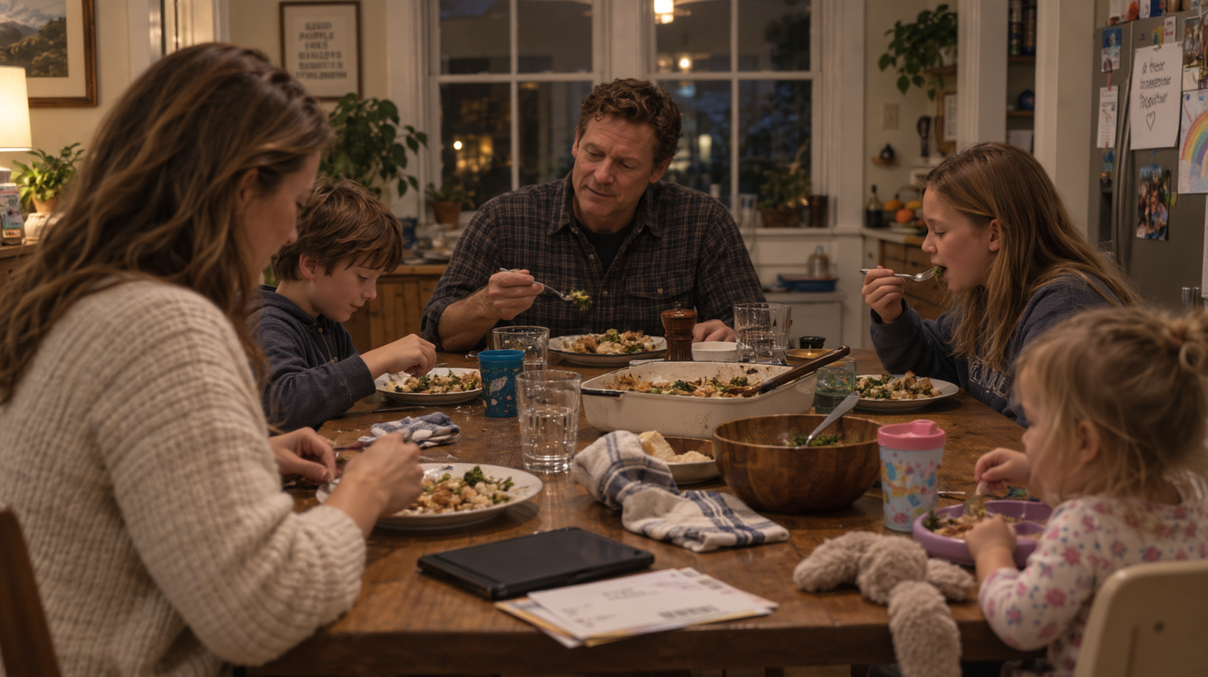
The kids stared openly. Lana studied him with the same sharp focus she brought to arbitration debates. Phillip looked fascinated by the workshop buildings. Ellen stayed close to Sara.
They sat at a shaded picnic table while Jake explained the rhythm of the place.
“Six to ten hours in the machine shop — I get flexibility there. And there are a lot of self-improvement modules available for free. Anything I earn above room and board goes straight to the victim’s insurer.
“They made him as whole as possible right after the arbitration — medical costs, lost wages, pain and suffering. What I send now goes to reimbursing the insurer. It helps to prove I’ve changed. Insurers, bonding agencies, potential sponsors, and future businesses and communities all watch these records. It’s the only way someone like me gets another chance — at least in ‘polite’ society.”
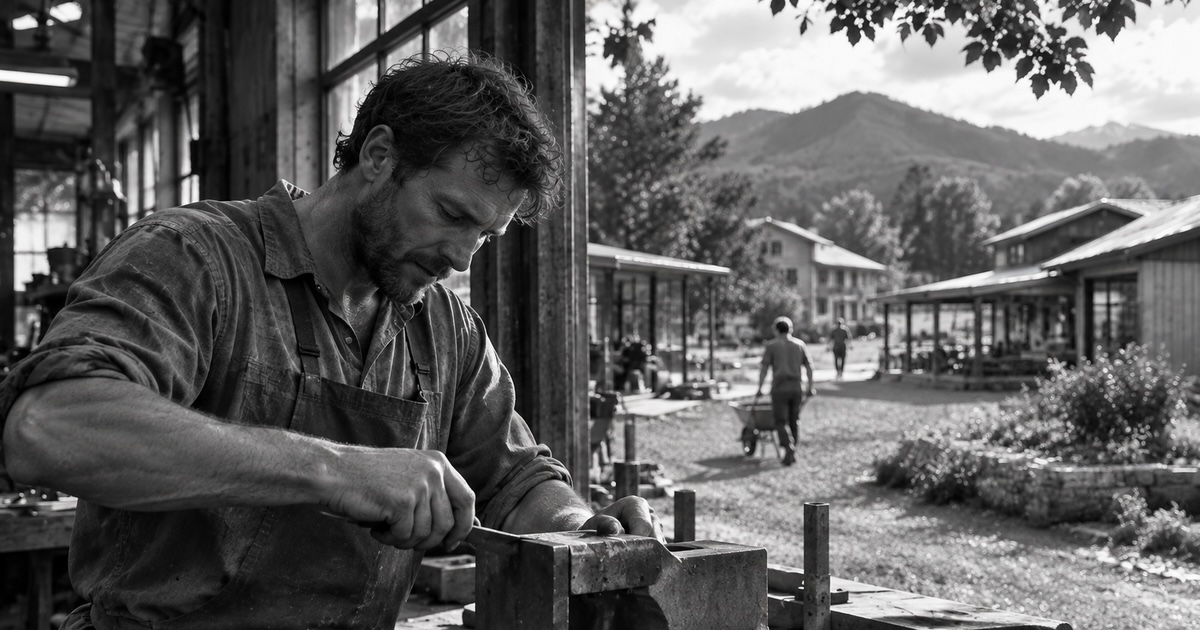
He flexed his hands, callused from real labor. “I built three custom drone frames last week. I’m getting pretty good at it. My net wages help keep my restitution file active and positive. At this rate I won’t be here for too terribly long.”
Phillip asked the question the adults had been avoiding. “Do you hate it here?”
Jake gave a tired laugh. “I hate what I did. This? It’s not fun, but it’s not pointless. The old world would’ve stuck me in a cage for years, cost taxpayers a fortune, and I’d come out worse. Here, I’m actually paying restitution and learning new skills. When the debt’s cleared and my file shows consistent good behavior, I’ll probably earn a sponsor quickly — someone willing to vouch for me in a lighter covenant and general business transactions. Eventually I can be bonded and insured like anybody else.”
Alex felt the familiar mix of anger and pity. “You know most communities still won’t touch you until the balance is zero and your record looks solid.”
“Yeah. Ostracism stings every single day. No covenant access, very limited markets, protection agencies charge triple or refuse coverage. But I earned all of it.” Jake looked at the kids. “Don’t ever let your temper write a check your future self can’t cash.”
Sara spoke gently. “Have you thought about what happens after?”
“Some guys get sponsors. Others move to gray zones or frontier settlements where reputation starts fresh — or just doesn’t matter. I’m aiming for the sponsor route. Slow, annoying, and expensive, but possible.”
Lana, who had been quiet, finally asked, “Does the victim know you’re working it off?”
Jake nodded. “He gets updates if he wants them. Some do. Mostly it’s the insurers and potential communities watching. They need to see I’m not the same guy anymore.”
What’s your political type?
Find out right now by taking The World’s Smallest Political Quiz.
Take the Political QuizThey didn’t stay long. As they walked back to the van, Ellen slipped her small hand into Alex’s.
“Is Jake a bad man?”
Alex thought carefully. “He did a bad thing. Now he’s trying to make it right the only way he can — and it's a way that makes sense. Some people never try. He is.”
On the drive home, the car was quiet for a long time.
Phillip finally spoke. “Their workshops looked pretty good. Better tools than my last school had.”
Lana stared out the window. “The incentives are brutal, but they’re honest. No pretending he’s a victim of ‘society.’ He broke the peace. Now he pays.”
Sara reached back and squeezed her daughter’s shoulder. “And the rest of us don’t have to subsidize his bad choices forever. That’s the difference.”
That night, after the younger kids were in bed, Alex and Sara sat on the porch with glasses of the same local spirit he’d sipped while thinking of Jake months earlier.
“I keep wondering if we’re being too hard on him,” Alex said.
Sara shook her head. “We’re being fair. Real justice isn’t revenge or endless punishment. It’s restitution. The labor centers, the reputation blacklists, the exit ramps for those who actually change — they’re imperfect, but they work better than anything the old world offered. ‘There are no solutions, only tradeoffs," as a wise man once said.”
Alex nodded slowly at the Thomas Sowell classic. “He might make it. Or he might not. Either way, the system doesn’t force the rest of us to pretend the harm never happened.”
Somewhere in the distance, a neighbor’s drone delivery hummed overhead under Lex-1 protocols. Life continued — messy, voluntary, and accountable.
Jake’s reckoning was his own. The Kanes would watch, hope, and keep living under the covenants they had chosen.