
Many of us move through life with freedoms we’ve never fully realized. We often settle into careers that may not be of our choosing, linger in relationships we have long since outgrown, carry obligations that were handed to us rather than freely embraced, and follow social scripts learned in our formative years that run counter to who we truly are.
At 63, I’ve discovered that an unlived life is rarely built through purely random moments of surrender. Rather, they’re constructed quietly and patiently, one unexamined assumption at a time.
American writer, libertarian political activist, and investment advisor Harry Browne understood this with the clarity of someone who had studied both the architecture of confinement and the art of escape.
His book How I Found Freedom in an Unfree World is the most honest conversation about personal liberty I have ever encountered between two covers. It is less a manual about changing the world than an invitation to recognize the invisible barriers we have accepted as permanent, only to discover that many of them were never there in the first place.
It has been one of the most quietly radical books in my personal library for years. I return to it the way you return to a trusted friend, someone who never flatters you but always tells you the truth.
In it, Browne had the audacity to argue for something most people will spend a lifetime resisting, namely, that you are far freer than you believe, and the greatest prison you inhabit is one you helped build, piece by piece, from inherited obligations, unconscious assumptions, and the relentless pressure to become what others want you to be.
The Traps We Walk Into Willingly
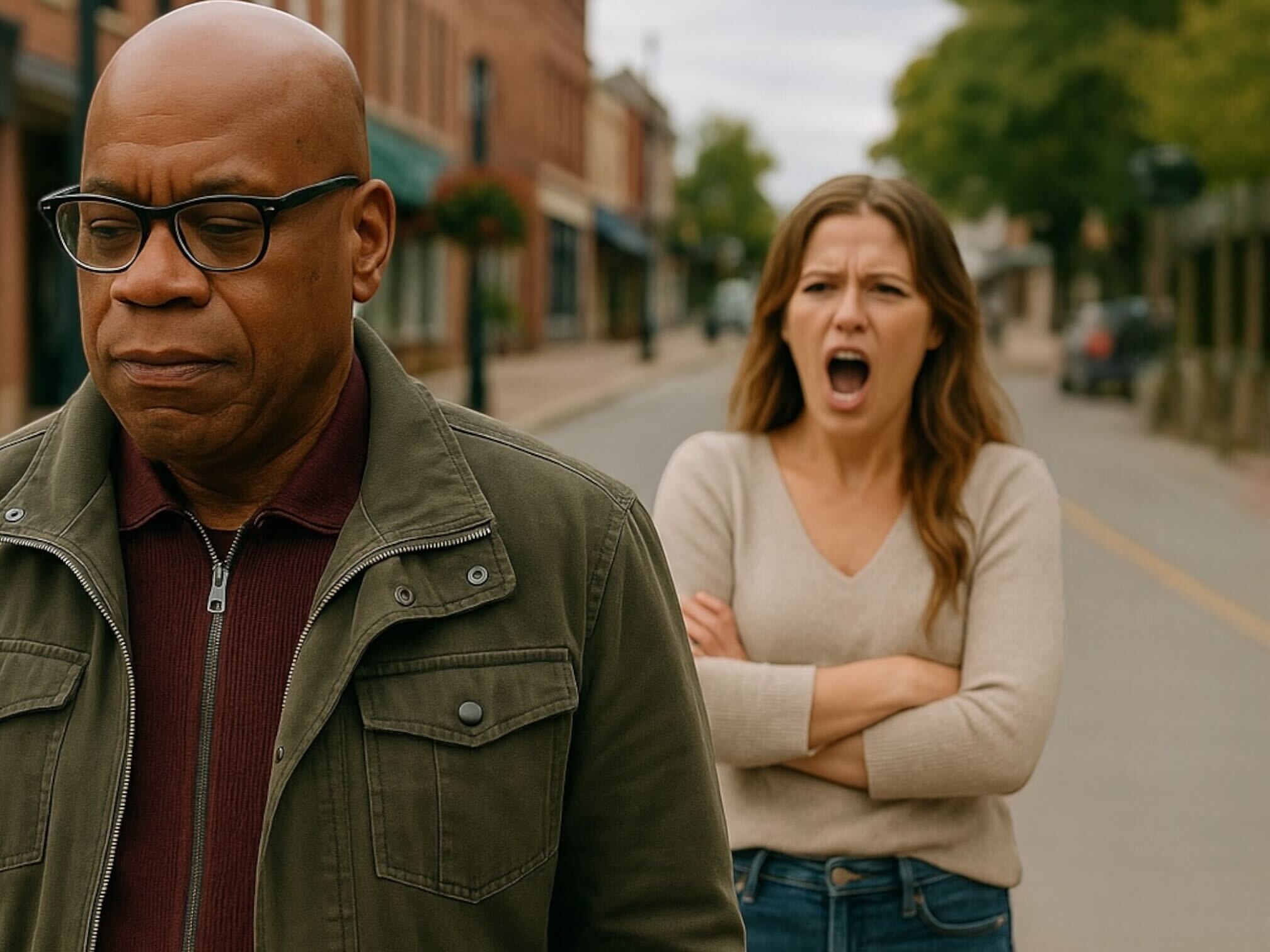
Browne's central framework is built around what he calls traps and boxes. These are the unconscious beliefs we carry around like luggage we forgot we packed. They embody the belief that we must obey codes of conduct written by others and that institutions and social systems have genuine power to stop us from living freely.
Boxes are the concrete situations those beliefs create, namely, the career that drains you, the relationship that sucked the life out of you years ago, the social obligations we experience out of guilt rather than genuine desire.
As an African American man, I want to pause here and acknowledge something that I often ponder. The conversation about freedom within our community carries a unique historical weight that Browne, writing from his own vantage point, may not have been in a position to fully address. African Americans did not simply inherit psychological burdens. We also have been subjected to the enduring legacy of actual unfreedom. That reality is neither small nor abstract, and it is not something I am inclined to dismiss.
But this is where Browne’s framework, read honestly, becomes even more powerful for someone like me, not less. Once you have acknowledged the reality of external history, his book compels you to examine what you are doing with it now. In other words, which constraints are the legacy of genuine oppression, and which have become the stories you tell yourself to avoid the more difficult work of choosing differently? That is a question that takes courage to ask. Browne made me ask it.
What’s your political type?
Find out right now by taking The World’s Smallest Political Quiz.
Take the QuizI think about the people I have encountered over the years living in Columbus, Ohio, Chicago, Indianapolis, San Diego, Las Vegas, and now Fort Collins who are genuinely brilliant but deeply miserable. Almost without exception, their misery is not the product of external oppression alone. It is also the product of the story they keep telling themselves about why they cannot leave, cannot change, or cannot choose differently. They have come to believe they are trapped in a box with no exit. Browne would say there is always an exit. The question is whether you are willing to pay the price of walking through it.
A Browne Roadmap Out of the Box
I discovered Browne during a pivotal season of my life. While reading his book, I recognized the box I had been living in. It was a box built from the cost of staying in a job and a relationship that were no longer the right fit. I realized that the price of leaving, however steep, was the more honest transaction. His book gave me the language for what I had already done and, more importantly, the philosophical scaffolding for what I still needed to do.
What I found in Browne was a man who took the question of personal sovereignty so seriously that he mapped it chapter by chapter with the precision of someone who had escaped the very traps he was describing.
Wu Wei Meets Personal Liberty
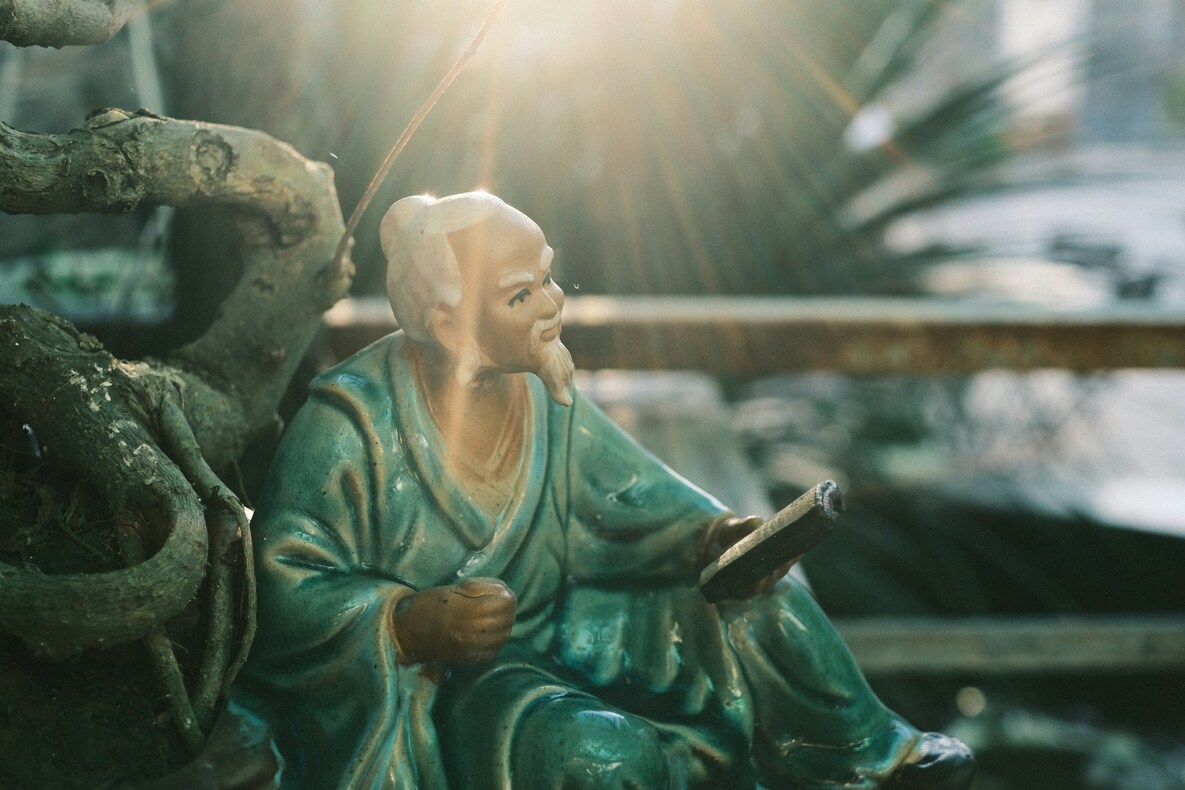
Here is where Browne’s work does something remarkable for a mind like mine shaped by Taoist and Stoic thinking. On the surface, his libertarian handbook and the Tao Te Ching would seem to have nothing to say to each other. But read Browne alongside Lao Tzu and Zhuangzi, and you will find the same essential wisdom arriving from opposite directions.
Taoism teaches wu wei, often translated as non-contention or effortless action. The sage does not batter against the current but finds the channel, the natural path of least resistance, and moves with it.
Here’s a polished version with improved flow, grammar, and rhythm while preserving your voice and the philosophical depth of the passage.
Browne says something remarkably similar when he counsels against political activism as the primary strategy for personal freedom. Do not spend your energy trying to reform the system, he argues. Reconfigure your life so the system has less influence over you. Design your work, your relationships, your home, and your financial arrangements to minimize the points at which coercive interference can reach you. To me, this is wu wei in a three-piece suit.
As an African American navigating our nation’s racial legacy, that counsel carries particular weight. History has given us every reason to invest our energy in challenging unjust systems, and that work matters. But Browne introduced me to a complementary path, the interior work of designing a life that does not require the system’s permission to be free. Both truths can exist at the same time. I can believe in the pursuit of justice while refusing to let that pursuit become the reason I postpone my own freedom indefinitely. One does not cancel the other. They are two hands of the same body.
And Zhuangzi, the great Taoist dismantler of social convention and moral pretense, would have recognized Browne’s identity trap immediately. Browne describes it as the belief that you must be who others expect you to be, that your reputation and social role are somehow more real than your authentic self.
Marcus Aurelius Would Approve
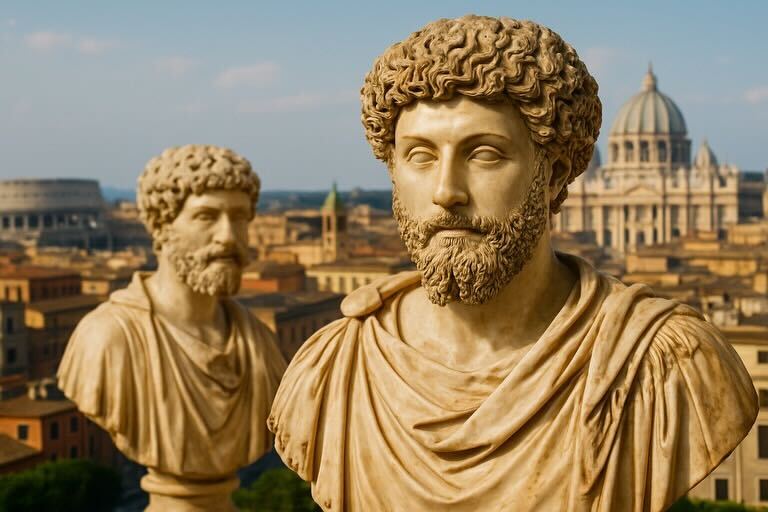
The Stoic resonance in Browne's work is equally striking. Marcus Aurelius opens the Meditations with a relentless inventory of what he can and cannot control, and instructs himself, again and again, to invest only in the former.
Browne's entire book is a practical extension of that same discipline. Stop trying to change others. Quit waiting for the political landscape to shift in your favor before you allow yourself to live freely. Cease treating your own happiness as a project that depends on the cooperation of people who have their own agendas. Rather, focus on what you can actually do, right now, with what you actually have.
Both the Stoic and Taoist traditions converge on an insight that Browne expresses in distinctly practical American terms. The locus of control belongs within you. In other words, the person who outsources their freedom to a political movement, government reform, a social revolution, or even the changed behavior of a difficult family member is likely to wait for freedom indefinitely. The person who asks what they can do today, within existing circumstances, to live more honestly and more fully has already begun the journey toward freedom.
Revealing Yourself as the Most Radical Act
One of the passages in Browne’s book that has stayed with me the longest concerns authenticity and human connection. He argues that the best way to find people who are genuinely compatible with you is to stop hiding who you are. Wear a socially acceptable mask, he says, and you will attract people who need you to keep wearing it. Show up as yourself, honestly and without apology, and you will naturally repel those who cannot meet you there while drawing closer those who can.
I have lived this. The Chocolate Taoist, the wandering urban sociologist, the independent speaker and writer who left a stable career to follow his own Tao. These are not performances. They are the result of taking Browne’s advice seriously over the course of decades.
I have formed some of the most meaningful relationships of my life with people who found their way into my orbit. No socially acceptable mask could have attracted those connections.
That takes courage, and Browne never pretends otherwise. He acknowledges the embarrassment, the self-consciousness, and the occasional ridicule that honest self-disclosure can invite. But he frames them as the price of admission to genuine connection and lasting freedom.
The Mission That Lives in These Pages
Here at the Advocates for Self-Government, we envision a world of self-governing people living in a condition of happiness, harmony, and prosperity. We believe that solutions to social challenges emerge from the creativity and cooperation of free people rather than the mandates of distant bureaucracies. Harry Browne's handbook is, chapter by chapter, a training manual for becoming exactly that kind of person.
He does not ask you to overthrow anything, join a movement, sign a petition, or wait for the right political moment. He asks you to do something far more demanding. Take an honest look at your own life. Identify the traps you have walked into. Name the boxes you are sitting in. Then make a clear-eyed decision about whether the price of staying exceeds the price of leaving.
To me, that is self-government in its most elemental form. It is personal responsibility, not as a slogan, but as a daily practice with genuine stakes.
What Freedom Actually Looks Like
I will close with this. Freedom, as Browne defines it, and as I have come to understand it through decades of journaling, traveling, reading, and reflection, is not the absence of all constraints. It is the conscious ownership of them. It is knowing which obligations you have freely chosen and which were handed to you without your consent, then making deliberate decisions about which you will honor and which you will respectfully set aside.
It is the difference between a life that happens to you and a life you are actively authoring. The Tao teaches that water does not fight the rock. It finds a way around it and, eventually, a way through. Browne teaches the same principle in the language of practical American individualism. The river does not petition the rock. It moves.
Browne was deeply concerned with one thing above all else, that every individual, regardless of circumstance, has more freedom available than they have yet claimed. That message is not the exclusive property of any one tradition, community, or political philosophy. It belongs to anyone willing to pick up his book and do the honest work it requires.
If you have not read it, I encourage you to do so. If you have read it and set it aside, consider picking it up again. Ask yourself where you are still sitting in boxes you did not choose and trapped by assumptions you have never examined. Reflect on what price you are paying to stay, and whether it is truly less than the price of leaving. Most importantly, examine what you would do today if you genuinely believed that no one and nothing had the power to stop you from living as you see fit.