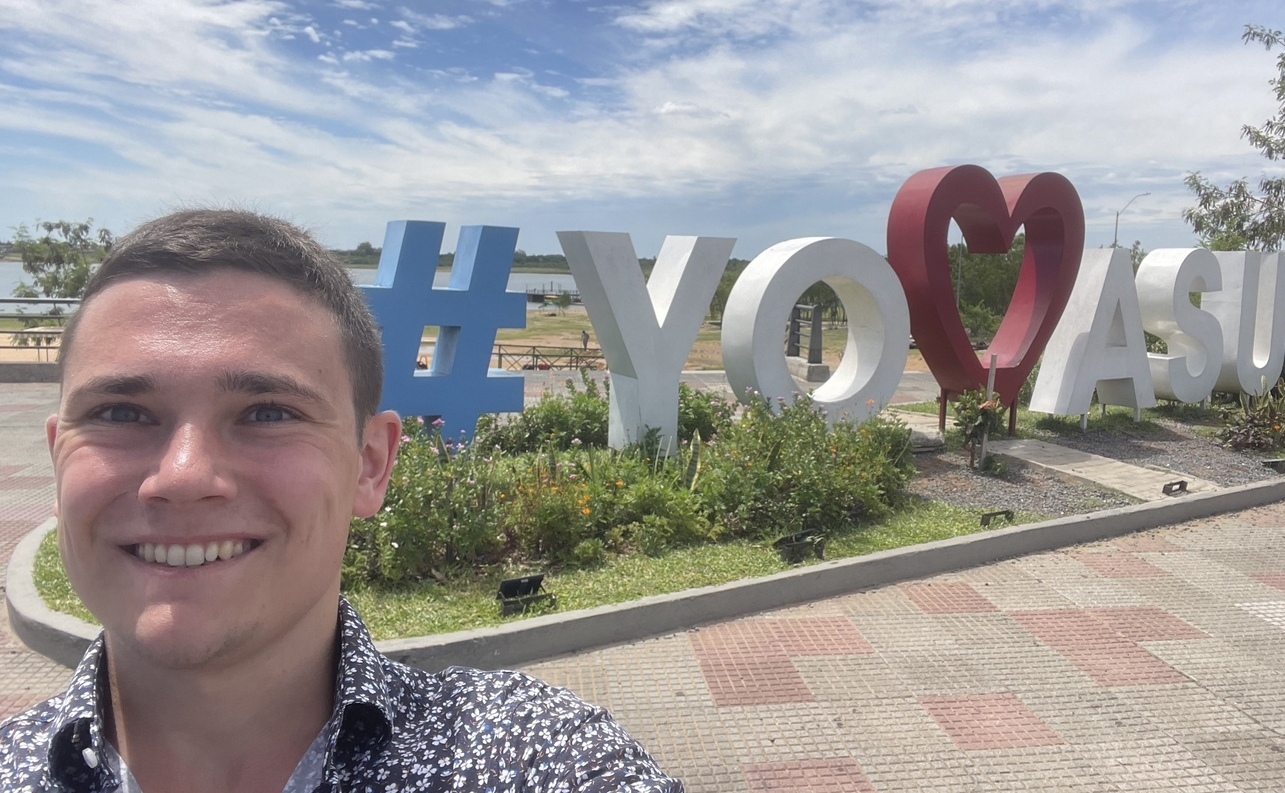
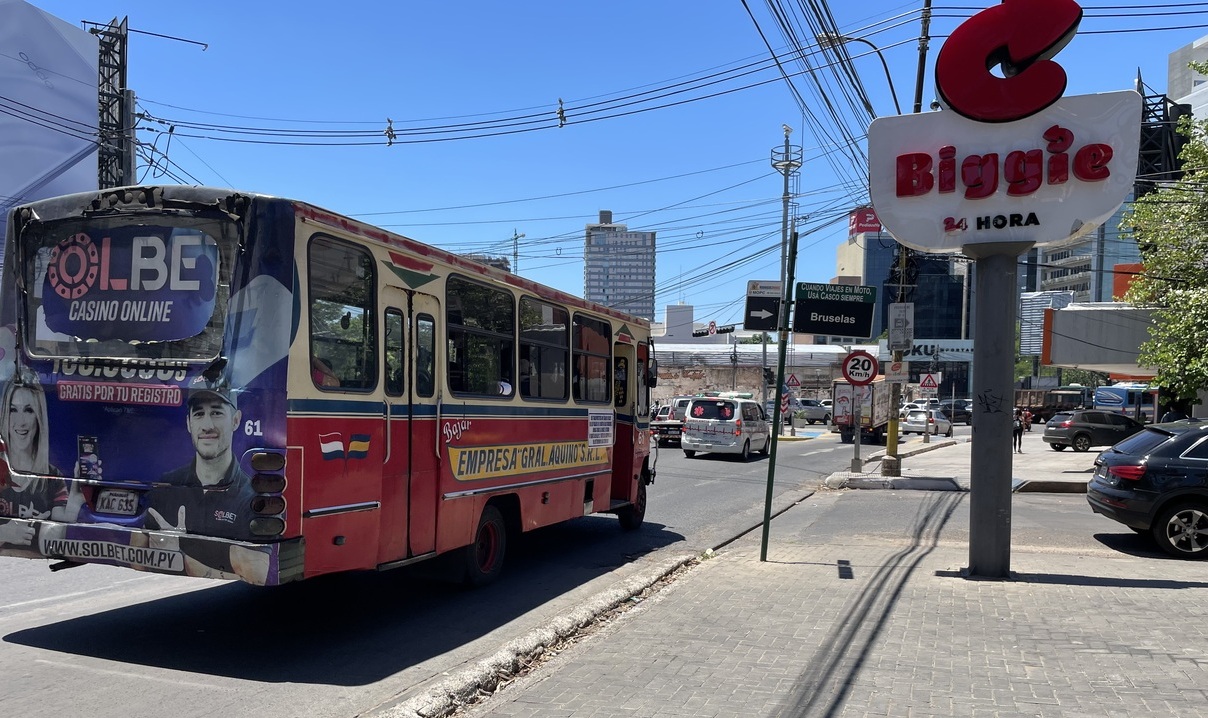
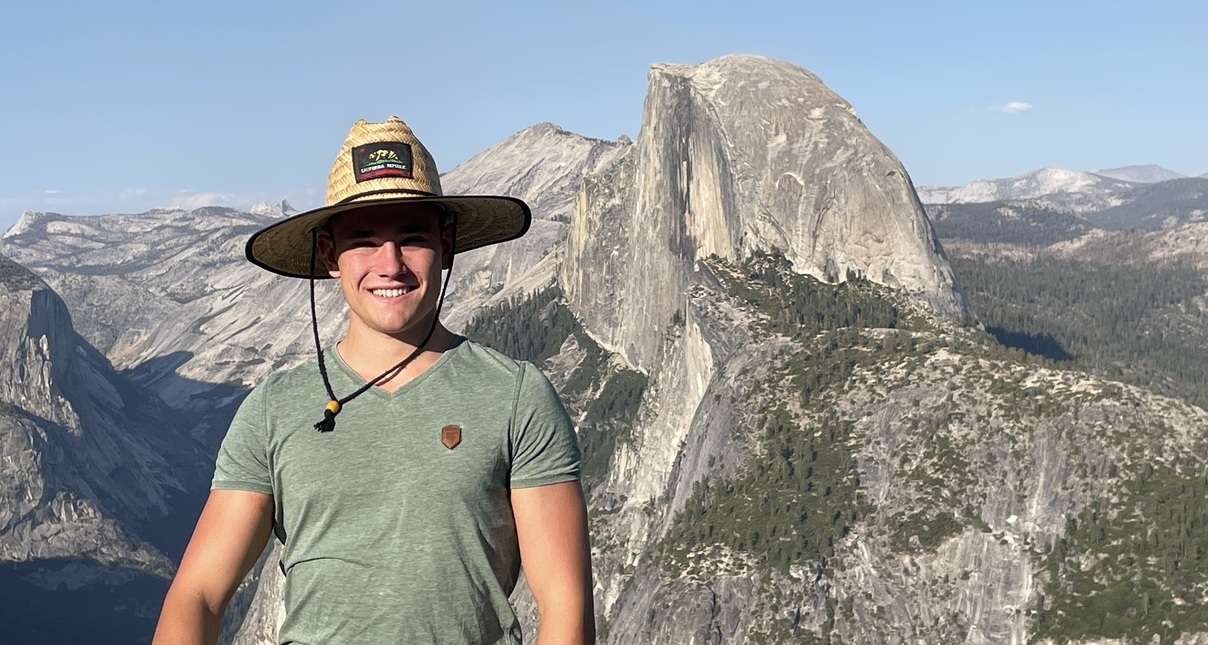
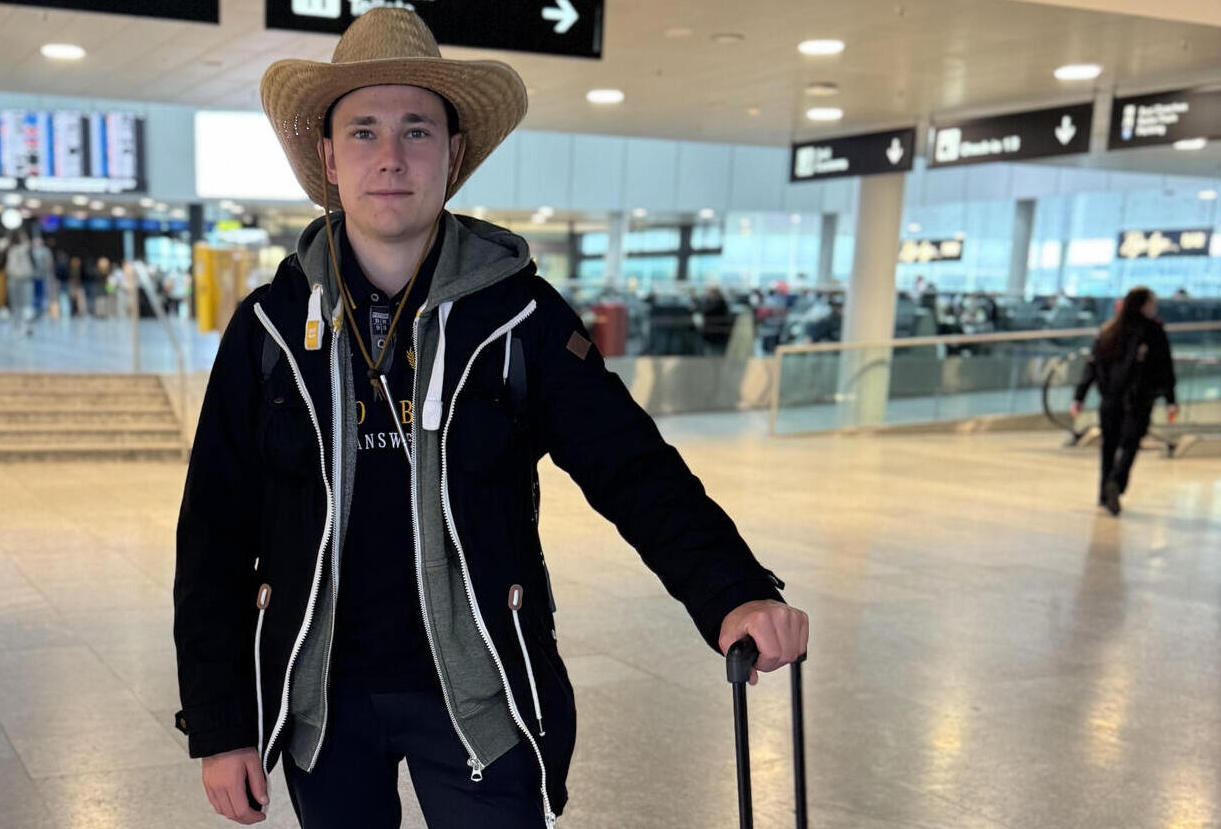
I moved from Germany to Paraguay in June 2025. Six months in, I was not sure I would stay. That surprised me. Staying had been the plan.
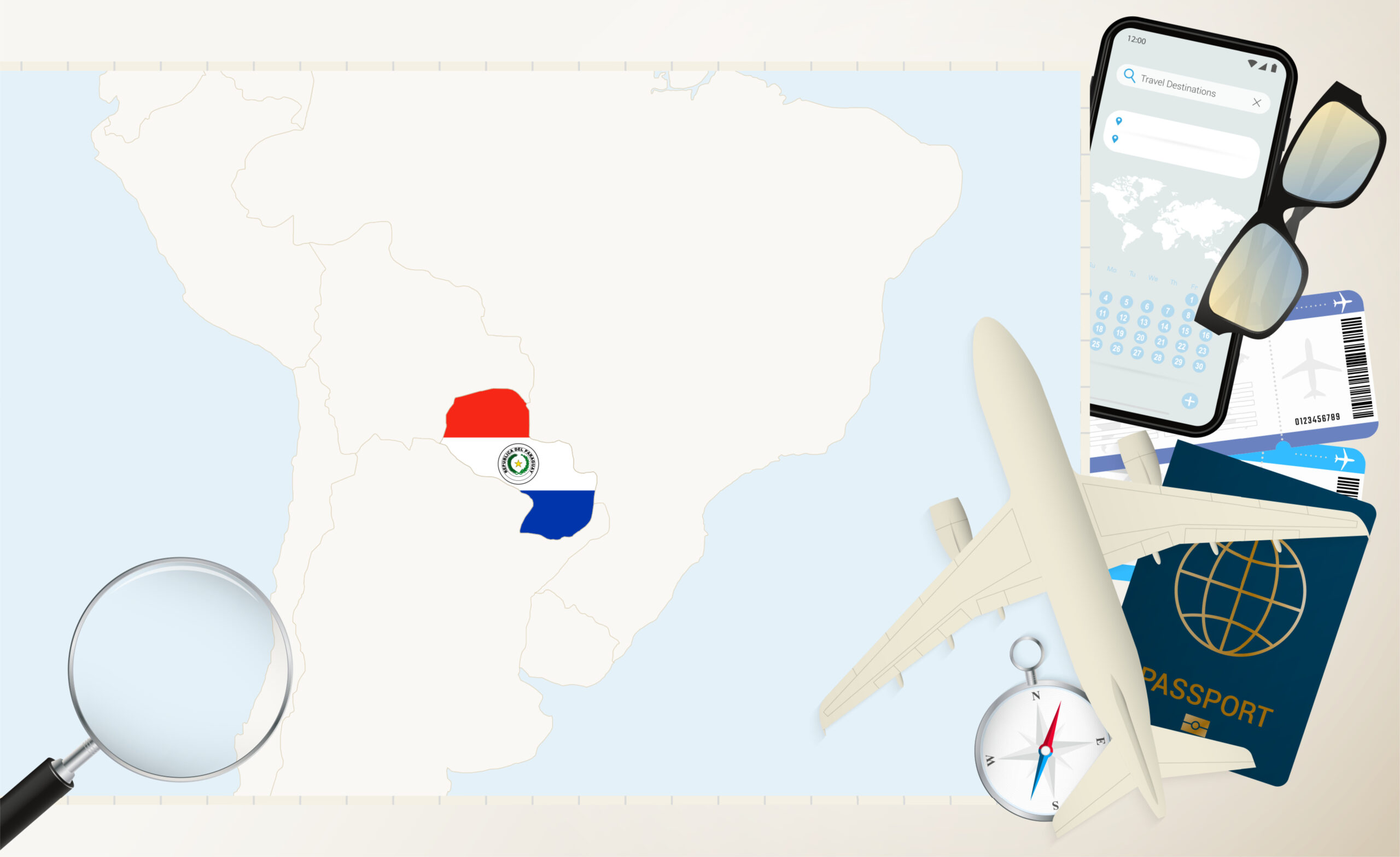
I left Germany searching for freedom. After the Covid years, a summer in America, and a long search, I found Paraguay and spent three weeks there before deciding to move.
This installment is about why I stayed after a difficult start.
Adjusting to Life in Paraguay
On one of my first dates here, the woman told me her parents were separated. “That must be hard,” I said. “No,” she said. “It’s the most normal thing.” I looked up the numbers and was shocked: In 2025, 83 percent of the babies registered in Paraguay were born out of wedlock.
Choque cultural—culture shock. In the United States, the figure is about 40 percent. I had grown up assuming that a family meant two married parents raising children together. I still value that model and want it for myself. But I had mistaken what was familiar to me for what was universal.
Respecting My Time
Making plans in Paraguay required another adjustment. I had heard that time is relative in Latin America, but I had assumed that meant everyone arrived fifteen to thirty minutes late. Here, “tomorrow at noon” can mean two years from now. My German idea of a plan simply isn’t workable here.
Paraguayans joke about it themselves. When a friend warned me she would be late to a party, I wrote back that we were in Paraguay, so it would start later anyway. Her answer came with three laughing emojis: “Ya conoces hora paraguaya”—you already know Paraguayan time.
I also had to learn how to read people’s words. A handyman in my building put up my curtain and scratched the wall. I hadn't even noticed, but he told me and promised to come back another day to paint over it. I was impressed.
We agreed on a Wednesday at 2:30. He did not come. I texted him, and more than three hours later, he answered: “Sorry. A little problem came up.” We agreed on the next morning at 10:00. He didn’t come or write. I was left waiting around. Later, he told me he had to drive a friend to a family burial.
Once again, we found an alternative date. That day, I checked in the morning to see if we were still on for 2:30. He wrote that he would be there. But he was not. After three tries, that was it for me.
A week later, out of the blue, he sent a voice message, but I was done. The gap between our approaches was too great. I suppose to him, it was only a slight delay—plans change. To me, it is very disrespectful when people waste my time. I stay home, I start nothing I cannot drop, and hours later, I learn that nobody is coming.
He was honest about the scratch, and people here generally are. They just do not always follow up on what they say.
Some might say, “See, we need regulation. Curtain installers have to be regulated.” But the market provides a voluntary solution: I will need some repairs done again. Where I would’ve called him, I will now call someone else—customer lost. I don’t need legislation to protect me.
It works the other way, too. On the day of my birthday barbecue, a storm came through. The caterer had been recommended to me. He was quick to offer to move everything to the next day. His asado, a traditional meal of grilled meats, was fabulous. I have recommended him ever since. In a free market, word of mouth rewards or punishes how you treat your customers.
What’s your political type?
Find out right now by taking The World’s Smallest Political Quiz.
Take the Political QuizRespecting My Hosts
Overall, Paraguayans are very warm when you first meet them. They are also more relaxed and, as far as I can tell, happier than most people I knew in Germany. In Gallup’s 2019 Global Emotions Report, Paraguay had the highest score in the world for positive daily experiences.
If you move here, you get a warm welcome. Locals generally like foreigners. In my view, it is every immigrant’s duty to show the locals respect. That should go without saying.
Part of that respect is learning the language, even if it is not easy because of the local dialect. After a year and a half, I still cannot understand some people, even after asking three times. But I keep learning.
Some expats here don’t seem to think the same way. Most are good people, but I did grow a little disillusioned with some: They complain about immigrants in Europe, yet when they are the immigrants, they don’t integrate themselves.
As immigrants, it is on us to integrate and step out of the expat bubble. That does not mean speaking Paraguayan Spanish perfectly. It means learning the basics of the language and getting in contact with locals.
When I Questioned My Move to Paraguay
The end of 2025 was my low point. I had moved here hoping for a wife, a family, and a quiet life with the people who love me most. I already had the quiet part. In Germany, I had never been on a single date. Here, I had finally started going on them, and I was searching intensely.
In the Paraguayan spring, I thought I had found a girlfriend. It broke my heart a little when it came to nothing.
For a while, it seemed that people everywhere were flakes, and that I had crossed an ocean to find that out. I asked myself whether to move on to yet another country. I did what I had done in Germany: I sat down at my desk and asked myself how the months had felt, and what I wanted my life to look like.
I had experienced the negative side of freedom: I had gone looking for a place to make my own mistakes, a place where I could evolve and build my own life. Now, I had made some mistakes. Nobody had sent me here, nobody was keeping me here, and there was nobody to blame.
Making Friends
Over the next half year, things improved. I got along better with people, and I “found my place,” as they say. It took a while, but eventually I met people with a similar approach to life and keeping their word. Dancing helped. I had signed up for classes.
There, I made a good connection with a local woman. Two months later, on Christmas Eve, I introduced her to another expat. In February, the three of us went to the carnival in Villarrica. I was never an emotional guy, but seeing them become a couple after I introduced them was a heartwarming experience.
Over the years, I had learned to be slow to call someone a friend. Often, when you need a hand from a “friend,” they are nowhere to be found. But those two are different. When I moved this June, the two of them helped me carry my furniture to the new apartment. These are the kinds of people I was looking for—real friends.
What My First Year in Paraguay Taught Me
The year changed me.
At some point, I started asking how late I should come when someone made a plan. On a trip to Germany, I texted a friend I was meeting for breakfast: “I learned in Paraguay to double-check with people the day before. I don’t think that’s necessary here, but just to be safe: Are we still on for tomorrow?” “Yes,” he answered with a laughing emoji. He had booked the table days before.
Germany had taught me to expect that people will do what they say. I still remember my teacher in third and fourth grade saying: “I mean what I say, and I say what I mean.” Paraguay taught me that this is not a law of nature.
But while I generally like such orderliness, it also clearly has a dark side. That was a hard lesson I learned during Covid, when neighbors reported neighbors for breaking the rules. I would much rather have to send an extra text to confirm plans than ever deal with something like that again.
For me, three habits are important for self-government.
You keep your own word, whether or not anyone checks.
You choose whom you rely on by what they do, not by what they say.
You judge people one at a time.
I still love it here. I want to stay. Permanent residency is my next step, and maybe, one day, citizenship.
None of this depends on where you live. Start with your own word. Everyone has a scratched wall somewhere: the call you promised, the favor you said you would do. Go paint it—on the day you said. Then look at the people you rely on, and ask who actually showed up. And never judge people solely by the group they belong to.
Freedom did not make my life easier. It made it mine.
What I am building here, and whether the move was worth it, is for the final installment.