





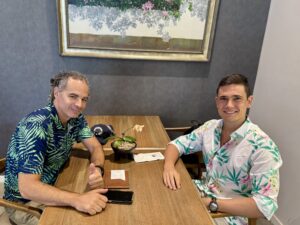







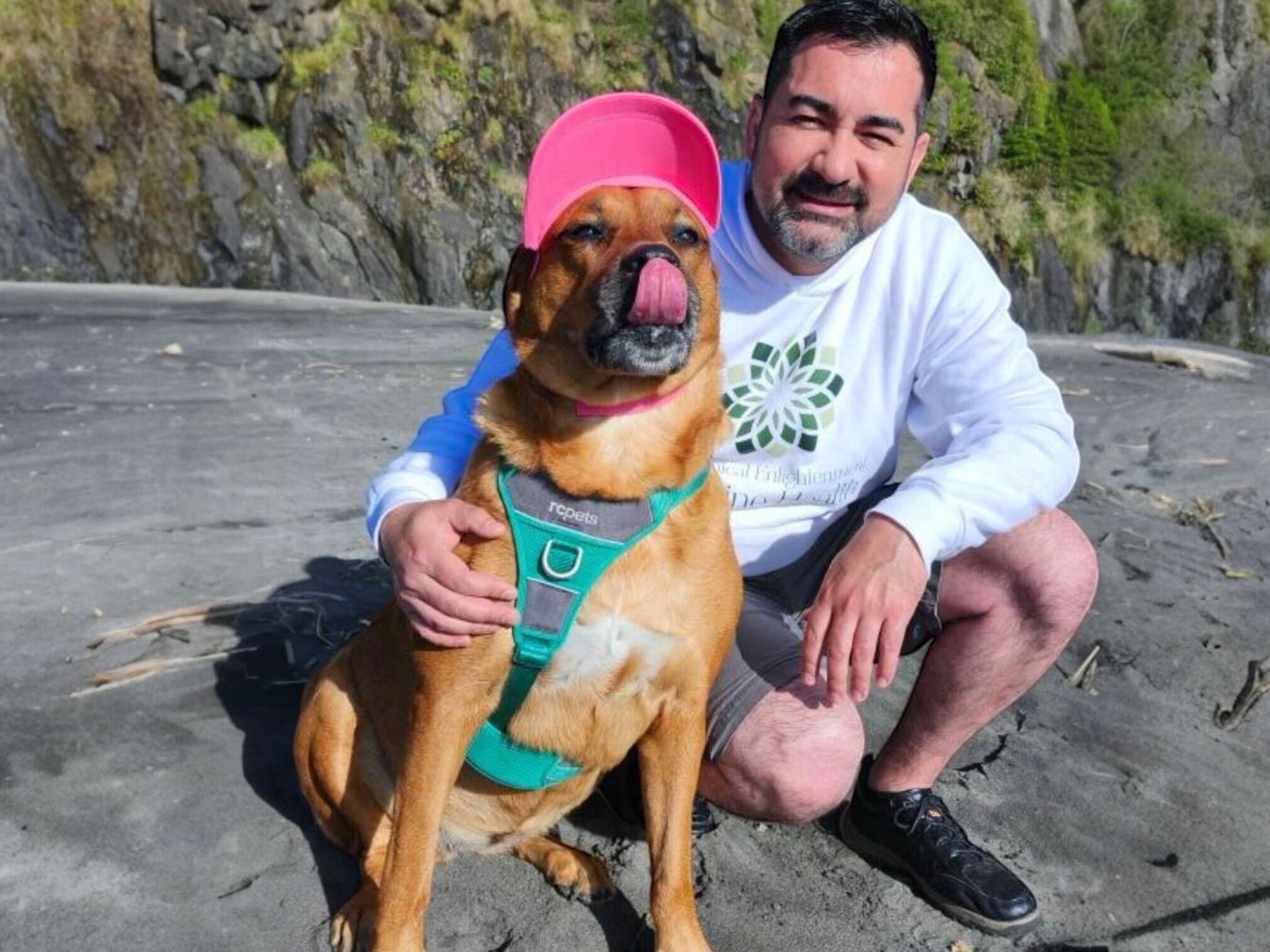
In these episodes of Food is Freedom, I host Michael Pickens, the CEO of Botanical Enlightenment, a holistic supplement company offering natural alternatives for people and dogs fighting cancer.
Michael is also the author of the upcoming book The Liberated Mind, a guide to freeing ourselves from limiting beliefs in every area of life.
During our two-part conversation, we explore natural versus modern medicine, CBD and THC’s therapeutic uses, and the healing potential of pumpkins, mushrooms, roses, nettle, and butterfly pea.
We dive deeper into how natural medicine places freedom over fear, uplifts mental health, and reshapes mindset, while exploring what inspired Michael to pursue entrepreneurship in wellness. I will also share my thoughts about the efficacy of herbal healing teas.
Here are some of the interview highlights from our chats on Free the People:
Sienna: What would you say is your origin story?
Michael: I lost both of my grandmothers on the same day to cancer when I was 15 and 16. That was a tragic and formative experience that motivated me to explore healing in a deeper way. It ultimately led me to plant medicine, botanical remedies, and founding Botanical Enlightenment.
Sienna: At what point did you become aware that chemotherapy and radiation were as negatively impactful, or more, than the cancer itself?
Michael: Both of my grandmas went through chemotherapy and radiation, which they died from. Only after witnessing the treatments did I start noticing how medical interventions could shape outcomes. That early awareness sparked my curiosity about alternative approaches and the intersection of natural healing with modern medicine.
Sienna: Unfortunately, I lost my dad to stage-four cancer last year. He lived almost exactly the five years he was given, mostly using modern medicine. Some clients and patients, it seems, out of fear or preference, follow modern routes, while others explore a combination. I agree that the intersection is about choice — letting people weigh natural remedies versus conventional treatments.
Sienna: What preventative methods or dietary approaches do you recommend for maintaining good health?
Michael: I encourage people to incorporate herbs and foods with known health benefits, such as turmeric, ashwagandha, and adaptogens. The focus is on proactive wellness rather than waiting to react when illness occurs.
Sienna: Also, herbs like nettle and flowers like roses have both aesthetic and healing properties. Growing your own food and herbs encourages mindfulness and preventative care. It’s about tuning into what your body and the land provide naturally, rather than reacting only when illness occurs. Individuals can organically discover solutions from the land. Actually, a good example of this is companion planting pairs that naturally support each other. Meanwhile, some plants have preventative and healing properties, like butterfly pea, a vibrant blue flower that makes tea. I think it’s not about convincing someone ideologically, but rather about providing access and letting nature guide discovery.
Sienna: How do you frame death and illness for your clients?
Michael: I help clients see illness and death as natural cycles. Death can be viewed as a transition rather than a final endpoint, which allows people to focus on quality of life, healing, and aligned choices rather than fear.
Sienna: I agree and consider death a “transition from the material to the spiritual,” rather than just “dying.” Seeing life this way helps people focus on healing, beauty, and well-being, rather than fear or finality.
Sienna: Beauty heals. Flowers like butterfly pea or roses aren’t just decorative — they have properties that support wellness. Presenting them beautifully, like in a small garden, enhances the healing process in my opinion.
Michael: Yes, and there’s intuitive power in beauty. A vibrant flower or well-presented tea engages the senses, elevates mood, and creates space for mindful healing. It’s part of the therapeutic experience, not just the biochemical effects of the herbs themselves.
Sienna: You’ve mentioned the phrase “do it anyway.” How does that guide client behavior?
Michael: It’s about overcoming limiting beliefs. Clients may want to build healthy habits but face mental or emotional resistance. “Do it anyway” encourages them to act despite fear or inertia — whether it’s trying a new remedy, engaging with nature, or simply enjoying a moment of pleasure like ice cream.
What’s your political type?
Find out right now by taking The World’s Smallest Political Quiz.
Practical Steps to Enrich Your Health, Naturally
- Grow your own herbs and vegetables to connect with natural healing.
- Explore plant medicine for prevention and wellness, not just illness treatment.
- Pay attention to your body and experiment with remedies that suit you.
- Incorporate beauty and aesthetics into daily life — flowers, vibrant teas, humbly sized gardens.
- Overcome limiting beliefs and act even when hesitant; small steps matter.
- Combine natural remedies with mindfulness and conscious media consumption.
- View illness and death as natural transitions; focus on quality of life and agency.
- Let personal intuition and experimentation guide your wellness journey.
Catch the Full Conversation & Series
Listen to the full episodes of Food is Freedom, where we dive even deeper into mindset, freedom-based healing, and holistic wellness strategies:
How Plant Medicine Is Helping Humans & Dogs Heal from Cancer | Michael Pickens | Ep 6
Courage Over Fear: The Mindset Behind Botanical Enlightenment | Michael Pickens | Ep 7
Food and Natural Remedies as Medicine
With the global push toward highly processed, corporatized foods and the demonization of local farms, grass-fed beef, and localized systems, we desperately need to uplift our health and our happiness from the grassroots.
In this series, we explore food as medicine and natural remedies free from Big Pharma, and find advice for novice growers, permaculture practices that nourish natural beauty, experiential learning activities, and ways to accomplish the divine art of homesteading.
Check out the short trailer here.
Sienna Mae Heath is a gardening consultant, companion gardener, local tea vendor, writer, and artist. She is the host of the Food is Freedom and Real Unity podcasts on Free the People, where she explores agriculture, food as medicine, natural remedies, and human connection.