

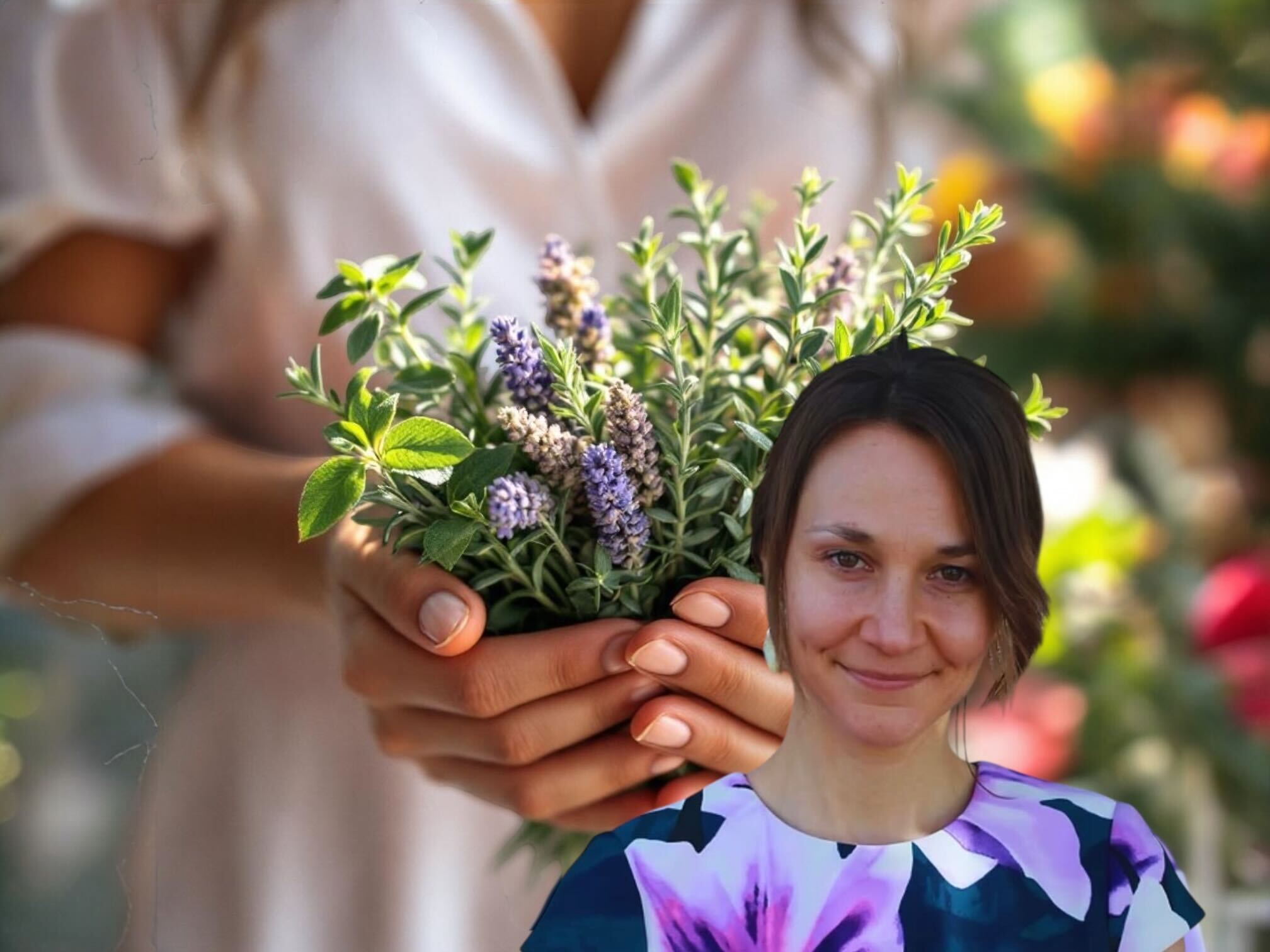
Rachel Illari is a menstrual cycle mentor, ceremonial guide, and host of the Womb Song Wellness podcast. A mother of three and advocate for sacred postpartum care, she brings deep insight from her work with the Healthy Families Program and her ongoing support of women’s wellness during this preview of our full interview on Free the People’s Food is Freedom.
? Defining Women’s Wellness
Q: Rachel, how do you personally define wellness when it comes to women’s health? A: “It\s really about cultivating inner attunement by tuning into what\s happening in my emotional world and in my womb, and continually re-centering back to my needs, because they change constantly. Even little sprinkles of attention each day can honor ourselves as the sacred beings we are. Only women have that capacity to have a womb, to hold, create, build, knit together a person, and bring that person into the world. The experience of being pregnant, birthing, and raising a child is so sacred, so special, and powerful beyond words. It’s a constant process of creating, releasing, and rebirthing. Living in that rhythm, the more I tune into it and let it guide me, I find a lot more joy and flow.”? On Ceremony and Witnessing
Q: Why do you feel it’s so powerful for women to be witnessed during sacred transitions? A: "Being witnessed is medicine. It’s about feeling seen and supported for our bodies, cycles, and transformations carry cellular memory. Ceremony helps integrate experiences, honor thresholds, and cultivate resilience. Marking life passages like pregnancy, postpartum, miscarriage, and menopause instead of letting them pass unnoticed is deeply healing."? Living Ceremonially Every Day
Q: You talk about living with your cycle as a ceremony, not just during the “big” moments. What does “living ceremonially” look like for you in your daily life? A: "It can be simple: oiling my body, drinking tea with intention, slowing down around menstruation, tuning into moon phases. Small, sacred acts keep me connected to myself and the Earth. Even mundane moments like tending a garden, crafting herbal blends, enjoying tea with my kids become ritualized, grounding, and celebratory. Women are as wild as the Earth, and honoring that wildness in everyday life is part of the practice."Simple Herbal Remedies for Home Use
- Use nettle infusions (steep dried nettles in water overnight, drink in the morning) for nourishment and blood-building.
- Add lemon balm or mint for flavor and subtle energetic balance.
- Make herbal-infused oils for skin, hair, or body care.
- Customize Yoni steams with herbs for specific needs (cramps, long cycles, dryness).
Creating Your Own Herbal Blends or Oils
- Choose herbs based on what you want to support (skin, hair, relaxation).
- Start with 1 to 3 herbs to keep it simple.
- Use oils like avocado, apricot, or almond.
- Let the mixture rest for several weeks before use.
- Seek local herb shops or workshops for guidance if you need help sourcing or combining herbs.
Listen to the full podcast
Catch Rooted in Ritual: Herbal Healing for the Womb | Rachel Illari | Ep 5 on Free the People’s Food is Freedom, where we dive deeper into the healing power of nature, the beauty of cyclical living, and the role of nourishment in women’s health. Rachel shares practical tools for herbal self-care, including custom tea blends, yoni steams, womb oils, and warming pastes made with herbs like St. John’s wort, orange peel, and ginger. She offers guidance for both women and men to reconnect with their bodies and reclaim sovereignty through ritual and care. With the global push toward highly processed, corporatized foods and the demonization of local farms, grass-fed beef, and localized systems, we desperately need to uplift our health and our happiness from the grassroots. In this series, we explore food as medicine and natural remedies free from Big Pharma, and find advice for novice growers, permaculture practices that nourish natural beauty, experiential learning activities, and ways to accomplish the divine art of homesteading. Check out the short trailer here.Sienna Mae Heath is a gardening consultant, companion gardener, local tea vendor, writer, and artist. She is the host of the Food is Freedom and Real Unity podcasts on Free the People, where she explores agriculture, food as medicine, natural remedies, and human connection.